
 admin
admin 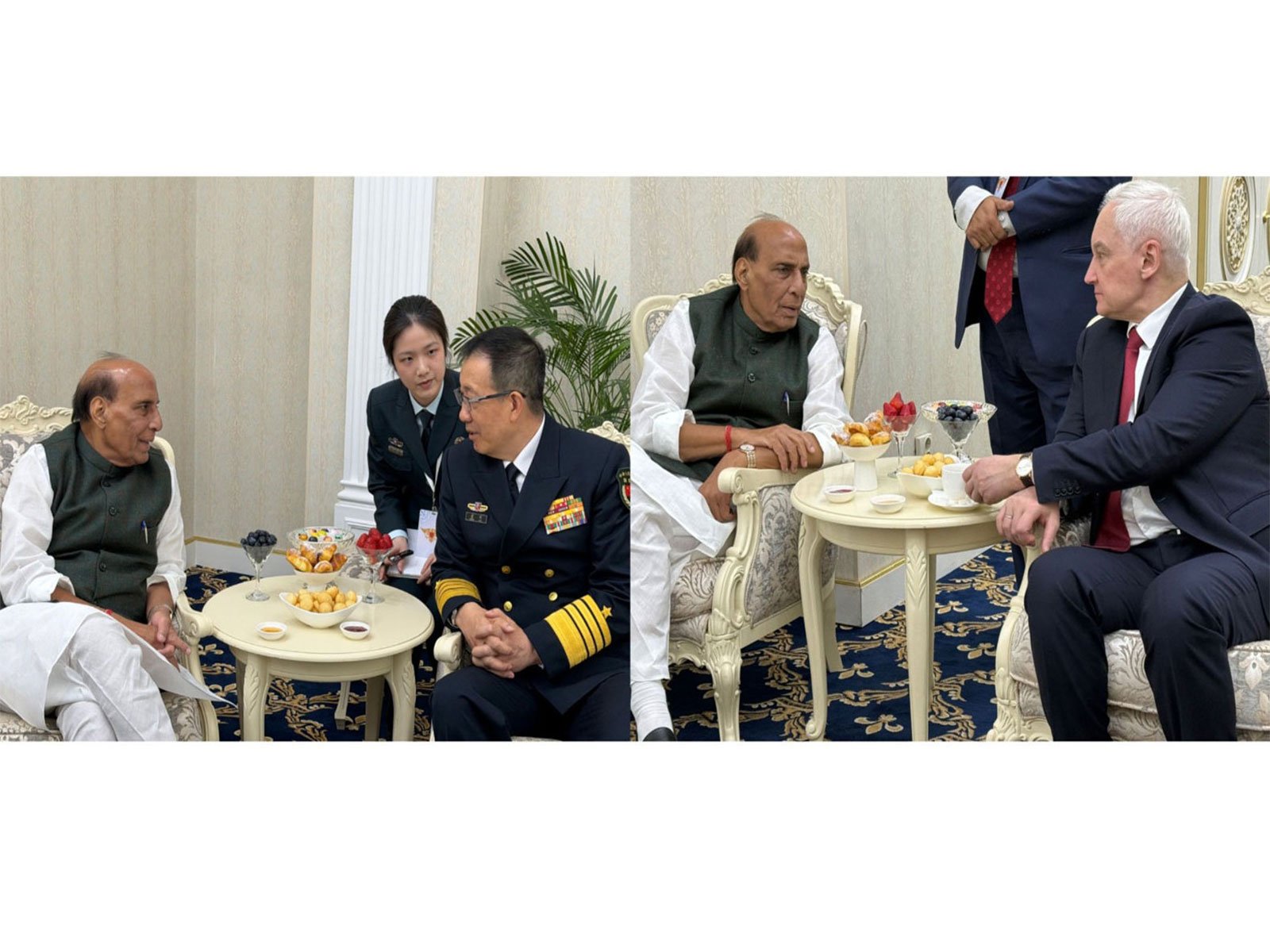
Bishkek, Kyrgyzstan | April 28, 2026
Rajnath Singh SCO Meet Bishkek Gains Global Attention
The Rajnath Singh SCO Meet Bishkek has emerged as a crucial diplomatic moment, as India’s Defence Minister Rajnath Singh held high-level discussions with his Chinese and Russian counterparts during the Shanghai Cooperation Organisation (SCO) Defence Ministers’ meeting in Bishkek.
At a time when global tensions remain high, the Rajnath Singh SCO Meet Bishkek reflects India’s growing role in shaping regional stability, strengthening defence ties, and promoting peace across Asia and beyond.

Strategic Context Behind Rajnath Singh SCO Meet Bishkek
The Rajnath Singh SCO Meet Bishkek comes amid multiple global challenges, including instability in West Asia, rising geopolitical tensions, and evolving security threats.
The SCO, which includes major powers like China and Russia, serves as a platform for dialogue on:
- Counter-terrorism
- Regional security
- Defence cooperation
- Economic coordination
Through the Rajnath Singh SCO Meet Bishkek, India reaffirmed its commitment to maintaining peace while protecting its strategic interests.
Key Meeting with China: Focus on Stability
One of the most closely watched developments during the Rajnath Singh SCO Meet Bishkek was his meeting with Chinese Defence Minister Admiral Dong Jun.
India and China share a complex relationship, particularly along their border regions. Therefore, such interactions are critical.
During the Rajnath Singh SCO Meet Bishkek, both sides:
- Discussed regional security
- Explored ways to maintain stability
- Emphasized dialogue over conflict
The meeting signaled a cautious but important step toward managing differences.
Engagement with Russia: Strengthening Long-Term Partnership
Another significant highlight of the Rajnath Singh SCO Meet Bishkek was Singh’s interaction with Russian Defence Minister Andrei Belousov.
India and Russia have historically shared strong defence ties. This meeting further reinforced:
- Strategic cooperation
- Military collaboration
- Shared geopolitical interests
The Rajnath Singh SCO Meet Bishkek thus served as a platform to deepen one of India’s most trusted global partnerships.
Tribute at Victory Square: A Symbolic Beginning
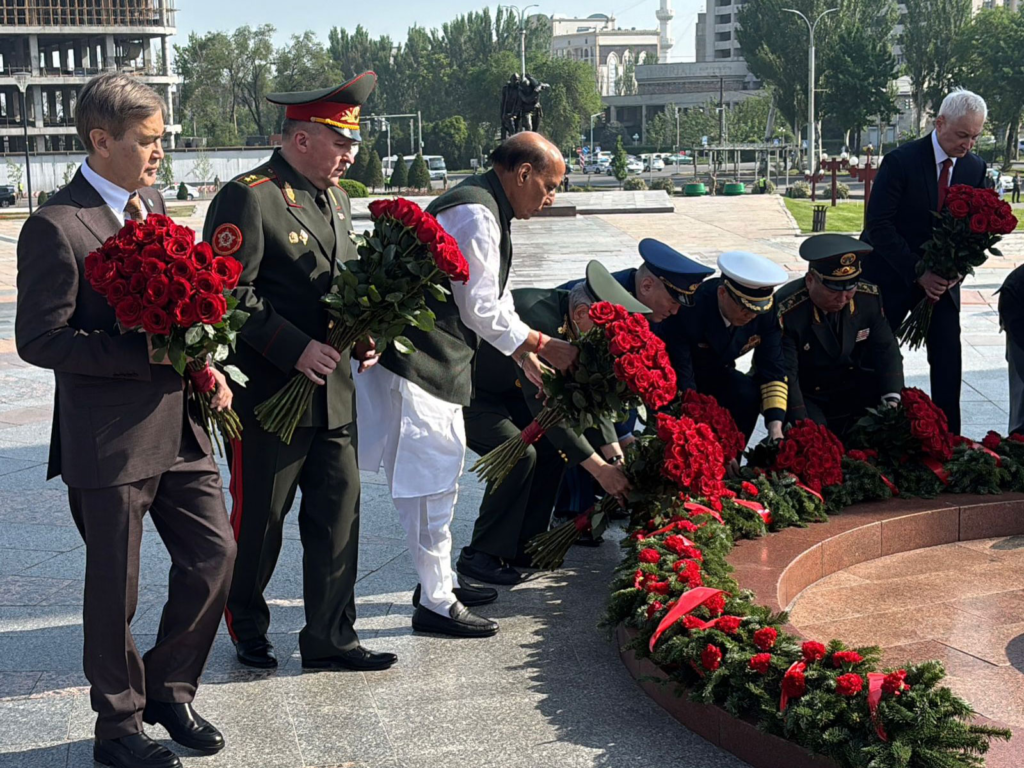
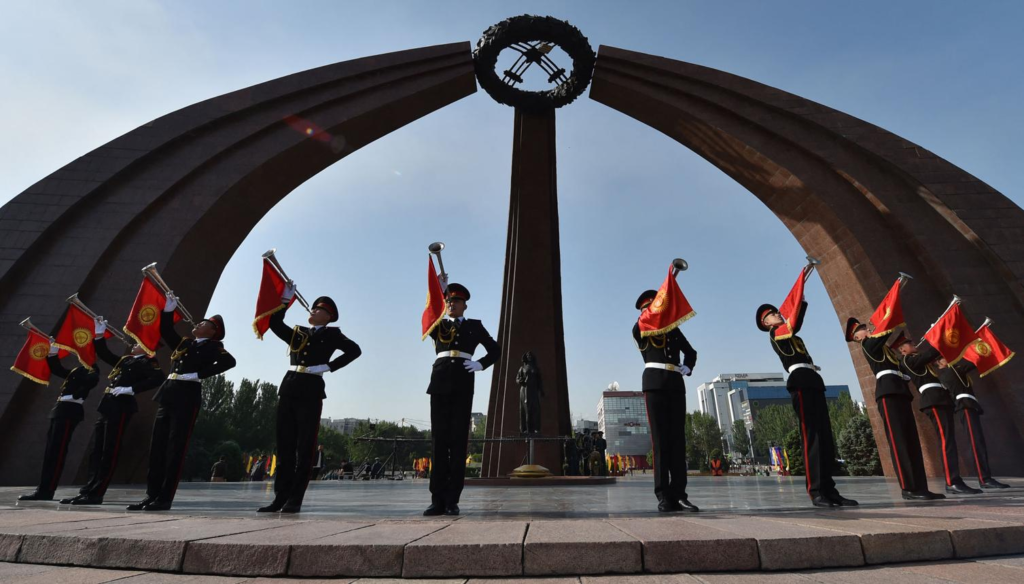
Before beginning formal discussions, Rajnath Singh paid tribute at Victory Square in Bishkek.
This moment added emotional depth to the Rajnath Singh SCO Meet Bishkek, reminding participants of the sacrifices made for peace and stability.
Such gestures often set the tone for diplomatic engagements, emphasizing respect, history, and shared values.
Focus on West Asia Crisis
The ongoing conflict in West Asia formed a key backdrop for the Rajnath Singh SCO Meet Bishkek.
Leaders discussed:
- Regional instability
- Impact on global security
- Need for coordinated responses
India used the Rajnath Singh SCO Meet Bishkek to highlight its consistent stance on peaceful resolution and dialogue.
India’s Stand: Zero Tolerance for Terrorism
Ahead of the summit, Rajnath Singh clearly stated India’s position on terrorism.
At the Rajnath Singh SCO Meet Bishkek, he emphasized:
- Zero tolerance for terrorism
- Need for global cooperation
- Strong action against extremism
This message aligns with India’s long-standing policy and was a key talking point during discussions.
Role of SCO in Global Politics
The Shanghai Cooperation Organisation has grown into one of the world’s most influential regional blocs.
The Rajnath Singh SCO Meet Bishkek highlighted SCO’s importance in:
- Maintaining regional stability
- Facilitating dialogue among major powers
- Addressing global challenges
With members like India, China, Russia, and Iran, the SCO represents a significant portion of the global population and economy.
India’s Expanding Role in SCO
Since becoming a full member in 2017, India has steadily increased its influence within the SCO.
The Rajnath Singh SCO Meet Bishkek demonstrated India’s active participation in:
- Strategic discussions
- Policy shaping
- Regional cooperation
India’s leadership during its 2023 chairmanship further strengthened its position within the organization.
Defence Cooperation and Military Engagements
A major focus of the Rajnath Singh SCO Meet Bishkek was enhancing defence cooperation.
Key areas discussed included:
- Joint military exercises
- Intelligence sharing
- Counter-terrorism operations
Such initiatives aim to improve coordination among member nations.
Geopolitical Significance of Bishkek Meeting
Hosting the summit in Bishkek underscores Central Asia’s growing importance.
The Rajnath Singh SCO Meet Bishkek reflects:
- Strategic positioning of Kyrgyzstan
- Importance of regional alliances
- Need for collaborative security frameworks
Cultural Diplomacy: A Warm Welcome
Upon arrival, Rajnath Singh received a traditional Kyrgyz welcome, including the offering of Borsok.
While symbolic, such gestures play a role in strengthening diplomatic ties.
The Rajnath Singh SCO Meet Bishkek thus blended formal diplomacy with cultural exchange.
Bilateral Meetings Beyond China and Russia
Apart from China and Russia, Rajnath Singh is expected to meet other defence leaders.
The Rajnath Singh SCO Meet Bishkek provides opportunities to:
- Build new partnerships
- Strengthen existing ties
- Discuss mutual security concerns
Impact on Regional Security
The outcomes of the Rajnath Singh SCO Meet Bishkek could influence:
- Indo-Pacific stability
- Counter-terrorism strategies
- Defence collaborations
India’s role is particularly crucial given its strategic location and capabilities.
Technology and Modern Warfare
Modern defence strategies increasingly rely on technology.
The Rajnath Singh SCO Meet Bishkek discussions also touched upon:
- Cyber security
- Advanced defence systems
- Intelligence capabilities
Future of India-China Relations
The meeting between India and China during the Rajnath Singh SCO Meet Bishkek could shape future interactions.
While challenges remain, continued dialogue is essential.
India-Russia Strategic Continuity
The Rajnath Singh SCO Meet Bishkek reaffirmed India-Russia ties.
Despite changing global dynamics, this partnership remains strong.
Rajnath Singh SCO Meet Bishkek Signals Strategic Leadership
The Rajnath Singh SCO Meet Bishkek stands as a significant moment in global diplomacy.
It highlights:
- India’s commitment to peace
- Strengthening of global partnerships
- Focus on security and stability
As the world navigates complex challenges, such engagements play a vital role in shaping the future.
Rajnath Singh Pays Tribute at Victory Square in Bishkek, Begins Key SCO Defence Talks
A Solemn Start to a Strategic Visit
India’s Defence Minister Rajnath Singh began his official engagements in Bishkek with a deeply symbolic gesture—paying tribute to fallen heroes at Victory Square.
The wreath-laying ceremony marked not just the start of his visit, but also set a tone of respect, remembrance, and responsibility as India stepped into crucial defence discussions at the Shanghai Cooperation Organisation (SCO) summit.
Standing before the memorial, Rajnath Singh observed a moment of silence, honouring soldiers who sacrificed their lives in the line of duty. The gesture resonated beyond diplomacy—it reflected a shared global understanding that peace often comes at a cost.
Why Victory Square Matters
Victory Square in Bishkek is not just a landmark—it is a place of collective memory. Built to commemorate soldiers who fought in World War II, it stands as a reminder of courage and sacrifice.
By beginning the visit here, Rajnath Singh highlighted a universal message:
nations may differ, but respect for those who defend them remains the same.
This moment added emotional depth to what is otherwise a high-level geopolitical visit.
SCO Summit: Focus on Security and Stability
Following the tribute, attention shifted to the main agenda—the SCO Defence Ministers’ meeting.
The Shanghai Cooperation Organisation, which includes countries like India, China, Russia, and others, has become one of the most significant regional blocs in global politics.
This year’s meeting comes at a time when global tensions are high, especially due to the ongoing crisis in West Asia. Defence leaders are expected to discuss:
- Regional security challenges
- Counter-terrorism strategies
- Strengthening defence cooperation
- Ensuring stability across member nations
India’s participation in these discussions reflects its growing influence on the global stage.
India’s Clear Message: Zero Tolerance for Terrorism
Before leaving New Delhi, Rajnath Singh made India’s position clear.
He emphasized the country’s unwavering stance on zero tolerance towards terrorism and extremism. This message is expected to be one of the key highlights of India’s participation in the SCO discussions.
At a time when cross-border threats and extremist activities continue to challenge global peace, India is pushing for stronger cooperation among nations to tackle these issues collectively.
A Warm Kyrgyz Welcome
Upon his arrival in Bishkek, Rajnath Singh was welcomed with traditional Kyrgyz hospitality, including the offering of Borsok, a popular local delicacy.
Such gestures, though symbolic, play an important role in diplomacy. They reflect mutual respect and help build stronger people-to-people connections between nations.
Bilateral Meetings on the Sidelines
Apart from the main summit, Rajnath Singh is also expected to hold several bilateral meetings with defence ministers from participating countries.
These interactions are crucial as they allow countries to:
- Address specific security concerns
- Strengthen defence partnerships
- Explore new areas of cooperation
India’s engagements during the summit are likely to further deepen its ties with key global and regional players.
India’s Growing Role in SCO
Since becoming a full member of the SCO in 2017, India has steadily expanded its role within the organisation.
Its leadership during the 2023 chairmanship helped shape key discussions around security, connectivity, and economic cooperation.
Today, India is seen as a stabilizing force within the SCO, advocating dialogue, cooperation, and peaceful resolution of conflicts.
SCO: A Powerful Regional Bloc
Founded in 2001, the SCO has evolved into a major political, economic, and security alliance.
Its members include:
- India
- China
- Russia
- Pakistan
- Kazakhstan
- Kyrgyzstan
- Tajikistan
- Uzbekistan
- Iran
- Belarus
Together, these countries represent a significant portion of the world’s population and economic activity.
The inclusion of Iran as a full member has further strengthened the organisation’s strategic importance.
Global Context: Why This Meeting Matters
The timing of this summit is critical.
With ongoing conflicts, shifting alliances, and emerging security threats, platforms like the SCO are essential for dialogue and coordination.
India’s participation, led by Rajnath Singh, underscores its commitment to:
- Promoting peace
- Strengthening global partnerships
- Addressing shared challenges
A Blend of Respect and Strategy
Rajnath Singh’s visit to Bishkek is a blend of symbolism and strategy.
The tribute at Victory Square reflects respect for history and sacrifice, while the SCO meeting represents forward-looking diplomacy aimed at shaping the future.
Together, these elements highlight India’s approach—grounded in values, yet focused on progress.
Setting the Tone for Meaningful Engagement
The wreath-laying ceremony at Victory Square was more than just a formal ritual. It was a reminder of the cost of conflict and the importance of peace.
As Rajnath Singh moves forward with discussions at the SCO summit, India carries with it a clear message—
cooperation over conflict, dialogue over division, and peace over instability.
This visit not only strengthens India’s global presence but also reinforces its role as a responsible and proactive player in international security.
A Quiet Moment Before High-Level Diplomacy
When Rajnath Singh reached Bishkek for the Shanghai Cooperation Organisation (SCO) Defence Ministers’ meeting, his first public act wasn’t a meeting or a speech. It was silence.
At Victory Square, he laid a wreath for fallen soldiers—no long statements, no cameras chasing reactions, just a pause. It felt less like a diplomatic formality and more like a reminder of what defence discussions are really about.
Only after that moment did the busy schedule begin.
From Tribute to Talks: A Shift in Tone
The transition from the memorial to meeting rooms was almost symbolic. From remembering the cost of war to discussing how to prevent it.
At the SCO summit, Rajnath Singh held key interactions, including with China’s Defence Minister Admiral Dong Jun and Russia’s Defence Minister Andrei Belousov. These weren’t casual handshakes—they were conversations happening at a time when global tensions are already stretched.
The atmosphere around the meetings wasn’t dramatic, but it carried weight. Everyone in the room knew the stakes.
India and China: Careful Words, Measured Approach
The meeting with China drew the most attention. India and China share a complicated relationship, especially when it comes to border issues.
There were no dramatic announcements after the interaction, and that in itself says something. These meetings are often less about immediate results and more about keeping communication open.
From what emerged, both sides focused on stability—keeping things calm, avoiding escalation, and continuing dialogue. It’s not flashy diplomacy, but it’s necessary.
Russia Equation: Familiar Ground
The conversation with Russia felt more predictable, but no less important.
India and Russia have had a long-standing defence relationship, and meetings like these help maintain that continuity. In a world where alliances are constantly shifting, some partnerships rely on consistency rather than surprises.
The interaction between Rajnath Singh and Andrei Belousov reflected that—steady, practical, and focused on cooperation.
Why This SCO Meeting Matters Right Now
This year’s SCO meeting is happening at a time when the global situation is anything but stable. The ongoing crisis in West Asia, rising geopolitical tensions, and evolving security threats have made forums like SCO more relevant than ever.
Defence leaders from countries including India, China, Russia, Pakistan, and others are discussing issues that don’t stay confined within borders—terrorism, regional conflicts, and strategic cooperation.
In such a setting, India’s role becomes important not just as a participant, but as a voice pushing for balance.
India’s Position: Clear and Consistent
Before leaving for Bishkek, Rajnath Singh had already outlined India’s priorities—peace, stability, and zero tolerance towards terrorism.
That message carried into the meetings as well. India has been consistent on this front for years, and this summit was another opportunity to reinforce that stance.
It’s not just about making statements. It’s about ensuring that such positions are heard, acknowledged, and eventually reflected in collective decisions.
A Warm Welcome, A Cultural Touch
Amid all the strategic discussions, there were lighter moments too. On arrival, Rajnath Singh was welcomed in traditional Kyrgyz style and offered Borsok, a local delicacy.
These details might seem small, but they matter. Diplomacy isn’t only about negotiations—it’s also about building comfort, familiarity, and trust.
Beyond the Main Meetings
While the interactions with China and Russia grabbed headlines, the visit includes several other bilateral meetings as well.
These smaller conversations often go unnoticed publicly, but they’re where practical cooperation takes shape—whether it’s joint exercises, training exchanges, or intelligence sharing.
In many ways, these side discussions are where real groundwork happens.
India’s Journey in the SCO
India became a full member of the SCO in 2017. Since then, its role has gradually expanded.
From being a new entrant to taking on leadership responsibilities during its chairmanship in 2023, India has moved into a more active position within the group.
Now, it’s not just participating—it’s influencing conversations.
A Changing Global Landscape
What makes this visit significant is not just the meetings themselves, but the timing.
The global order is shifting. Alliances are evolving. Conflicts are becoming more complex.
In such a scenario, gatherings like the SCO summit are not just routine—they are necessary spaces where countries can talk, disagree, negotiate, and sometimes find common ground.
The Balance Between Strength and Diplomacy
One thing that stands out from this visit is the balance India is trying to maintain.
On one hand, it projects strength—clear positions on security and terrorism.
On the other, it keeps doors open for dialogue—even with countries where differences exist.
That balance isn’t easy, but it’s becoming central to India’s global approach.
A Visit That Reflects More Than It Shows
If you look at the visit closely, it’s not just about one summit or a few meetings.
It’s about how India positions itself in a complex world—respecting history, engaging in present challenges, and preparing for future uncertainties.
The quiet moment at Victory Square and the intense discussions at the SCO table may seem like separate events, but they are connected.
One reminds us why peace matters.
The other works towards making it possible.
More Than Just Diplomacy
Rajnath Singh’s visit to Bishkek is not the kind that creates immediate headlines with big announcements. But that doesn’t make it any less important.
It’s a mix of symbolism, strategy, and steady engagement.
And sometimes, in international relations, that’s exactly what moves things forward—not loud declarations, but consistent, thoughtful steps.
About The Author