
 admin
admin 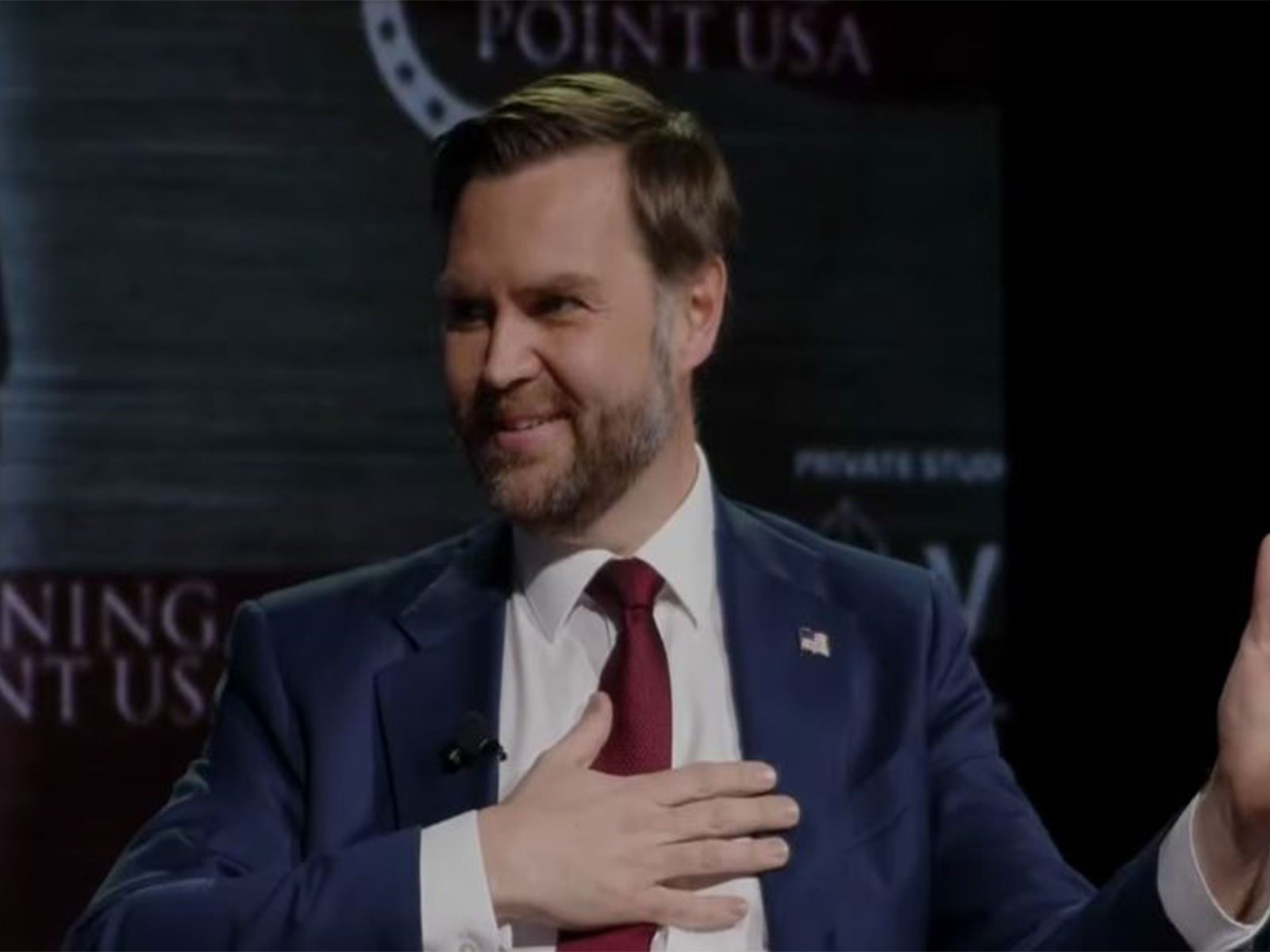
Washington DC [US], April 15, 2026 – The first round of high-level diplomatic talks between the United States and Iran has concluded with a mix of tension and cautious optimism, as US Vice President JD Vance acknowledged “a lot of mistrust” between the two nations but hinted at progress toward a possible second round of negotiations.
Historic Meeting After Decades of Silence
In a significant geopolitical development, the talks held in Islamabad marked the first high-level engagement between Washington and Tehran in nearly five decades. Speaking at a Turning Point USA event at the University of Georgia, Vance emphasized the unprecedented nature of the meeting.
According to him, such a direct interaction between top leadership from both nations had never taken place before—neither under Democratic nor Republican administrations.
“The United States had never had meetings at that level with the Iranian government in 49 years,” Vance stated.
This historic engagement is being seen as a potential turning point in the strained relations between the two countries, which have been marked by decades of hostility, sanctions, and geopolitical rivalry.
Deep-Rooted Mistrust Remains a Major Barrier
Despite the breakthrough in dialogue, Vance candidly admitted that mistrust continues to be the biggest obstacle in achieving meaningful progress.
The roots of this mistrust go back to major historical events such as the Iranian Revolution, which led to the collapse of diplomatic relations, and subsequent conflicts and sanctions that widened the gap between the two nations.
Vance remarked:
“After 49 years, there’s a lot of mistrust between Iran and the United States. You’re not going to solve that problem overnight.”
This acknowledgment reflects the complex nature of US-Iran relations, where political, military, and ideological differences have created long-standing friction.
Positive Signals Despite Stalemate
Although the first round of talks ended in a stalemate, there were encouraging signs that both sides are open to negotiations.
Vance noted that the US delegation approached the discussions with sincerity, following directives from Donald Trump to negotiate in good faith. He also indicated that the Iranian side appeared willing to explore a potential agreement.
“I think the people we’re sitting across from wanted to make a deal,” Vance said.
This mutual willingness could play a crucial role in breaking the diplomatic deadlock and paving the way for future cooperation.
Key Players in Ongoing Negotiations
The diplomatic efforts are being led by a group of senior US officials and advisers, including:
- JD Vance – Leading the US delegation
- Steve Witkoff – Special envoy handling negotiations
- Jared Kushner – Senior adviser and diplomat
These leaders have reportedly remained in continuous contact with Iranian officials and intermediaries following the initial 21-hour discussion round.
Their involvement highlights the seriousness of the US administration’s efforts to find a diplomatic solution to ongoing tensions in West Asia.
Possibility of a Second Round of Talks
According to sources cited by CNN, Washington is actively considering a second round of negotiations with Iran. Islamabad is again emerging as the likely venue for the next phase of discussions.
However, officials have clarified that no final decision has been made yet.
A US official stated:
“Future talks are under discussion, but nothing has been scheduled at this time.”
Despite the uncertainty, the continuation of dialogue remains a strong possibility, especially given the strategic importance of reducing tensions in the region.
Strategic Importance of the Talks
The US-Iran negotiations come at a critical time, as geopolitical tensions in West Asia continue to rise. A successful agreement could have far-reaching implications, including:
- De-escalation of regional conflicts
- Reduction in military hostilities
- Improved global oil market stability
- Revival of diplomatic relations
Experts believe that even incremental progress in these talks could significantly impact global politics and economic stability.
Challenges Ahead
While optimism exists, several challenges could hinder progress:
1. Historical Distrust
Decades of hostility cannot be erased quickly, making trust-building a slow and delicate process.
2. Political Pressures
Both nations face internal political dynamics that may influence negotiation outcomes.
3. Complex Regional Dynamics
The involvement of other countries and ongoing conflicts in West Asia add layers of complexity to the talks.
4. Lack of Formal Framework
As of now, there is no structured roadmap for negotiations, which could delay progress.
What Lies Ahead?
The coming weeks will be crucial in determining whether diplomatic momentum can be sustained. If a second round of talks is confirmed, it could mark the beginning of a new phase in US-Iran relations.
Vance’s remarks suggest a balanced outlook—acknowledging the challenges while remaining hopeful about the future.
The first round of US-Iran talks in Islamabad may not have produced immediate results, but it has opened the door for dialogue after nearly half a century. While mistrust remains a significant hurdle, the willingness of both sides to engage signals a potential shift toward diplomacy.
As JD Vance highlighted, resolving decades of conflict will take time—but the very act of sitting across the table marks a historic step forward.
About The Author