

 admin
admin 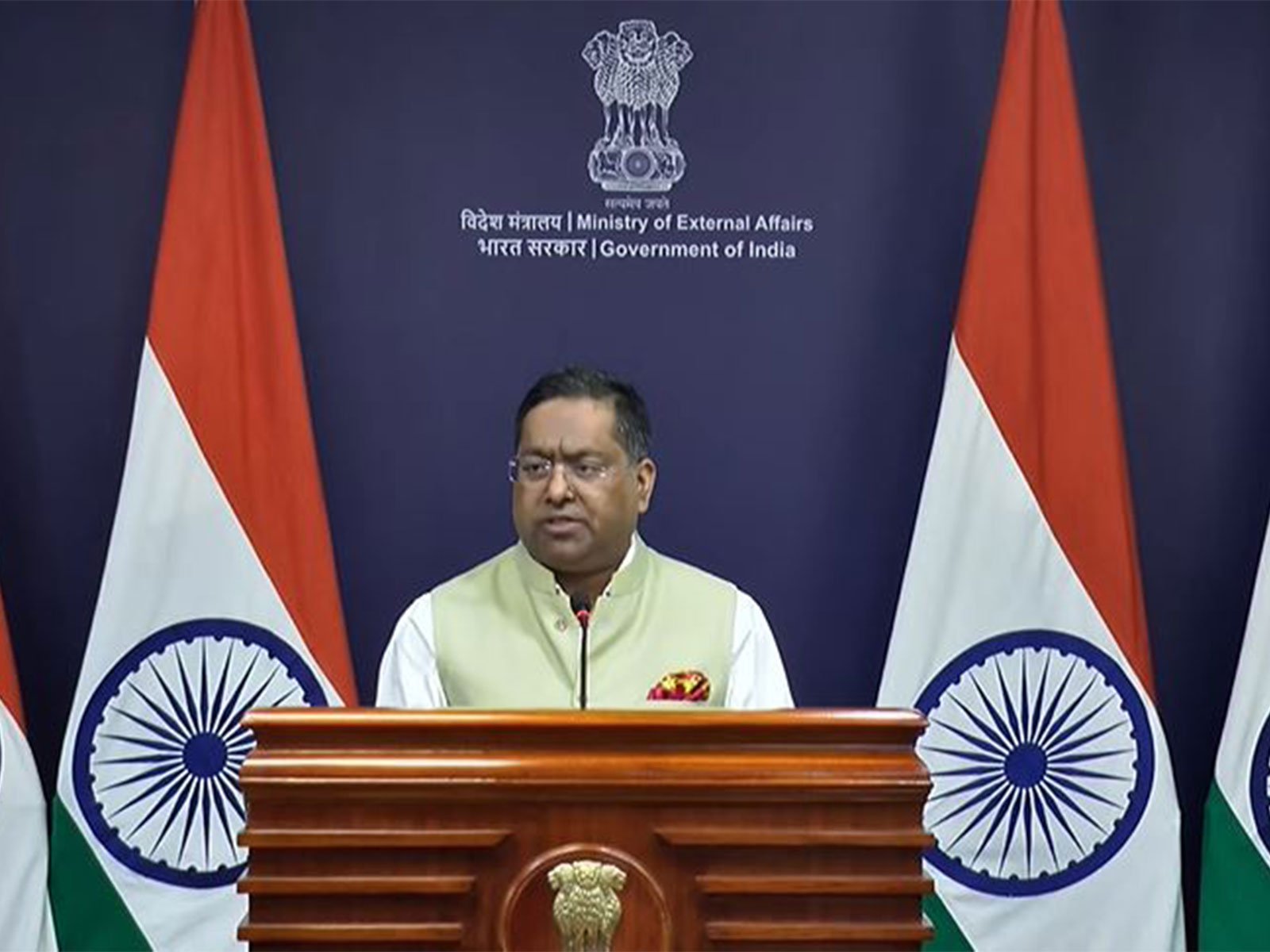
Indus Water Treaty Remains Suspended After Pakistan’s Continued Support for Terrorism
New Delhi | May 7, 2026: The Indus Water Treaty remains suspended as India continues to maintain a strong stand against Pakistan-sponsored cross-border terrorism, the Ministry of External Affairs (MEA) said on Thursday while marking one year of Operation Sindoor.
During a press briefing in New Delhi, MEA spokesperson Randhir Jaiswal reaffirmed that the Indus Water Treaty remains suspended due to Pakistan’s continued support for terrorism across the border.
The statement came on the first anniversary of Operation Sindoor, India’s military response launched after the deadly Pahalgam Terror Attack, which claimed the lives of 26 civilians.
Indus Water Treaty Remains Suspended Following Pahalgam Terror Attack
Addressing reporters, Randhir Jaiswal stated that the Indus Water Treaty remains suspended because Pakistan has failed to stop supporting terror activities targeting India.
“The Indus Water Treaty stands in abeyance in response to Pakistan’s sponsorship of cross-border terrorism. Pakistan must credibly and irrevocably abjure its support for cross-border terrorism,” he said.
The Indus Water Treaty remains suspended after India took the significant diplomatic and strategic decision following the April 22, 2025 Pahalgam terror attack. The treaty, signed in 1960, governs water-sharing arrangements between India and Pakistan regarding the Indus river system.
India’s move to keep the treaty in abeyance marked a major shift in bilateral relations between the two countries.
India Links Terrorism to Suspension of Indus Water Treaty
According to the MEA, the decision that the Indus Water Treaty remains suspended is directly connected to Pakistan’s long-standing policy of supporting terrorism across the border.
Jaiswal highlighted that the international community clearly recognized the Pahalgam terror attack as an act of terrorism. He stated that India had every right to defend itself against such attacks.
“The world knows that cross-border terrorism has long been an instrument of state policy for Pakistan. We in India have every right to defend ourselves against terrorism,” he said.
The statement reinforced India’s diplomatic position that the Indus Water Treaty remains suspended until Pakistan takes credible action against terror groups operating from its territory.
Operation Sindoor and India’s Strong Response
The remarks about the Indus Water Treaty remains suspended came during events marking one year of Operation Sindoor, India’s major military operation launched in response to the Pahalgam terror attack.
Operation Sindoor was initiated on May 7, 2025, after terrorists attacked civilians in Pahalgam, resulting in the deaths of 26 people. The operation involved coordinated action by India’s armed forces to target terror infrastructure across the Line of Control and deeper inside Pakistan.
Prime Minister Narendra Modi praised the Indian armed forces for their courage, precision, and professionalism during Operation Sindoor.
Officials stated that the operation successfully targeted terror camps and support infrastructure without causing civilian casualties. The operation also reinforced India’s broader message that terrorism would face strong consequences.
As tensions increased after the attack, the decision that the Indus Water Treaty remains suspended became one of the strongest diplomatic measures taken by India.
Baglihar Dam Gates Remain Closed
One year after the treaty suspension, the Indus Water Treaty remains suspended and India continues to keep important water infrastructure under tight operational control.
Reports indicate that all gates of the Baglihar Dam on the Chenab River remain closed even after a year of the suspension announcement.
The continued closure of the dam gates signals India’s commitment to maintaining pressure on Pakistan over terrorism concerns. Water experts say the decision reflects the seriousness of India’s diplomatic and strategic response.
The fact that the Indus Water Treaty remains suspended has also sparked debates among international observers regarding future water-sharing relations between the two neighboring countries.
Historical Importance of the Indus Water Treaty
The Indus Waters Treaty was signed in 1960 between India and Pakistan with the support of the World Bank. It has historically been considered one of the most successful water-sharing agreements in the world despite multiple wars and political tensions between the two countries.
However, the situation changed dramatically after the Pahalgam terror attack, leading to India’s decision that the Indus Water Treaty remains suspended until Pakistan ends support for terrorism.
The treaty governs the sharing of water from rivers including the Indus, Jhelum, Chenab, Ravi, Beas, and Sutlej. Experts believe the suspension could have long-term geopolitical and environmental implications in the region.
India Maintains Firm Anti-Terror Policy
Indian officials emphasized that the Indus Water Treaty remains suspended because national security remains the government’s top priority.
Defence and foreign policy experts believe the decision reflects India’s evolving approach toward cross-border terrorism. Instead of limiting its response to military operations alone, India is also using diplomatic and strategic tools to pressure Pakistan internationally.
Operation Sindoor and the treaty suspension together showcased India’s integrated approach toward counter-terrorism.
Analysts say the message behind the statement that the Indus Water Treaty remains suspended is clear: India will not continue normal bilateral agreements while facing terror attacks linked to Pakistan-based groups.
Global Attention on India-Pakistan Relations
The announcement that the Indus Water Treaty remains suspended has drawn attention from global powers and international organizations. Several countries have expressed concern over rising tensions between India and Pakistan after the Pahalgam terror attack and Operation Sindoor.
At the same time, many global leaders have supported India’s right to protect its citizens against terrorism.
Experts believe India’s position has gained wider international understanding because of growing global concerns about terrorism and regional security.
The statement by MEA spokesperson Randhir Jaiswal once again highlighted India’s demand that Pakistan take irreversible and credible action against terror networks operating from its soil.
Operation Sindoor Strengthened India’s Security Doctrine
Security experts believe Operation Sindoor and the continued suspension of the treaty indicate a major shift in India’s strategic doctrine.
The operation demonstrated India’s willingness to take swift military action against terror infrastructure, while the decision that the Indus Water Treaty remains suspended reflected a broader diplomatic response.
Military analysts also noted that India’s actions were carefully calibrated to target terrorism without escalating civilian harm.
Prime Minister Narendra Modi said Operation Sindoor reflected India’s firm resolve against terrorism and reaffirmed the country’s commitment to national security.
Future of the Indus Water Treaty
As the Indus Water Treaty remains suspended, questions remain regarding the future of water-sharing relations between India and Pakistan.
Experts believe restoration of the treaty will depend largely on future diplomatic developments and Pakistan’s actions regarding terror groups operating across the border.
Indian officials have repeatedly maintained that peace and cooperation are only possible in an atmosphere free from terrorism.
For now, the government’s stand remains firm that the Indus Water Treaty remains suspended until Pakistan demonstrates a genuine and irreversible commitment against cross-border terrorism.
The issue is expected to continue playing an important role in India-Pakistan relations and regional diplomacy in the coming years.
About The Author