

 admin
admin 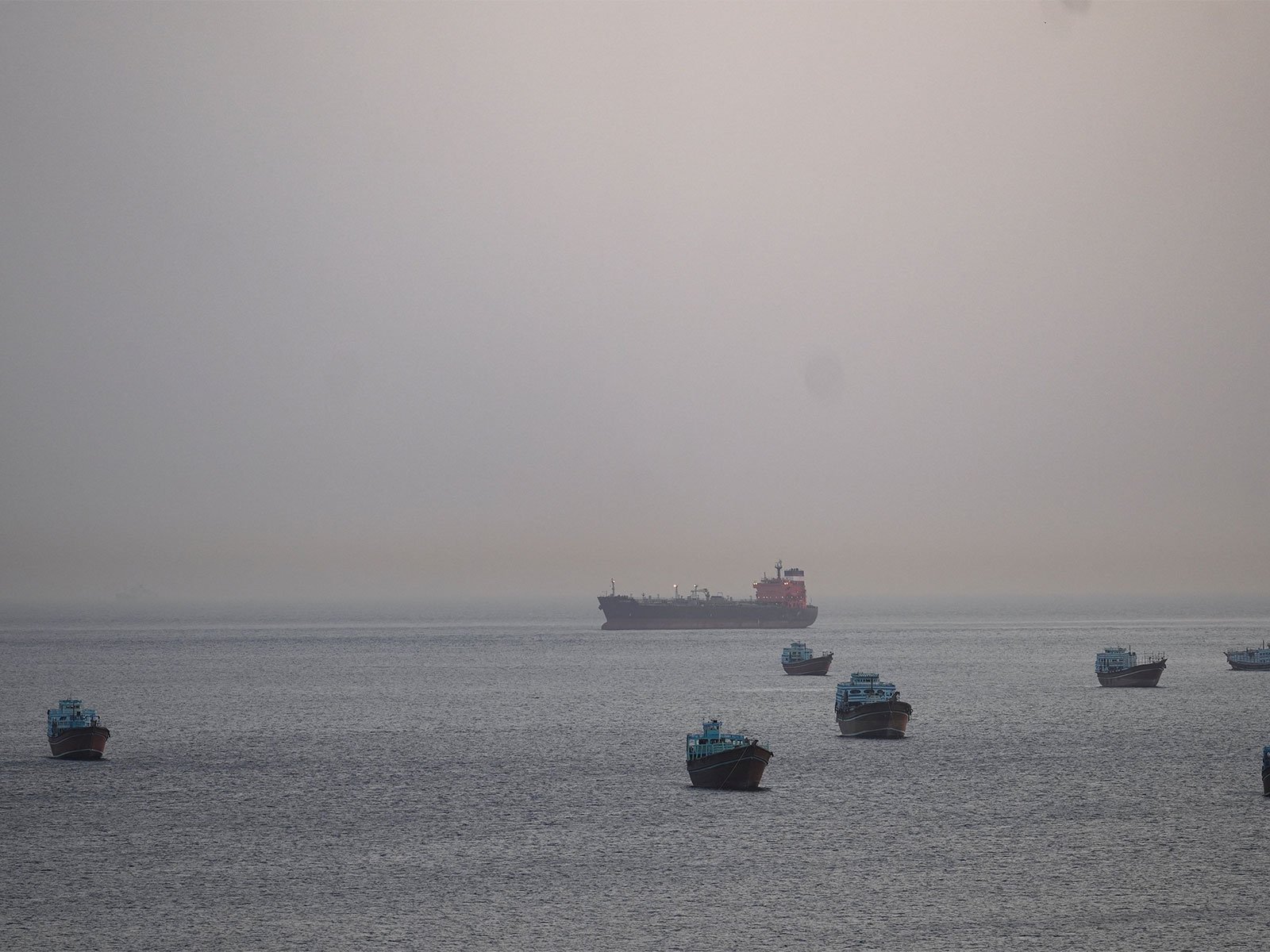
Tehran, May 5, 2026
Strait of Hormuz strike: A fresh controversy has erupted in West Asia after Iranian state media strongly rejected US claims surrounding a recent military strike in the Strait of Hormuz strike, alleging that the vessels targeted were civilian boats rather than military assets. The incident, which reportedly resulted in the deaths of five civilians, has added another layer of tension to an already volatile geopolitical situation in the region.
Conflicting Narratives Over Strait of Hormuz Strike
At the centre of the dispute lies a military engagement that occurred earlier this week in the strategically critical Strait of Hormuz strike.
Iran’s Claim:
- Targeted boats were civilian cargo vessels
- Boats were transporting passengers and goods
- 5 civilians killed in the strike
US Position:
- Boats identified as Iranian small military vessels
- Action taken to protect commercial shipping
- Strike was part of a defensive maritime mission
This sharp divergence in accounts has raised serious concerns about transparency and escalation in the region.
Iran: Civilian Boats Mistaken as Military Targets
According to Iranian officials, the vessels attacked were not linked to the Islamic Revolutionary Guard Corps (IRGC), but were instead small cargo boats moving between Oman and Iran.
Reported Route:
- From Khasab (Oman coast)
- Towards Iranian coastline
Iranian authorities claim that the attack reflects a “miscalculation” by US forces, driven by heightened anxiety over IRGC naval operations.
An Iranian military official described the strike as:
“A hasty and clumsy reaction stemming from excessive fear of fast-boat operations.”
US Military: Action Taken to Secure Shipping Lanes
On the other hand, the United States has defended its actions, stating that the strike was necessary to maintain maritime security.
According to United States Central Command (CENTCOM):
- The boats were posing a threat to commercial vessels
- Helicopters were deployed for a targeted response
Aircraft Used:
- Sikorsky MH-60 Seahawk
- AH-64 Apache
US officials stated that the operation aimed to neutralise threats and ensure safe passage for international trade vessels.
Strait of Hormuz: A Critical Global Chokepoint
The Strait of Hormuz strike is one of the most strategically important waterways in the world.
Why It Matters:
- Handles nearly 20% of global oil trade
- Connects the Persian Gulf to global markets
- Vital for energy security worldwide
Any military activity in this region has immediate global implications, especially for oil prices and international trade.
Rising Tensions in West Asia
This incident comes amid growing friction between Iran and the United States, particularly over:
- Control of maritime routes
- Military presence in the Gulf
- Ongoing geopolitical disputes
The situation has further intensified due to the launch of a new US-led initiative called Project Freedom, aimed at ensuring free navigation through the Strait.
Project Freedom and Strategic Implications
The United States has announced that its forces will support Project Freedom, a mission designed to:
- Protect merchant ships
- Maintain uninterrupted trade routes
- Counter perceived threats in the region
While Washington views this as a stabilising measure, Iran sees it as an escalation of military presence in its vicinity.
Legal and Diplomatic Concerns
The incident has also raised questions about:
Key Issues:
- Rules of engagement in international waters
- Identification of civilian vs military vessels
- Risk of accidental escalation
If Iran’s claims are validated, it could trigger international criticism and calls for accountability.
Global Reactions and Strategic Fallout
The conflicting narratives surrounding the Strait of Hormuz strike are likely to:
- Increase diplomatic tensions
- Impact global oil markets
- Influence regional alliances
Countries dependent on Gulf oil supplies are closely monitoring developments, given the potential for disruptions.
What Happens Next?
Both nations appear firm in their positions, and the possibility of further escalation cannot be ruled out.
Possible Outcomes:
- Independent investigation into the incident
- Diplomatic engagement to de-escalate tensions
- Strengthening of naval presence in the region
The situation remains fluid, with global stakeholders urging restraint.
A Dangerous Flashpoint in Global Security
The latest developments in the Strait of Hormuz strike highlight the fragile balance of power in one of the world’s most critical regions. With Iran and the United States presenting sharply contrasting narratives, the truth behind the incident remains contested.
What is clear, however, is that even a single miscalculation in such a sensitive zone can have far-reaching consequences—not just for regional stability, but for the global economy.
About The Author