admin
admin 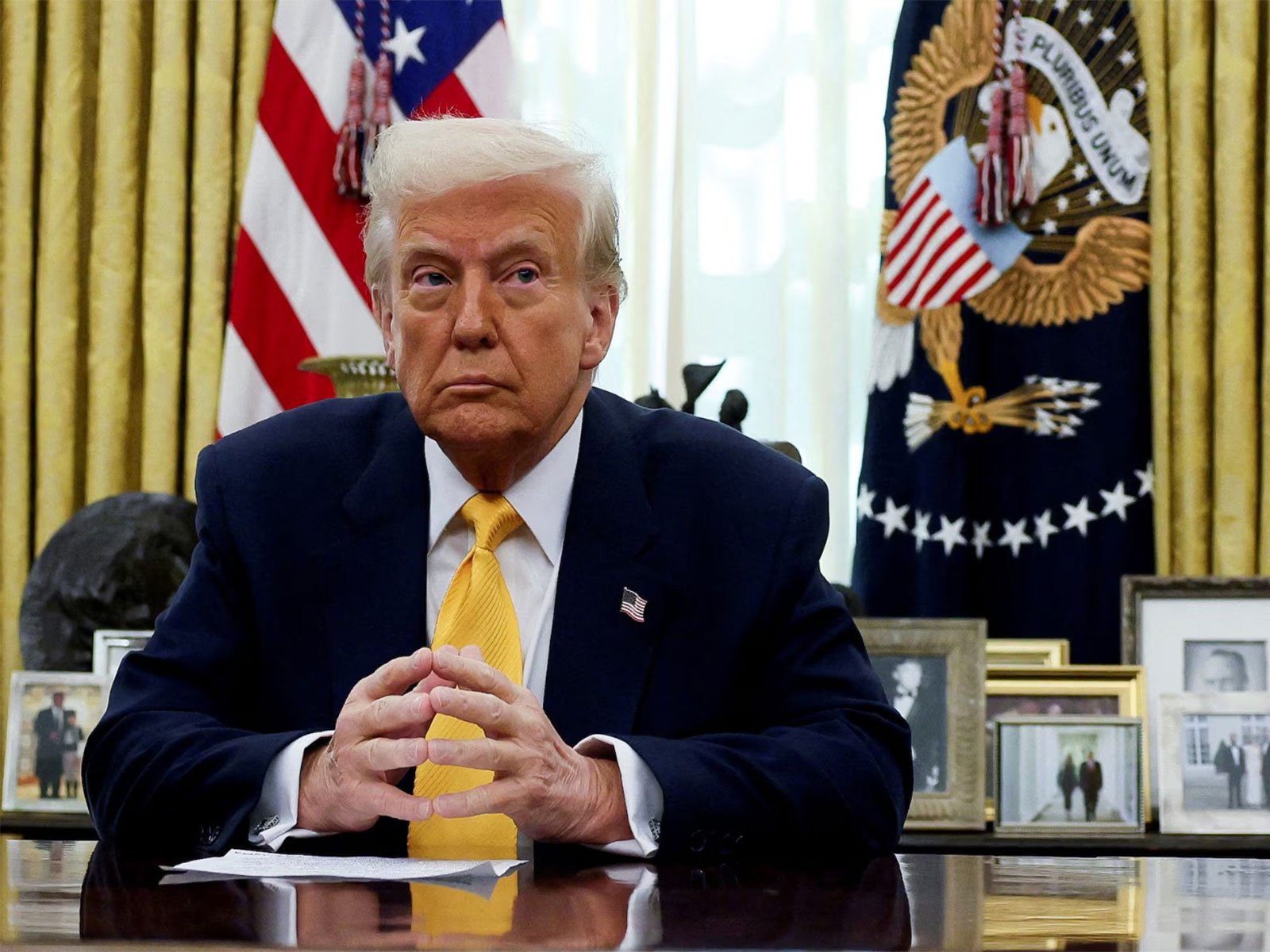
Washington DC [US], April 15, 2026 – Donald Trump has stated that he is not considering extending the current two-week ceasefire with Iran, signaling a potential shift in the trajectory of the ongoing West Asia conflict. However, the US President emphasized that a negotiated deal remains the most desirable outcome to bring an end to hostilities.
Trump Rules Out Ceasefire Extension
In a recent interaction with ABC News Chief Washington Correspondent Jonathan Karl, Trump made it clear that extending the ceasefire is not part of his current strategy.
According to Karl, Trump expressed confidence that the situation would evolve rapidly, suggesting that developments in the next 48 hours could be significant.
“He isn’t thinking about extending the ceasefire. He doesn’t think it will be necessary,” Karl reported.
This statement comes at a time when global observers are closely monitoring whether the fragile pause in hostilities will hold or collapse into renewed conflict.
“A Deal is Preferable,” Says Trump
While acknowledging that the war could end through multiple outcomes, Trump strongly emphasized his preference for a diplomatic resolution.
“It could end either way, but I think a deal is preferable because then they can rebuild,” Trump stated.
He further indicated that changes within Iran’s internal political structure could make negotiations more feasible, adding that extremist elements had been neutralized.
Trump’s remarks reflect a strategic balancing act—maintaining military pressure while keeping diplomatic channels open.
Hints at Major Developments Ahead
Trump’s confidence in imminent developments has raised speculation about a possible breakthrough in negotiations.
“I think you’re going to be watching an amazing two days ahead,” he said.
Such statements have fueled anticipation among international stakeholders, with many expecting either a renewed agreement or escalation depending on the outcome of ongoing talks.
Talks Could Resume Within Days
In a separate conversation with the New York Post, Donald Trump revealed that further discussions between the United States and Iran could take place within the next two days.
He noted that while discussions are ongoing, progress has been slow. However, preparations for a second round of direct negotiations are actively being explored.
Initially, Trump suggested that the talks might be held somewhere in Europe. However, in a follow-up statement, he indicated that Islamabad could be a more likely venue.
“Talks could be happening over the next two days… we’re more inclined to go there,” Trump said, referring to Islamabad.
Key Diplomats Leading the Negotiations
The US diplomatic efforts are being spearheaded by a team of senior officials, including:
- JD Vance – Leading the American delegation
- Steve Witkoff – Key negotiator
- Jared Kushner – Senior adviser
According to CNN, these officials have been in continuous contact with Iranian representatives and intermediaries following a 21-hour round of discussions.
Their role is crucial in shaping the diplomatic pathway aimed at ending the seven-week-long conflict in West Asia.
Second Round of Talks Under Consideration
Reports suggest that Washington is actively evaluating the possibility of a second round of negotiations with Tehran.
Islamabad has emerged as a probable location once again, given its strategic neutrality and prior role as host for the initial talks.
However, officials have clarified that no final decision has been made.
“Future talks are under discussion, but nothing has been scheduled at this time,” a US official stated.
This indicates that while diplomatic momentum exists, logistical and strategic considerations are still being worked out.
Broader Implications for West Asia
The outcome of these negotiations carries significant implications for the entire West Asia region.
1. Regional Stability
A successful deal could help de-escalate tensions and reduce the risk of a broader conflict.
2. Economic Impact
Stability in the region could positively influence global oil markets and trade routes.
3. Diplomatic Precedent
A renewed agreement could mark a turning point in US-Iran relations, which have been strained since the Iranian Revolution.
4. Global Security
Reducing hostilities could lower the threat of proxy wars and military escalation in neighboring regions.
Challenges to Reaching an Agreement
Despite the optimism, several obstacles remain:
- Deep-rooted mistrust: Decades of hostility continue to shape negotiations.
- Political complexities: Internal politics in both nations may affect decision-making.
- Uncertain ceasefire future: Without an extension, the risk of renewed conflict remains high.
- Negotiation pace: Talks are progressing slowly, which could delay outcomes.
Trump’s Strong Leadership Claim
In a bold statement, Donald Trump asserted that his leadership has been crucial in maintaining global stability.
“If I weren’t president, the world would be torn to pieces,” he said.
While such remarks are likely to spark debate, they underscore his administration’s assertive approach to foreign policy.
What to Expect Next?
The next 48 hours could prove decisive in shaping the future of US-Iran relations. Key possibilities include:
- Announcement of a second round of talks
- A preliminary agreement or framework
- Breakdown of ceasefire leading to renewed conflict
All eyes are now on diplomatic channels as the international community awaits further developments.
Donald Trump’s decision not to consider extending the ceasefire with Iran signals a critical moment in the ongoing conflict. While the risk of escalation remains, his emphasis on a diplomatic deal offers a pathway toward resolution.
With talks potentially resuming in Islamabad or another global venue, the coming days could mark a turning point in one of the most complex geopolitical conflicts of recent times.
About The Author