

 admin
admin 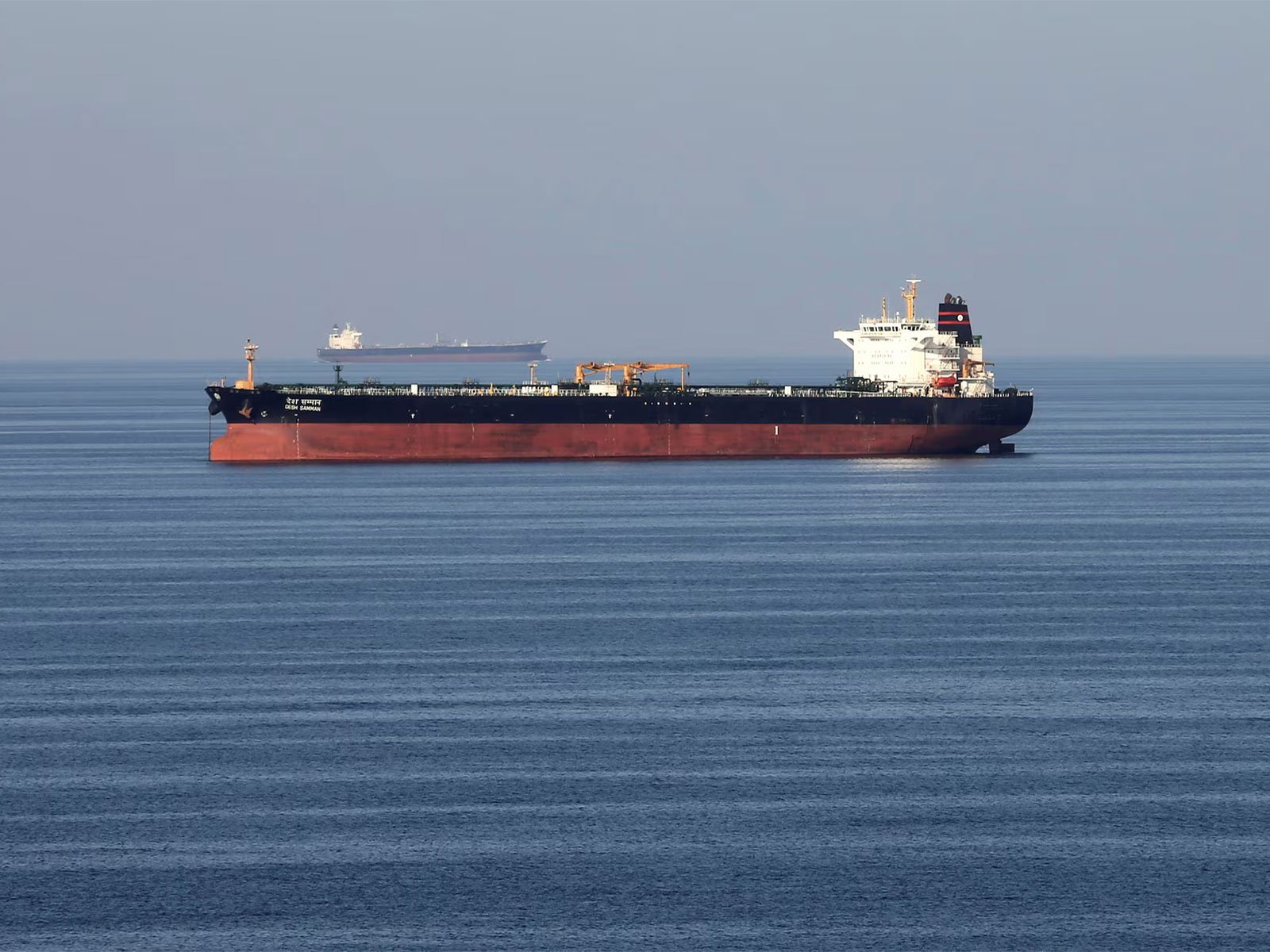
Washington, April 18, 2026 — The U.S. Department of the Treasury has issued a new temporary waiver that allows the sale and transport of sanctioned Russian oil stranded at sea. Officials took this step to calm global energy markets, which remain under pressure due to ongoing tensions in West Asia.
Fresh Waiver to Stabilise Oil Supply
The new waiver permits countries to buy Russian crude oil and petroleum products that were loaded onto ships on or before April 17, 2026. Authorities will keep this authorization valid until May 16, 2026. This decision replaces an earlier 30-day waiver that expired on April 11.
Officials designed this move to prevent disruptions in oil supply. Large volumes of Russian oil remain stuck at sea due to sanctions. Without intervention, this situation could have pushed prices higher and tightened global supply.
The Treasury stated that the waiver covers transactions necessary for the sale, delivery, and offloading of Russian oil. This rule applies even if sanctioned vessels transport the oil.
Clear Limits on Restricted Countries
The waiver does not remove all restrictions. The U.S. government continues to block transactions involving entities linked to Iran, North Korea, and Cuba. Authorities also banned any dealings related to sanctioned regions of Ukraine, including Crimea.
These limits show that Washington still enforces its broader sanctions policy. The waiver only offers operational flexibility for already-loaded oil.
Mixed Signals from US Leadership
The waiver follows recent comments by Scott Bessent. He had said that the United States would not renew previous licenses tied to Russian and Iranian oil shipments.
During a media briefing, Bessent explained that earlier permitted shipments had already been used. His statement suggested a stricter policy going forward.
However, the new waiver presents a different approach. It shows that the U.S. wants to balance economic stability with geopolitical pressure. Officials appear to focus on avoiding sudden shocks in oil markets.
Sharp Reactions in Global Oil Markets
Recent developments have caused strong reactions in oil markets. Brent crude prices dropped by more than 9 percent. Prices settled near USD 90.38 per barrel, which marked the lowest level since early March.
This decline followed statements from Iranian officials about the Strait of Hormuz. They said the Strait would remain open for commercial shipping during the ceasefire.
The Strait of Hormuz plays a vital role in global energy supply. A large portion of the world’s oil passes through this narrow route. Any disruption can quickly impact global prices.
Iran’s Position on Maritime Control
Iran has taken a firm stance on maritime movement. Mohammad Bagher Ghalibaf stated that ships must follow designated routes. He also said vessels need approval from Iranian authorities before passing through the Strait.
His remarks highlight Iran’s intent to maintain strict control over the waterway. This approach adds another layer of uncertainty for global shipping and energy markets.
Russia Could Benefit from the Waiver
Russia may gain from this temporary relief. Kirill Dmitriev estimated that earlier waivers could release around 100 million barrels of oil. This volume equals nearly one day of global oil production.
If these supplies reach buyers, they could improve market liquidity. Increased availability may also prevent sudden price spikes. However, critics argue that such steps weaken the impact of sanctions.
European Leaders Raise Concerns
Some European leaders have expressed concern over the decision. Ursula von der Leyen warned that repeated waivers could reduce the effectiveness of sanctions on Russia.
European policymakers want to maintain pressure on Moscow. They believe energy exports provide a key source of revenue for Russia. Any relaxation in restrictions could support its economy.
Rising Tensions in West Asia
The waiver comes during a tense period in West Asia. Several countries, including the United States, Iran, Israel, and Lebanon, remain involved in complex diplomatic and security developments.
Amid these tensions, Donald Trump spoke about ongoing negotiations with Iran. He said any agreement would only take effect after full completion and formal approval.
Trump also emphasized the continued presence of U.S. naval forces in the region. His comments reflect the strategic importance of maintaining control over key maritime routes.
Strategic Move by the United States
The U.S. government appears to follow a calculated strategy. Officials want to enforce sanctions while preventing disruptions in global energy supply.
By allowing already-loaded oil to enter the market, they avoid creating shortages. At the same time, they continue to restrict future exports from Russia.
Experts describe this approach as a temporary adjustment rather than a policy shift. It helps maintain stability without abandoning sanctions.
Market Outlook and Future Decisions
The current waiver will expire on May 16, 2026. Market participants now watch closely for the next decision from Washington.
If authorities extend the waiver, oil supply may remain stable. If they tighten restrictions, prices could rise again. Traders, governments, and energy companies will monitor the situation closely.
Global energy markets remain highly sensitive to geopolitical events. Even small policy changes can create large price movements.
The latest waiver from the U.S. Treasury reflects a careful balancing act. Officials aim to support global energy stability while maintaining pressure on Russia.
The decision provides short-term relief to oil markets. However, uncertainty remains high due to ongoing geopolitical tensions. Future actions by the United States will play a key role in shaping global energy trends.
About The Author