admin
admin 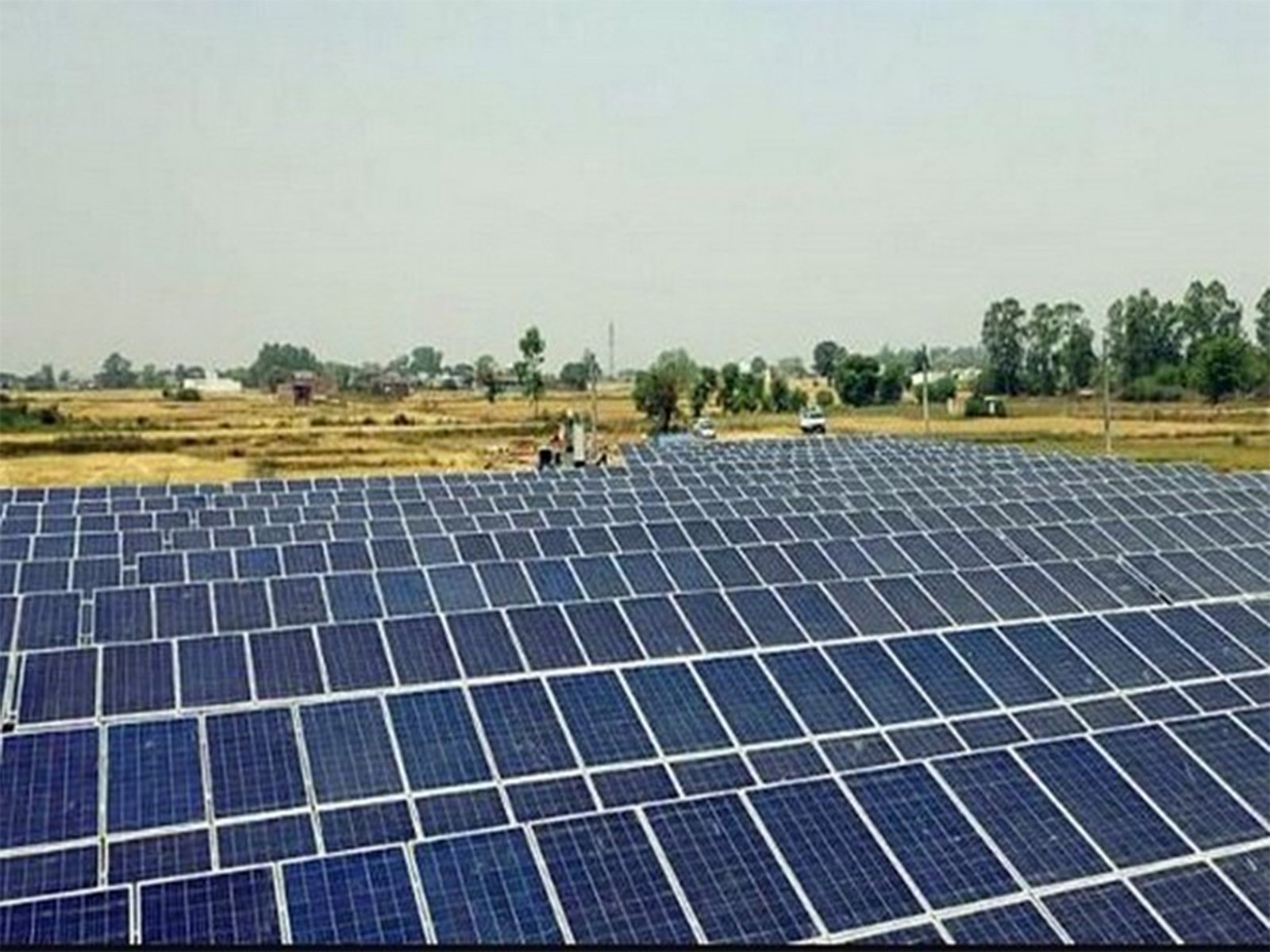
New Delhi | April 18, 2026
India’s renewable energy sector is set for massive expansion, with total capacity projected to reach 359 GW by FY2030, according to a report by Jefferies. The growth outlook comes amid rising geopolitical concerns and an increasing focus on energy security.
Renewable Energy Growth Gains Momentum
The report highlights that India is entering a phase of strong energy demand recovery after a relatively slow period. Renewable energy continues to be a key pillar of the country’s long-term power strategy, supported by government initiatives and policy reforms.
Power Demand Expected to Rebound
Power demand in India is expected to grow at around 6% by FY2027, driven by:
- Recovery in industrial activity
- Rising residential consumption
- Increased agricultural electricity usage
Weather patterns are also expected to play a major role. Forecasts indicate a 60% probability of an El Niño event during the 2026 monsoon season, which typically leads to lower rainfall and higher electricity demand.
Experts note that reduced rainfall increases dependence on irrigation systems and cooling appliances, pushing up power consumption across both rural and urban sectors.
Thermal and Renewable Energy to Coexist
While renewable energy expansion remains a priority, the government is also strengthening thermal power capacity to ensure grid stability.
- Planned addition: 97 GW thermal capacity by 2034-35
- Existing thermal capacity (FY25): 247 GW
This balanced approach ensures reliability while India transitions toward cleaner energy sources.
Government Push Boosts Solar Manufacturing
India’s solar sector is witnessing rapid growth due to strong policy support:
- PM Suryaghar Scheme: ~9 GW rooftop solar installations in FY26
- PM Kusum Scheme: ~7.5 GW added through agricultural pumps
Both initiatives emphasize the use of domestic components, supporting local manufacturing.
Additionally, Domestic Content Requirement (DCR) policies now contribute to nearly 30% of annual solar installations, boosting demand for locally produced solar equipment.
Focus on Domestic Supply Chain Integration
A major policy shift is underway with a mandate requiring domestic ingots and wafers by June 2028, encouraging full backward integration in solar manufacturing.
This move is expected to:
- Strengthen India’s solar supply chain
- Reduce dependence on imports
- Benefit companies with strong financial capacity
Currently, limited domestic cell supply is enabling early manufacturers to maintain strong profitability.
India’s renewable energy sector is on a strong growth trajectory, backed by policy support, rising demand, and global energy security concerns. With a target of 359 GW capacity by FY2030, the country is positioning itself as a global leader in clean energy while maintaining a balanced and resilient power ecosystem.
About The Author