
 admin
admin 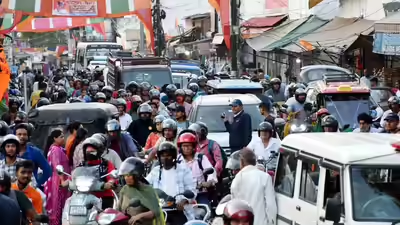
Dehradun, Uttarakhand | April 18, 2026
Commuters travelling on the newly inaugurated Delhi-Dehradun Expressway are facing severe congestion as they enter Dehradun, with Saharanpur Road emerging as a major bottleneck. While the expressway offers a smooth and fast ride, traffic slows significantly at the city’s edge, disrupting the overall travel experience.
The situation has worsened due to the rising number of vehicles entering the city. Authorities expect an even higher surge during weekends and the peak tourist season, putting additional pressure on Dehradun’s already stretched urban infrastructure.
Traffic Bottlenecks Expose Infrastructure Gaps
Despite improved regional connectivity, the city’s internal road network struggles to handle increased traffic flow. Congestion along Saharanpur Road continues to delay entry into the city, highlighting the mismatch between highway expansion and urban planning.
Experts warn that the growing volume of vehicles could further strain the existing infrastructure, leading to longer travel times and increased pollution levels.
Experts Raise Environmental and Planning Concerns
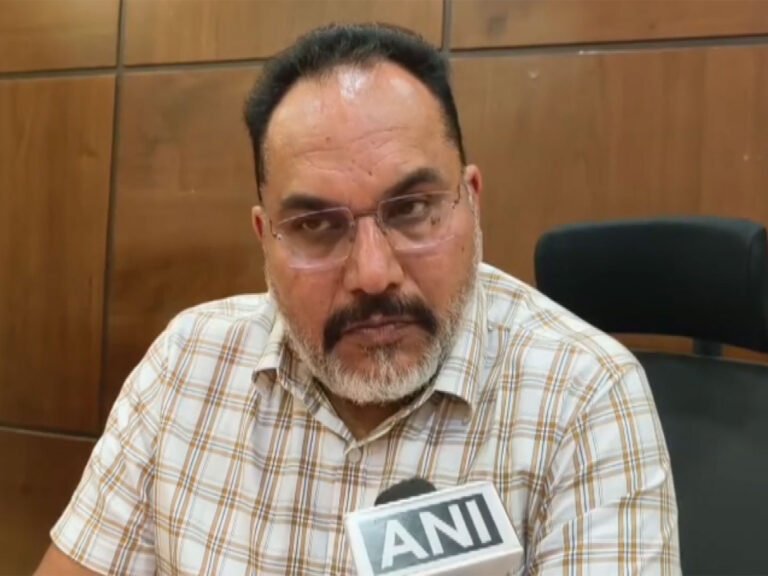
Anoop Nautiyal said that the rising traffic could offset the projected fuel savings and emission reductions claimed for the expressway.
Urban planners have also expressed concern over the impact on nearby regions like Mussoorie and Rishikesh. They noted that the fragile ecology of hill areas could face additional stress due to increased traffic flow.
Call for Better Traffic Management
Geeta Khulbe highlighted the need for improved traffic management rather than just infrastructure expansion. She suggested that tourists heading to Mussoorie should avoid entering the city unnecessarily and instead use alternative routes like the Shimla Bypass Road.
She also emphasized the importance of better signage and regulation of local traffic to reduce interference with tourist movement and ensure smoother travel.
SOP Introduced to Address Congestion
Officials from the traffic department have introduced a Standard Operating Procedure (SOP) to tackle congestion issues. The SOP identifies key bottlenecks such as Rispana Pull, Jogiwala, and ISBT, along with challenges like inadequate parking in busy areas like Paltan Bazaar.
Lokjeet Singh said that the plan includes route diversions via Shimla Bypass and GMS Road. It also takes into account increased traffic during the Char Dham Yatra and summer season.
Technology and Policing to Improve Flow
Authorities will share diversion plans through social media and navigation apps. In addition, more police personnel will be deployed across city zones to manage traffic effectively.
Officials are also planning a data-driven approach to monitor traffic patterns and identify problem areas in real time.
Long-Term Solutions Under Consideration
To ease congestion, authorities are considering several long-term measures. These include widening Saharanpur Road, shifting the Arhat wholesale market, and installing better signage across the city.
Plans for elevated corridors, overbridges, and underpasses are also under discussion as part of a broader strategy to improve traffic flow in the future.
Conclusion
The Delhi-Dehradun Expressway has significantly improved connectivity between the two cities. However, congestion at entry points like Saharanpur Road highlights the urgent need for better urban planning and traffic management.
Without timely intervention, the benefits of the expressway could be reduced, affecting both commuters and the environment in the long run.
About The Author