
 admin
admin 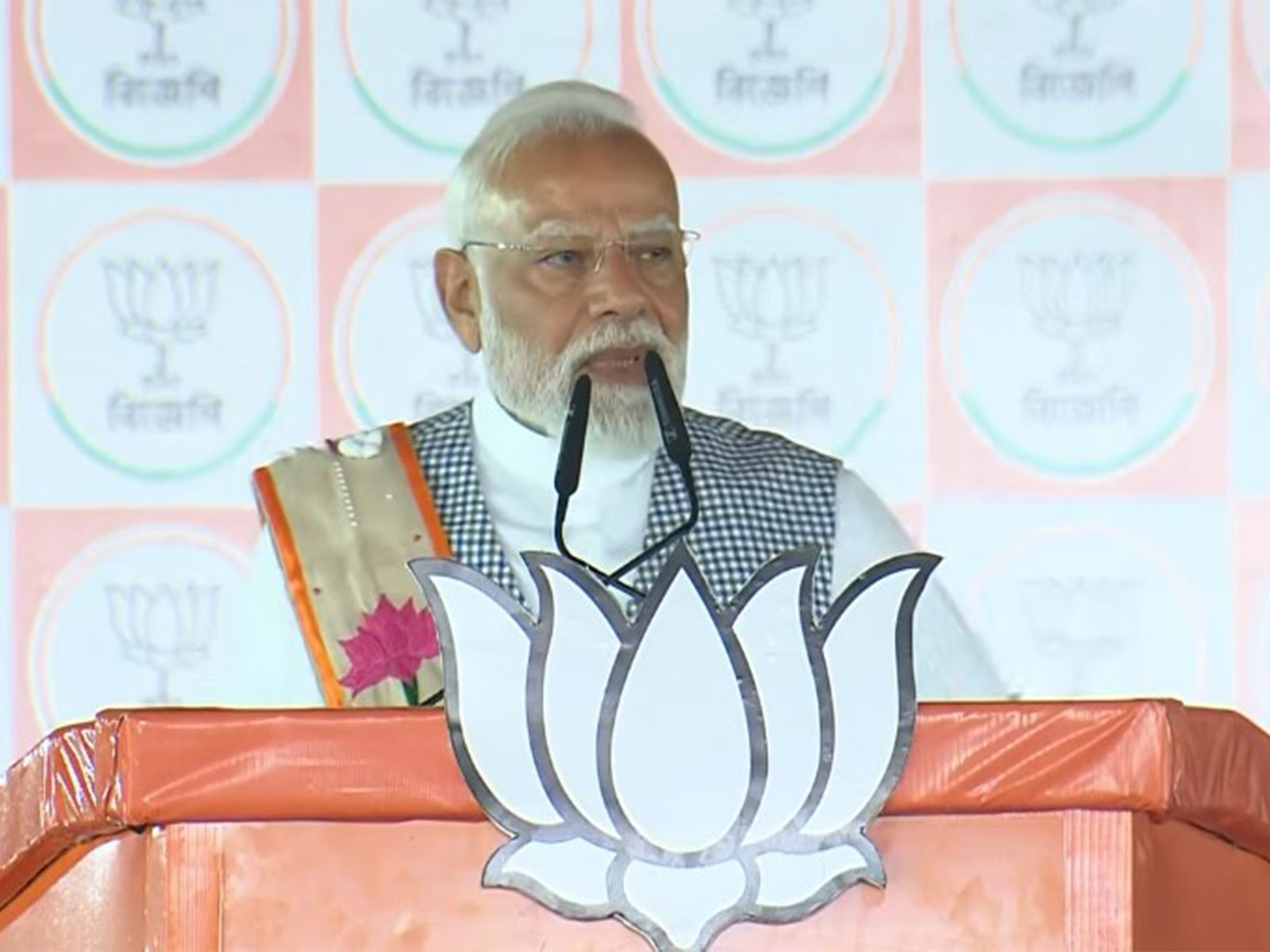
Barrackpore, West Bengal | April 27, 2026
A Confident Pitch Before Crucial Phase
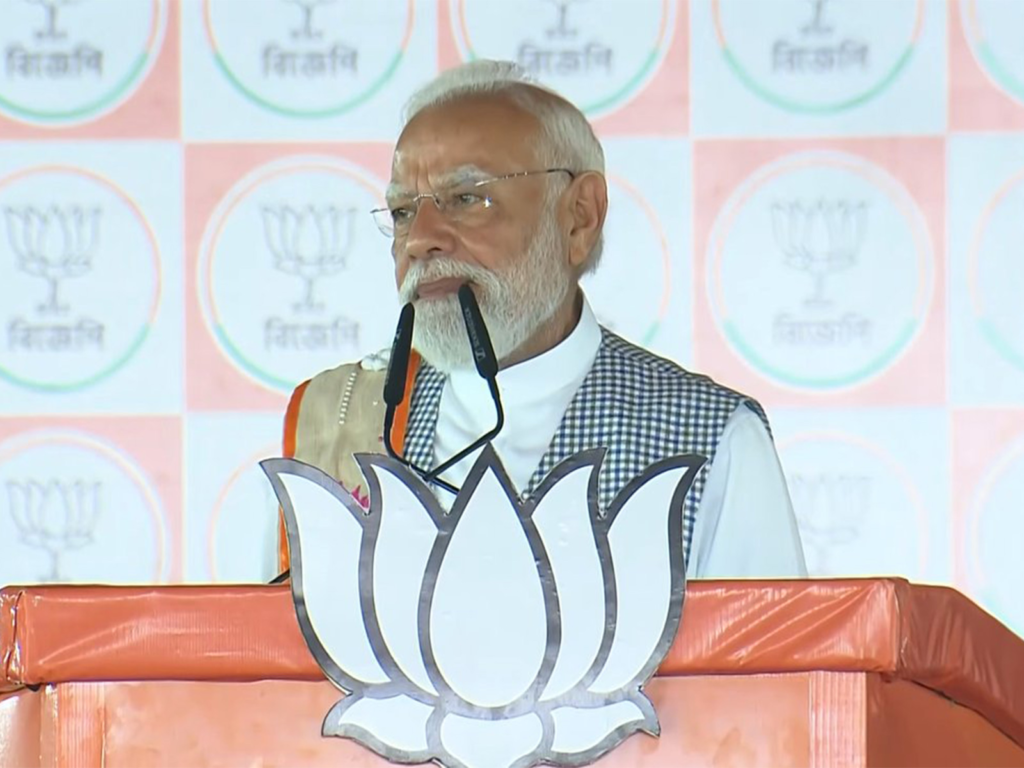
PM Modi Bengal Rally on Monday delivered a high-energy address at a Vijay Sankalp rally in Barrackpore, setting the tone ahead of the second phase of the West Bengal Assembly elections. His speech wasn’t just political—it carried emotion, personal reflection, and a strong message of confidence.
Standing before a charged crowd, Modi made a bold assertion: he would return to West Bengal after May 4—not for campaigning, but to attend the oath-taking ceremony of a BJP government.
This statement quickly became the highlight of the rally, reinforcing the BJP’s aggressive push to make significant gains in a state long dominated by regional forces.
A Deep Emotional Bond with Bengal
PM Modi Bengal Rally In his speech, Modi spoke at length about his personal and spiritual connection with West Bengal. Rather than focusing only on politics, he chose to connect with people emotionally—something that has become a recurring theme in his speeches across the country.
He described Bengal as a land that has deeply influenced his life and spiritual journey. According to him, the state has always been a “Shakti Peeth” in his personal growth—symbolizing energy, devotion, and inspiration.
“The attachment I have had towards Bengal has been a devotion to Shakti… This land has been an energy center of my spiritual journey,” he said.
By referencing Bengal’s cultural and spiritual significance, Modi attempted to resonate with both traditional values and modern aspirations of the people.
“May 4 Will Change Bengal’s Future”
The Prime Minister’s confidence was unmistakable when he spoke about the upcoming election results. Based on his campaign experience and public response, he expressed certainty that the BJP would form the next government.
“Wherever I have gone in Bengal, I have seen the mood of the people. I am returning with the confidence that after May 4, I will come back for BJP’s oath-taking ceremony.”
This remark is being seen as both a political message and a psychological strategy—aimed at energizing party workers and influencing undecided voters.
Campaign Experience: Connecting Beyond Politics
One of the most relatable parts of Modi’s speech came when he spoke about the gestures he receives from people during his rallies.
He mentioned how supporters present him with portraits, letters, and messages—often filled with emotions, hopes, and struggles.
Interestingly, he shared that he personally reviews these messages at night after his rallies.
“In some letters, I find your pain. In others, I sense your blessings,” he said.
This human touch in his speech created a connection beyond political rhetoric, portraying him as someone who values individual voices.
Decades of Political Journey
Reflecting on his long political career, Modi reminded the audience of his journey—from a grassroots worker to the Prime Minister of the country.
He emphasized his continuous engagement with people over the past three to four decades.
“I do not consider day or night, nor weather. I keep moving. Since I left my home, I have found comfort among the people—you are my family.”
This narrative reinforces his image as a dedicated leader who has built his career through consistent ground-level work.
Barrackpore: A Key Electoral Battleground
PM Modi Bengal Rally in Barrackpore holds strategic importance. The constituency is witnessing a triangular contest between:
- BJP candidate Kaustav Bagchi
- TMC candidate Raj (Raju) Chakraborty
- CPI(M) candidate Suman Ranjan Bandyopadhyay
Barrackpore is part of the North 24 Parganas district and falls under the Barrackpore Lok Sabha constituency. It is considered a politically sensitive urban seat with diverse voter demographics.
The BJP is aiming to capitalize on anti-incumbency and expand its presence, while the TMC is trying to retain its stronghold.
Spiritual Start: Visit to Thanthania Kalibari
Before the rally, Modi visited the historic Thanthania Kalibari temple in North Kolkata.
This 300-year-old temple holds deep religious significance and is dedicated to Maa Siddheshwari (a form of Goddess Kali). It is also associated with Ramakrishna Paramahansa, who is believed to have frequently visited the temple.
By starting his day with prayers, Modi once again blended spirituality with politics—a strategy that often resonates strongly with Indian voters.
High Voter Turnout Signals Intense Contest
PM Modi Bengal Rally The first phase of polling in West Bengal recorded an impressive turnout of over 91%, indicating strong voter participation.
Such high turnout often reflects:
- Increased political awareness
- Strong voter mobilization
- A competitive electoral environment
With Phase 2 scheduled for April 29, all parties are intensifying their campaigns.
BJP vs TMC: The Bigger Picture
PM Modi Bengal Rally The election in West Bengal is not just a state-level contest—it carries national political significance.
- The BJP is aiming to break the dominance of the Trinamool Congress
- The ruling party, led by Mamata Banerjee, is seeking another term
The outcome could reshape political dynamics in eastern India.
Narrative Strategy: Confidence, Emotion, and Vision
What stood out in Modi’s speech was not just the political messaging but the narrative structure:
- Emotional connect with Bengal
- Personal journey and sacrifice
- Confidence in victory
- Acknowledgement of people’s support
This combination creates a powerful storytelling approach—something that has been central to his campaign style.
What Lies Ahead?
As West Bengal moves into the next phase of polling, the stakes continue to rise.
- Will BJP’s aggressive campaign strategy pay off?
- Can TMC maintain its dominance?
- Will voter turnout continue to remain high?
All eyes are now on May 4, when the results will determine the political future of the state.
A Defining Moment for Bengal Politics
PM Modi Bengal Rally in Barrackpore was more than just an election speech—it was a mix of confidence, emotion, and strategic messaging.
His statement about returning for BJP’s oath-taking reflects the party’s ambition and belief in its campaign.
However, elections are ultimately decided by voters—and West Bengal’s electorate has always shown the ability to surprise.
The coming days will be crucial, and the final verdict will not just shape the state government but also influence the national political narrative.
PM Modi Bengal Rally 2026: What This Means for Voters and Political Momentum

The PM Modi Bengal Rally 2026 is not just another political event—it reflects a deeper shift in the mood of voters across West Bengal. When large crowds gather, listen carefully, and respond emotionally, it often indicates more than just curiosity. It signals engagement.
In Barrackpore, the response appeared energetic and attentive. People were not just present—they were reacting, listening, and participating. That kind of response matters in elections because it often translates into voter turnout.
Why PM Modi Bengal Rally 2026 Is Strategically Important
The PM Modi Bengal Rally 2026 comes at a critical time—just before Phase 2 voting. Political campaigns usually peak at this stage, and every rally becomes crucial.
This rally served multiple purposes:
- Strengthening BJP’s voter base
- Creating momentum before voting day
- Reinforcing leadership confidence
- Influencing undecided voters
More importantly, it allowed the Prime Minister to directly communicate with people rather than relying only on party workers or local leaders.
Voter Sentiment and Ground Reality in West Bengal
PM Modi Bengal Rally If we look closely, West Bengal elections are rarely predictable. The state has a history of strong political identities and shifting loyalties.
During the PM Modi Bengal Rally 2026, one thing became clear—voters are actively engaged in the political process. High turnout in Phase 1 already showed that people want to participate in shaping the future of the state.
Now, the question is not whether people will vote—but how they will vote.
Several factors are influencing voter sentiment:
- Development expectations
- Employment opportunities
- Local governance issues
- Emotional and cultural connect
Modi’s speech tried to touch all these aspects, especially by blending development talk with emotional storytelling.
PM Modi Bengal Rally Why Modi Connects with Crowd
One noticeable thing in the PM Modi Bengal Rally 2026 was his storytelling approach. Instead of delivering only policy-heavy speeches, he mixed:
- Personal experiences
- Emotional connection
- Cultural references
- Direct communication
This style helps simplify complex political messaging. People relate more easily to stories than statistics.
For example, when he spoke about reading letters from supporters at night, it created a human connection. It made him appear approachable rather than distant.
Impact of Spiritual Messaging in Bengal Politics
PM Modi Bengal Rally West Bengal has a strong cultural and spiritual identity. By mentioning Shakti, devotion, and visiting temples like Thanthania Kalibari, Modi aligned his message with the emotional fabric of the state.
This is a strategic move because:
- It resonates with traditional voters
- It builds cultural trust
- It strengthens emotional appeal
The PM Modi Bengal Rally 2026 successfully blended spirituality with politics—something that often influences voter perception in India.
Triangular Contest Makes Barrackpore Crucial
The Barrackpore seat is not a simple two-party fight. It involves:
- BJP
- Trinamool Congress
- CPI(M)
This triangular contest creates uncertainty. Even small vote shifts can change results.
That’s why rallies like the PM Modi Bengal Rally 2026 become extremely important—they can influence swing voters and undecided segments.
High Turnout: A Game-Changer Factor
The Election Commission data showing over 90% turnout in Phase 1 is significant. High turnout usually indicates:
- Strong voter motivation
- Competitive elections
- Increased political awareness
For BJP, this could mean opportunity. For TMC, it could mean challenge. But the final impact depends on how this turnout translates into votes.
Development vs Identity Politics
The PM Modi Bengal Rally 2026 also highlighted a subtle shift—from identity-based politics to development-focused messaging.
Modi emphasized:
- Infrastructure
- Opportunities
- National growth
At the same time, he maintained emotional connection with Bengal’s identity.
This balanced approach is important because modern voters often look for both—development and cultural respect.
What Businesses and Youth Are Watching
Young voters and small business owners are closely watching this election.
Why?
Because political stability directly affects:
- Job opportunities
- Investment flow
- Business growth
If BJP forms government, it may push development-driven policies. If TMC retains power, continuity will remain.
Either way, the outcome will impact economic direction.
PM Modi Bengal Rally 2026 Sets the Tone
The PM Modi Bengal Rally 2026 has clearly set the tone for the next phase of elections. It has:
- Energized supporters
- Created strong political messaging
- Increased media attention
But elections are not decided by rallies alone—they are decided in voting booths.
The real answer will come on May 4.
Until then, Bengal remains politically active, emotionally charged, and highly unpredictable.
A Vision Beyond Elections
PM Modi Bengal Rally on Monday delivered a powerful and emotionally charged speech at a Vijay Sankalp Sabha in Barrackpore, positioning the ongoing West Bengal Assembly elections as far more than a state-level contest.
He described the elections as a decisive moment not only for West Bengal but for the entire eastern region of India. According to him, the rise of India—what he called “Bhagyoday”—cannot be complete without the development of eastern India, referred to as “Purvoday.”
“Purvoday is Essential for India’s Growth”
PM Modi Bengal Rally During his address, Modi emphasized a broader national vision. He explained that India’s future depends significantly on the progress of eastern states like Bihar, West Bengal, and Odisha.
He used the symbolic phrase “Ang, Bang, and Kalinga” to describe these regions—highlighting their historical importance in India’s prosperity.
“Bharat ka Bhagyoday, Purvoday ke bina adhura hai,” Modi said, stressing that the development of eastern India is crucial for the country to become a developed nation.
This message positioned the election not just as a political event but as part of a larger national transformation.
Ang, Bang, Kalinga: A Historical Narrative
PM Modi Bengal Rally PM said on history to strengthen his argument. He said that when India was prosperous in the past, regions like Bihar (Ang), Bengal (Bang), and Odisha (Kalinga) were strong pillars of growth.
However, when these regions weakened, the country’s overall progress slowed down.
By invoking this historical perspective, Modi attempted to connect past glory with future aspirations—suggesting that strengthening these states again could restore India’s global standing.
Confidence in BJP Victory
One of the strongest takeaways from the rally was Modi’s confidence in BJP’s electoral prospects.
He pointed out that the party has already seen success in Bihar and Odisha and expressed certainty that West Bengal would follow the same path.
“Bihar has made the lotus bloom, Odisha has made the lotus bloom, and now it is Bengal’s turn,” he said.
This statement reinforced BJP’s narrative of expansion in eastern India and its ambition to gain a stronger foothold in the region.
Barrackpore: A Symbol of Change
The choice of Barrackpore as the venue carried symbolic weight. Modi reminded the audience of its historical importance in India’s freedom struggle, particularly during the 1857 uprising.
By linking the past with the present, he suggested that Barrackpore is once again witnessing a call for transformation.
“This land gave strength to the first war of independence. Today, it is paving the path of change in Bengal,” he said.
Campaign Slogan Gains Momentum
The BJP’s campaign slogan—“Paltano Dorkar Chai BJP Sarkar” (Change is needed, we want a BJP government)—was a central theme of the rally.
According to Modi, this slogan reflects the growing desire for change among voters.
The crowd response during the rally suggested that the message is resonating, especially among first-time voters and urban populations.
Spiritual Connection in Political Messaging
PM Modi Bengal Rally PM also brought a spiritual dimension into his speech, recalling his 11-day religious observance before the consecration of Ram Lalla in Ayodhya in 2024.
He compared that experience to his current campaign journey, saying that interacting with people in Bengal gives him a similar sense of devotion.
“In this election too, I feel the same experience as one feels during worship,” he said.
This blend of spirituality and politics is a key element of Modi’s communication style, often helping him connect with a broader audience.
A Personal Note: “People Are My Family”
In a more personal moment, Modi spoke about his connection with the people of India.
He said that since leaving his home years ago, he has found comfort and belonging among citizens across the country.
“You all are my family,” he said, reinforcing his image as a leader closely connected to the public.
Last Rally Before Phase 2 Voting
PM Modi Bengal Rally in Barrackpore rally marked Modi’s final public meeting in West Bengal before the second phase of polling on April 29.
With campaigning coming to an end, this rally served as a final push to energize voters and party workers.
He once again reiterated his confidence that he would return to the state after May 4—not for campaigning, but to attend the oath-taking ceremony of a BJP government.
PM Modi Bengal Rally massive Crowd Reflects Political Momentum
A large number of supporters gathered at the rally venue, indicating strong interest and engagement in the election process.
High turnout in the first phase of polling already showed that voters are actively participating. The second phase is expected to witness similar enthusiasm.
Such large gatherings often play a role in shaping public perception and influencing undecided voters.

The Bigger Political Picture
The West Bengal Assembly elections are part of a larger political narrative in India.
- BJP is aiming to expand its presence in eastern India
- Trinamool Congress, led by Mamata Banerjee, is trying to retain power
- The outcome could influence national political dynamics
The results, scheduled for May 4, will be closely watched across the country.
A Defining Moment for Eastern India
PM Modi Bengal Rally in Barrackpore rally highlighted more than just election strategies—it presented a broader vision for India’s future.
By linking Bengal’s development with national progress, he framed the election as a crucial step toward achieving a developed India.
Whether this vision resonates with voters will become clear on May 4. Until then, West Bengal remains at the center of one of the most closely watched political battles in the country.
About The Author