
 admin
admin 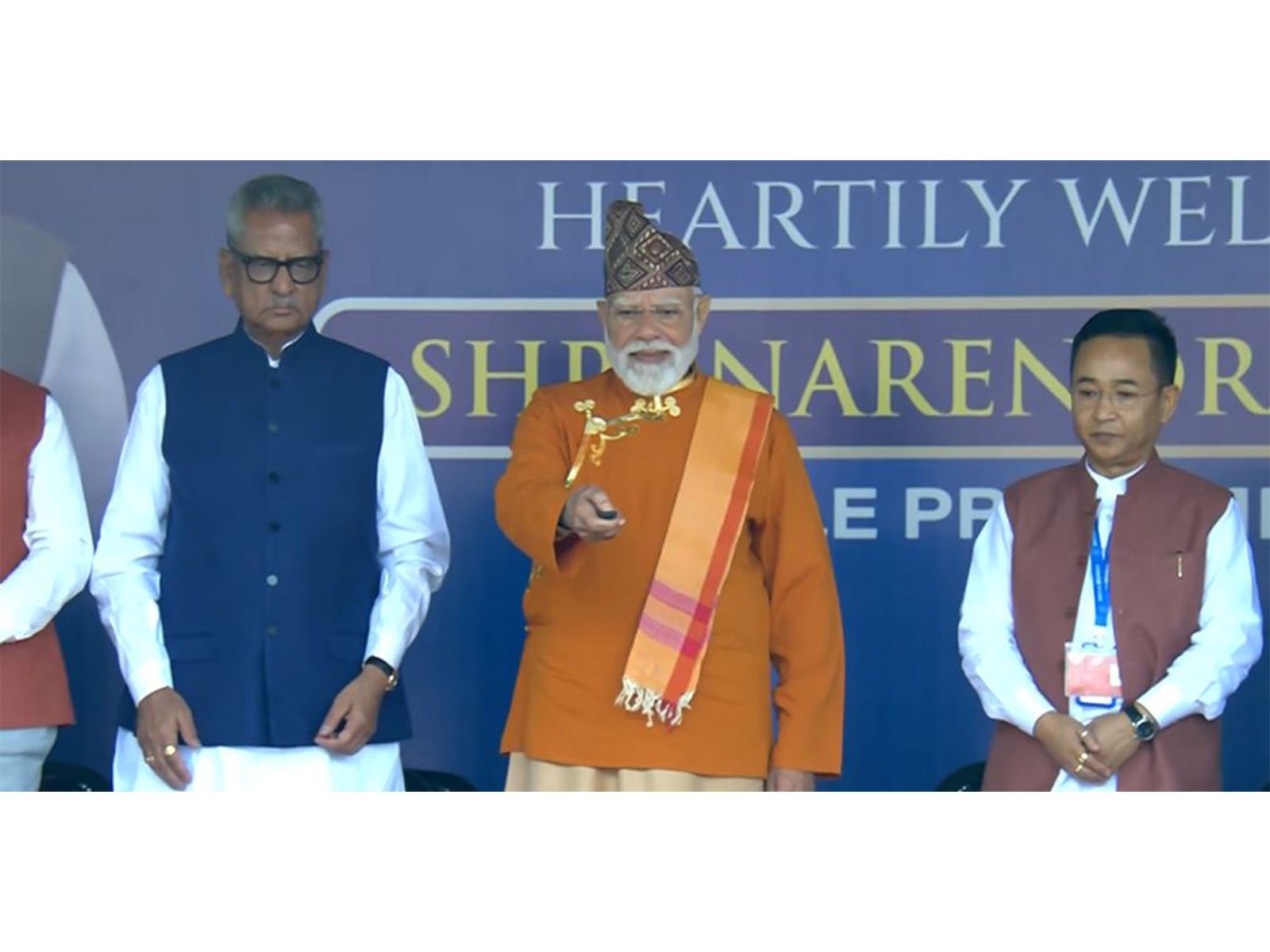
Gangtok, Sikkim | April 28, 2026
PM Modi Sikkim Projects 4000 Cr Initiative Begins New Chapter
The PM Modi Sikkim Projects 4000 Cr initiative has emerged as one of the most significant development announcements for the Himalayan state in recent years. Prime Minister Narendra Modi on Tuesday inaugurated and laid the foundation stone of multiple projects worth over ₹4,000 crore in Gangtok, marking the golden jubilee celebration of Sikkim’s statehood.
This large-scale rollout of infrastructure and welfare projects is expected to transform multiple sectors, including healthcare, education, connectivity, tourism, power supply, and urban development.
The PM Modi Sikkim Projects 4000 Cr initiative reflects a clear focus on inclusive and sustainable growth in the northeastern region, aligning with the broader national vision of balanced development.
Golden Jubilee Celebration and Strategic Importance
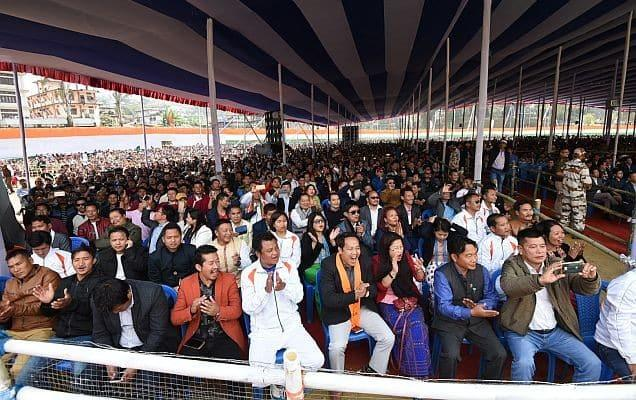
The announcement came during the closing ceremony of Sikkim’s 50th Statehood celebrations at Paljor Stadium. The occasion added emotional and historical significance to the event.
The PM Modi Sikkim Projects 4000 Cr program is not just about infrastructure—it represents recognition of Sikkim’s journey over five decades and its future potential.
By launching these projects during the jubilee year, the government aims to strengthen the state’s development trajectory and enhance its role in India’s growth story.
Healthcare Expansion Under PM Modi Sikkim Projects 4000 Cr
Healthcare remains a key pillar of the PM Modi Sikkim Projects 4000 Cr initiative.
Major developments include:
- 100-bedded Ayurveda Hospital at Yangang
- 30-bedded Integrated Sowa Rigpa Hospital at NIT Deorali
These facilities will strengthen traditional and integrative medicine systems, offering people more healthcare choices.
The expansion of healthcare infrastructure ensures better accessibility, especially in remote areas of Sikkim.
Education Revolution in PM Modi Sikkim Projects 4000 Cr
Education is another major focus area.
Under the PM Modi Sikkim Projects 4000 Cr initiative, several institutions have been inaugurated:
- Permanent campus of Sikkim University
- Netaji Subhash Chandra Bose University administrative block
- Helen Lepcha Medical College
- Dentam Professional College
Additionally, IT-enabled infrastructure will be implemented in 160 schools, bringing digital transformation to education.
These steps aim to improve quality education and create future-ready students.
Connectivity Boost: Roads and Bridges
Connectivity improvements form a critical part of the PM Modi Sikkim Projects 4000 Cr plan.
Key highlights:
- Steel arch bridges over River Teesta
- Road upgrade from Birdhang to Namchi
These projects will reduce travel time, improve logistics, and enhance inter-district connectivity.
Better connectivity will also support tourism and economic activities.
Power Infrastructure Strengthening
Reliable electricity is essential for development.
The PM Modi Sikkim Projects 4000 Cr initiative includes:
- Upgradation of Transmission & Distribution network
This will ensure stable power supply across Gangtok and nearby areas, supporting both households and businesses.
Urban Development and Housing
Urban infrastructure is being upgraded significantly.
Projects include:
- Jan Seva Sachivalaya (Mini Secretariat)
- Civil Service Officers Institute
- Affordable housing schemes
- Police housing and staff quarters
The PM Modi Sikkim Projects 4000 Cr program aims to improve living standards and administrative efficiency.
Environment and Sustainability Focus
Environmental sustainability is a major component.
Key initiatives:
- Sewerage system rehabilitation in Singtam
- River pollution abatement projects
These efforts will protect natural resources and improve sanitation systems.
Sikkim, known for its eco-friendly policies, will benefit greatly from these projects.
Tourism Growth Under PM Modi Sikkim Projects 4000 Cr
Tourism is a major economic driver in Sikkim.
Projects include:
- Ridge redevelopment in Gangtok
- Eco-tourism infrastructure at Dodak
- Kailash Mansarovar Yatra facilities
- Eco-Pilgrimage Complex
The PM Modi Sikkim Projects 4000 Cr initiative will enhance tourist experiences and boost local businesses.
Agriculture and Farmer Support
Agriculture also receives a boost.
The inauguration of the IFFCO Processing Plant will:
- Strengthen agro-processing
- Improve farmer income
- Enhance value chains
This is expected to benefit rural communities significantly.
Youth and Sports Development
Sports infrastructure has also been included.
Indoor cricket facilities at Rangpo aim to:
- Encourage youth participation
- Promote sports culture
The PM Modi Sikkim Projects 4000 Cr initiative recognizes the importance of youth engagement.
Economic Impact of PM Modi Sikkim Projects 4000 Cr
The overall impact of these projects is expected to be substantial:
- Job creation across sectors
- Boost in tourism revenue
- Improved infrastructure
- Better public services
The PM Modi Sikkim Projects 4000 Cr program will contribute to long-term economic growth.
Strategic Importance for Northeast India
Sikkim plays a crucial role in India’s northeastern strategy.
The PM Modi Sikkim Projects 4000 Cr initiative strengthens:
- Border infrastructure
- Regional connectivity
- Economic integration
This aligns with India’s broader vision for the Northeast.
Challenges and Implementation
While the announcement is significant, execution remains key.
Challenges may include:
- Terrain difficulties
- Weather conditions
- Resource management
However, with proper planning, the PM Modi Sikkim Projects 4000 Cr initiative can overcome these hurdles.
A Transformational Step Forward
The PM Modi Sikkim Projects 4000 Cr initiative marks a major milestone in the development of Sikkim.
By focusing on multiple sectors simultaneously, the government aims to create a holistic growth model.
As these projects move from announcement to execution, their real impact will become visible in the coming years.
For the people of Sikkim, this initiative represents hope, opportunity, and progress.
PM Modi Sikkim Orchidarium Visit: 10 Stunning Highlights from Gangtok Floral Heritage Tour
The PM Modi Sikkim Orchidarium Visit has drawn national attention as Prime Minister Narendra Modi explored the rich ecological and floral diversity of Sikkim during his official trip. The visit to the Orchidarium in Gangtok highlighted the state’s unique biodiversity and reinforced its identity as one of India’s most environmentally conscious regions.
This PM Modi Sikkim Orchidarium Visit comes at a time when the state celebrates its 50th year of statehood, making the occasion even more significant.
A Walk Through the Orchidarium: A Visual Delight
The centerpiece of the PM Modi Sikkim Orchidarium Visit was the Swarnajayanti Maitri Manjari Park, which has been developed as a world-class Orchid Experience Centre.
Sikkim is home to more than 500 species of orchids, making it one of the richest orchid habitats in the world. During the visit, the Prime Minister witnessed a wide variety of rare and exotic orchids, many of which are found only in the Himalayan region.
The PM Modi Sikkim Orchidarium Visit emphasized how these flowers are not just decorative but are also crucial to the ecological balance of the region.
Why Sikkim’s Orchidarium Matters
The PM Modi Sikkim Orchidarium Visit highlighted the importance of biodiversity conservation. Sikkim has long been known for its organic farming practices and eco-friendly policies.
The Orchidarium serves multiple purposes:
- Conservation of rare species
- Promotion of eco-tourism
- Education and research
- Cultural representation of flora
Through the PM Modi Sikkim Orchidarium Visit, the government aims to bring national attention to these efforts.
Leaders Accompanying the Visit
During the PM Modi Sikkim Orchidarium Visit, the Prime Minister was accompanied by:
- Om Prakash Mathur
- Prem Singh Tamang
Their presence reflected the importance of the visit and the collaborative approach between the central and state governments.
Floral Heritage of Sikkim: A Natural Treasure
The PM Modi Sikkim Orchidarium Visit brought attention to Sikkim’s unmatched floral heritage.
The Himalayan climate allows a wide variety of flowers to flourish. Orchids, in particular, hold cultural and economic significance in the region.
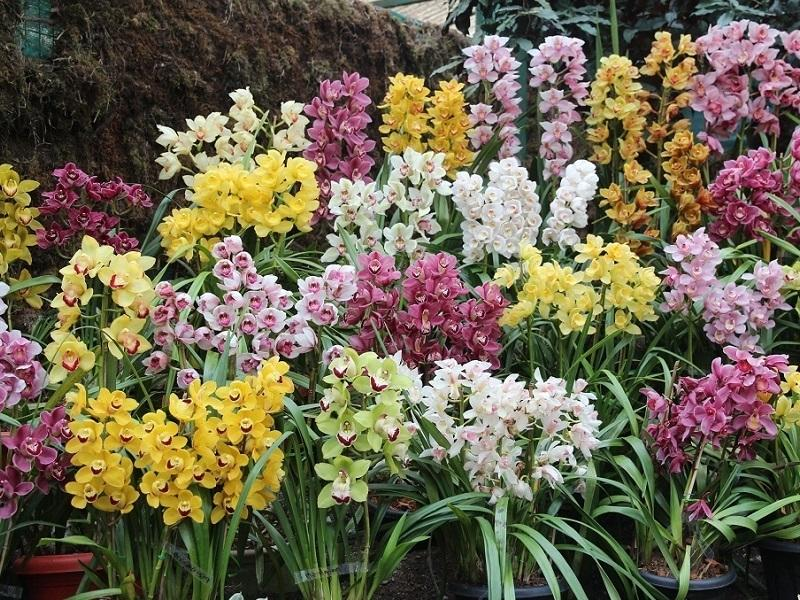
The visit showcased how these flowers contribute to:
- Tourism growth
- Local livelihoods
- Environmental sustainability
Connection with Sikkim Statehood Celebrations
The PM Modi Sikkim Orchidarium Visit is part of a larger itinerary linked to Sikkim’s Golden Jubilee celebrations.
The Prime Minister is also scheduled to:
- Attend the closing ceremony at Paljor Stadium
- Launch projects worth ₹4,000 crore
This makes the PM Modi Sikkim Orchidarium Visit both symbolic and strategic.
Development Push Alongside Cultural Recognition
While the PM Modi Sikkim Orchidarium Visit focused on ecology, it also aligns with broader development goals.
Projects announced include:
- Healthcare infrastructure
- Educational institutions
- Road and bridge connectivity
- Tourism infrastructure
The visit shows a balanced approach—preserving nature while promoting development.
Educational and Research Opportunities
The Orchidarium is not just a tourist attraction.
The PM Modi Sikkim Orchidarium Visit highlighted its role in:
- Botanical research
- Student education
- Environmental awareness
Such initiatives can inspire future generations to protect biodiversity.
Boost to Eco-Tourism
Tourism is a major pillar of Sikkim’s economy.
The PM Modi Sikkim Orchidarium Visit is expected to:
- Increase tourist footfall
- Promote eco-friendly tourism
- Create local employment
By showcasing the Orchidarium, the government is positioning Sikkim as a global eco-tourism destination.
Interaction with Padma Awardees
Before the PM Modi Sikkim Orchidarium Visit, the Prime Minister interacted with Padma awardees.
He shared insights on social media, emphasizing meaningful discussions with individuals from diverse fields.
This reflects the government’s focus on recognizing talent and contributions.
Infrastructure Development Linked to Visit
The PM Modi Sikkim Orchidarium Visit also coincides with major infrastructure announcements.
Key sectors include:
- Power supply improvements
- Urban development
- Housing initiatives
These developments aim to improve quality of life for residents.
Connectivity Improvements
Improved connectivity is crucial for tourism and development.
Projects linked to the visit include:
- Bridges over River Teesta
- Road upgrades
The PM Modi Sikkim Orchidarium Visit indirectly supports these initiatives by boosting tourism demand.
Agriculture and Local Economy
Sikkim’s economy benefits from agriculture and horticulture.
The Orchidarium plays a role in:
- Promoting floriculture
- Supporting farmers
- Enhancing exports
The PM Modi Sikkim Orchidarium Visit highlights these opportunities.
Environmental Sustainability Focus
Sikkim is known for its green policies.
The PM Modi Sikkim Orchidarium Visit reinforces:
- Organic farming
- Conservation efforts
- Sustainable tourism
This aligns with India’s broader environmental goals.
Economic Impact of the Visit
The PM Modi Sikkim Orchidarium Visit is expected to have long-term benefits:
- Increased tourism revenue
- Job creation
- Infrastructure growth
- Global recognition
Strategic Importance of Sikkim
Sikkim holds strategic importance due to its location.
The PM Modi Sikkim Orchidarium Visit also highlights:
- Border development
- Regional connectivity
- National integration
Public Response and Significance
The visit has been widely appreciated.
People see the PM Modi Sikkim Orchidarium Visit as:
- Recognition of Sikkim’s culture
- Boost to local pride
- Step toward development
A Blend of Nature and Progress
The PM Modi Sikkim Orchidarium Visit is more than just a tour—it represents a vision.
It combines:
- Cultural appreciation
- Environmental awareness
- Economic development
As Sikkim celebrates 50 years of statehood, this visit marks a new beginning.
A Visit That Felt Personal, Not Just Political
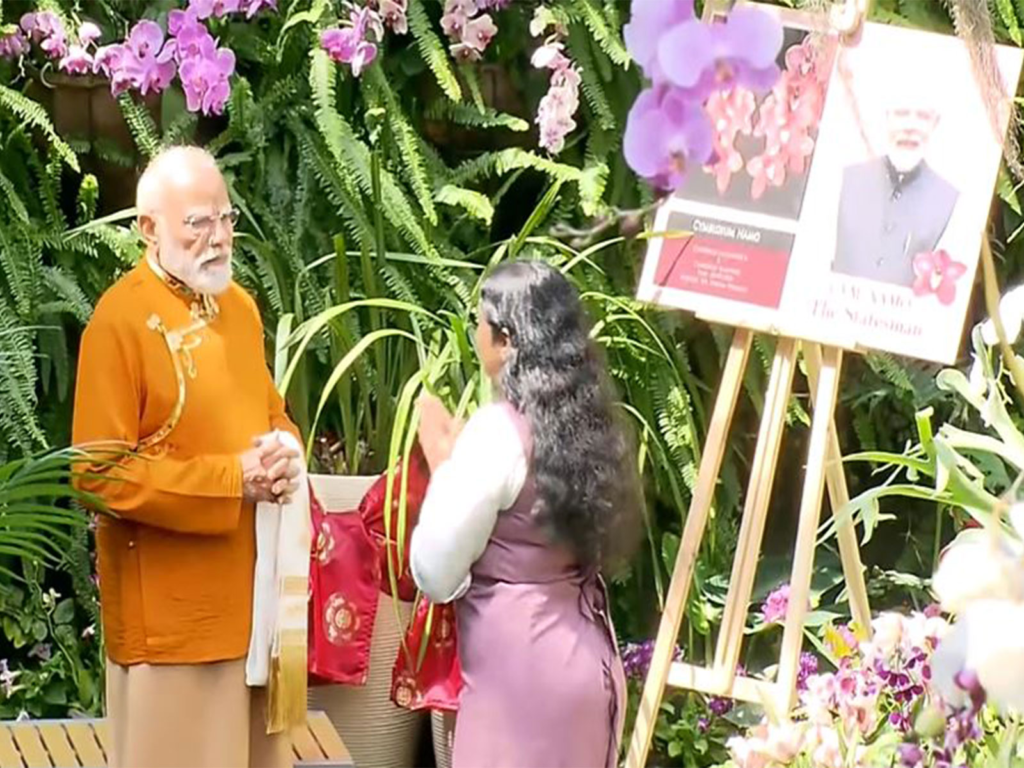
When Prime Minister Narendra Modi walked through the Orchidarium in Gangtok, it didn’t feel like a routine government visit. It felt slower, more observant—almost like someone taking in the quiet beauty of a place rather than just inspecting it.
The PM Modi Sikkim Orchidarium Visit stood out for this very reason. Instead of rushing through, he spent time looking closely at the orchids, speaking with officials, and understanding how Sikkim has managed to preserve such delicate biodiversity in a fast-changing world.
At the same time, this visit wasn’t only about flowers or scenic views. It was deeply connected to something bigger—Sikkim’s journey over the last 50 years and what lies ahead.
Orchids, Identity, and the Soul of Sikkim
Sikkim is not just another hill state. It carries a strong identity built around nature, discipline, and sustainability. And nowhere is that more visible than in its orchids.
The Orchidarium that PM Modi visited is not just a display center. It represents years of effort by the state to protect rare species and build awareness around them. Walking through rows of vibrant blooms—some tiny, some elaborate—it becomes clear why Sikkim is often called India’s biodiversity jewel.
During the PM Modi Sikkim Orchidarium Visit, officials explained how many of these species are unique to the Himalayan region. Some cannot survive anywhere else. That makes their conservation even more important.
There’s also a human side to this. Local communities are deeply connected to these plants. For them, orchids are not just decorative—they are part of culture, livelihood, and pride.
More Than a Visit: A Signal of Recognition
For a long time, smaller states like Sikkim often felt overlooked in national conversations. Visits like this change that perception.
The PM Modi Sikkim Orchidarium Visit sent a clear message—that even the smallest states, when they preserve their identity and work with discipline, become central to India’s growth story.
And this wasn’t just symbolic. It came alongside a major development push.
₹4,000 Crore Push: Development Meets Vision
While the orchids captured attention, the bigger story unfolded at Paljor Stadium, where the Prime Minister launched and inaugurated projects worth over ₹4,000 crore.
This included initiatives across:
- Healthcare
- Education
- Infrastructure
- Tourism
- Urban development
It’s rare to see such a wide spread of sectors addressed in one go. But here, it made sense. Sikkim doesn’t need just one type of development—it needs balanced growth.
The PM Modi Sikkim Orchidarium Visit and these project announcements together created a strong contrast: nature on one side, infrastructure on the other—and both moving forward together.
Healthcare and Education: Quiet but Powerful Changes
Among the announcements, some of the most impactful ones might not make headlines immediately—but they matter the most.
A 100-bed Ayurveda hospital and a Sowa Rigpa facility may sound niche, but in a state like Sikkim, they can transform access to healthcare, especially in remote areas.
Similarly, new colleges, residential schools, and IT-enabled education systems are long-term investments. They don’t show results overnight, but they shape the next generation.
During the visit, it was clear that this wasn’t just about building structures—it was about creating opportunities.
Connectivity: The Real Game Changer
Anyone who has travelled in the hills knows that connectivity is everything.
Bridges over the Teesta River and upgraded roads might sound like technical projects, but they directly impact daily life—reducing travel time, improving trade, and making tourism easier.
The PM Modi Sikkim Orchidarium Visit indirectly highlighted this as well. After all, for people to experience places like the Orchidarium, they need better access.
Tourism: From Beauty to Economy
Sikkim has always been beautiful. The difference now is that it is learning to turn that beauty into sustainable income.
The Orchidarium, eco-tourism projects, pilgrimage routes, and improved infrastructure are all pieces of the same puzzle.
The PM Modi Sikkim Orchidarium Visit will likely draw more attention to the state. And with better facilities, that attention can translate into real economic benefits for locals.
A Moment of Balance: Nature vs Development
One of the most striking things about this visit was balance.
In many places, development comes at the cost of nature. But Sikkim seems to be trying something different—growing without losing its identity.
The Prime Minister’s visit reinforced this approach. By giving equal importance to orchids and infrastructure, the message was clear: both matter.
The Human Side of the Visit
Beyond the announcements and official programs, there were small moments that stood out.
Interactions with Padma awardees, conversations with locals, and even the way the Prime Minister observed the surroundings—it all added a human touch to the visit.
It reminded people that governance is not just about policies, but also about connection.
Why This Visit Matters in the Long Run
The PM Modi Sikkim Orchidarium Visit may seem like just another entry in a busy political calendar. But it has deeper implications.
- It brings national attention to a small but important state
- It highlights sustainable development as a model
- It strengthens the idea that growth and conservation can go together
Most importantly, it builds confidence among people that their region matters.
Looking Ahead: A New Phase for Sikkim
As Sikkim celebrates 50 years of statehood, this visit feels like a transition point.
The past was about building identity.
The present is about strengthening it.
The future will be about expanding it—without losing what makes Sikkim unique.
The orchids, in a way, symbolize this perfectly. They are delicate, but resilient. Rare, but enduring.
A Visit That Blended Emotion, Vision, and Action
The PM Modi Sikkim Orchidarium Visit was not just about flowers or projects. It was about understanding a place, respecting its identity, and planning its future.
It showed that development doesn’t always have to be loud or aggressive. Sometimes, it can be thoughtful, balanced, and rooted in tradition.
And if Sikkim continues on this path, it may well become a model for the rest of the country.
About The Author