
 admin
admin 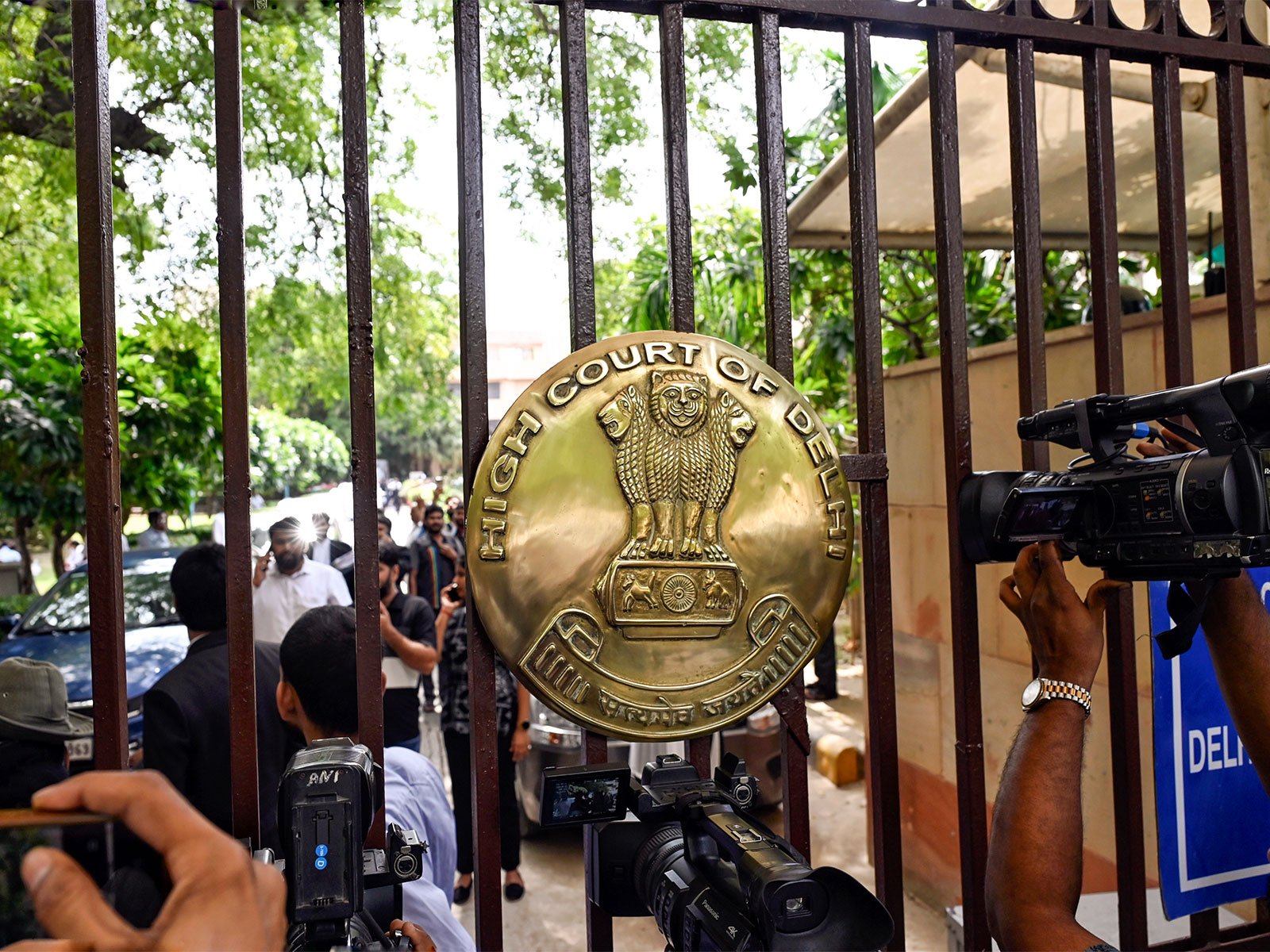
The Delhi High Court has once again granted interim protection to Wing Commander Niketa Pandey by extending the stay on her release from the Indian Air Force (IAF), marking a significant development in a closely watched service dispute. The court also directed the Air Force authorities to submit their response within seven days, intensifying judicial scrutiny over the ongoing matter concerning her service continuation and claim for permanent commission.
The matter revolves around what has now become widely discussed as the IAF officer release stay, where the officer is contesting her release order issued during pending litigation before the Armed Forces Tribunal (AFT).
Court’s Direction and Latest Order
A bench led by Justice Mini Pushkarna considered the plea filed by Wing Commander Niketa Pandey seeking extension of interim protection. After hearing arguments, the court decided to extend the stay on her release and required the concerned authorities to respond within a week.
The court has listed the matter for further hearing on July 10, indicating that the issue will continue to remain under judicial consideration for the time being. The development further strengthens the ongoing IAF officer release stay proceedings, as the petitioner continues to seek protection from being discharged before the final adjudication of her claim.
Background of the Case
Wing Commander Niketa Pandey, who has served in the Indian Air Force for nearly 15 years, has challenged her release order, arguing that it was issued arbitrarily while her case was still pending before the Armed Forces Tribunal.
Her primary demand is the grant of permanent commission in the IAF, which she claims is essential for her continued service and career progression. The dispute gained urgency after the Air Force issued a release order on June 3, despite ongoing legal proceedings.
The petitioner argued that this action would render her legal claim meaningless if she is removed from service before the tribunal decides her case. This argument forms the core of the IAF officer release stay litigation.
Arguments Presented Before the Court
Advocate Astha Sharma, representing Wing Commander Niketa Pandey, informed the court that the release order was issued during the pendency of proceedings before the Armed Forces Tribunal and therefore lacked procedural fairness.
She further submitted that the Tribunal had earlier rejected an application seeking interim protection from release. Following this, the petitioner approached the Delhi High Court seeking urgent relief.
A key point raised in court was that the petitioner had served in critical operational roles, including participation in major missions such as Operation Balakot and Operation Sindoor. It was argued that her premature release would cause irreversible professional and personal harm.
These arguments played a central role in strengthening the case for the IAF officer release stay, which the High Court has now extended once again.
Petitioner’s Stand
According to the petition, Wing Commander Niketa Pandey contends that she has consistently served the nation with distinction and should not be discharged while her claim for permanent commission remains undecided.
She also argued that even the Supreme Court had previously directed her to approach appropriate forums such as the Armed Forces Tribunal or High Court for relief. However, despite this, the Air Force proceeded with issuing the release order.
The petitioner claims that this administrative action ignored judicial protections and created an urgent need for intervention, resulting in the current IAF officer release stay being granted by the High Court.
Tribunal Proceedings and Legal Complexity
The Armed Forces Tribunal had earlier declined to grant interim protection, stating procedural limitations and timing issues related to the petitioner’s application.
The tribunal’s refusal led to the escalation of the matter before the Delhi High Court. The petitioner’s argument is that the release order should not have been enforced without seeking clarification or modification from a competent judicial authority.
This procedural dispute has become central to the ongoing IAF officer release stay case, as both administrative and judicial interpretations of interim protection are being examined.
High Court’s Observation
The Delhi High Court, while extending protection, did not pass final judgment on the merits of the case but emphasized the need for a detailed response from the Air Force authorities.
The bench observed that the issue requires careful examination, particularly because it involves service rights, judicial directions, and administrative decisions intersecting simultaneously.
By extending the IAF officer release stay, the court ensured that the petitioner remains in service until the next hearing, preventing irreversible consequences.
Key Legal Issues Involved
Several important legal questions arise from this case:
- Whether the release order violated pending judicial proceedings
- Whether interim protection granted by higher courts remained effective
- Whether the Armed Forces Tribunal correctly interpreted prior Supreme Court directions
- Whether administrative authorities acted prematurely in issuing discharge orders
Each of these issues is now under scrutiny as part of the ongoing IAF officer release stay proceedings before the Delhi High Court.
Next Hearing and Expectations
The matter is scheduled for further hearing on July 10, where the court is expected to examine responses filed by the Air Force authorities.
Legal experts suggest that the outcome of this case could influence how similar disputes regarding service continuation and permanent commission are handled in the future.
Until then, the IAF officer release stay remains in effect, ensuring that Wing Commander Niketa Pandey continues to receive judicial protection from discharge.
The Delhi High Court’s decision to extend the interim stay has provided temporary relief to Wing Commander Niketa Pandey in her ongoing battle for permanent commission in the Indian Air Force. The court’s directive for a prompt response from authorities signals that the matter will be examined closely in the coming hearings.
As the legal process continues, the IAF officer release stay remains a key point of focus in a case that highlights the intersection of military service rules, judicial oversight, and individual rights within the armed forces.
About The Author