

 admin
admin 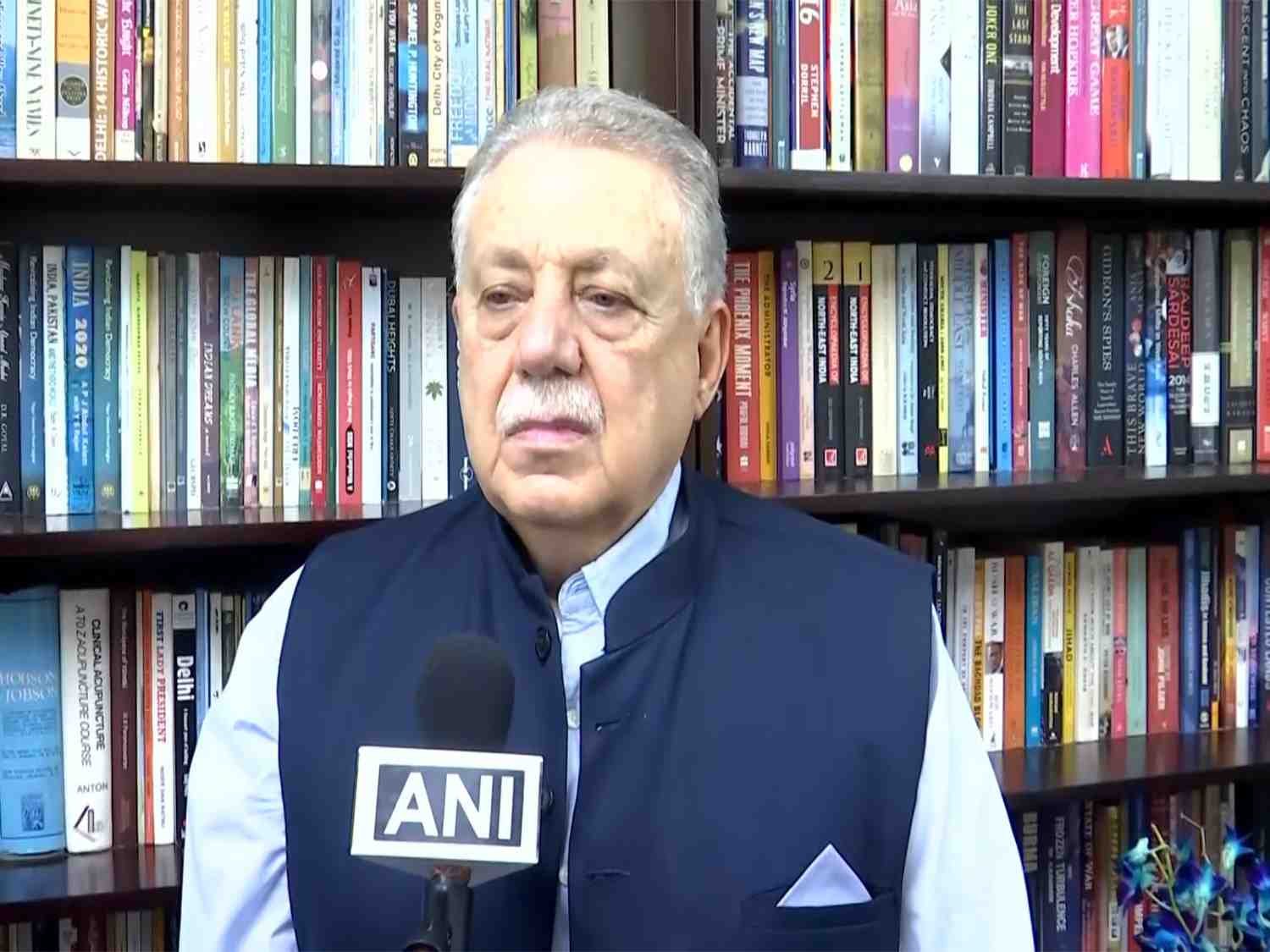
New Delhi, April 29, 2026 — US-Iran tensions Strait of Hormuz have sharply escalated, raising serious global concerns over trade disruption, maritime security, and diplomatic breakdown. The ongoing US Iran tensions Strait of Hormuz crisis highlights a critical geopolitical standoff where experts warn that without ending hostilities, meaningful negotiations between the United States and Iran are unlikely to take place.
Escalating Conflict Undermines Diplomatic Prospects Between US and Iran
According to Awwad, the current standoff reflects a deeper breakdown in diplomatic engagement, where both sides are entrenched in strategic posturing rather than constructive dialogue. He emphasized that negotiations require a foundation of stability and mutual trust, both of which are absent amid ongoing confrontations. The expert pointed out that the United States’ rejection of Iran’s proposal to de-escalate tensions signals a broader unwillingness to resolve the crisis through peaceful means.
Awwad argued that the continuation of hostilities has created a cycle of retaliation, with each side responding to the other’s actions in ways that further complicate diplomatic efforts. He described the situation as a dangerous stalemate, where economic pressure, military presence, and political rhetoric are overshadowing the possibility of negotiation. The lack of a ceasefire, he suggested, is the primary obstacle preventing any meaningful progress.
Strait of Hormuz Crisis Raises Global Trade Concerns
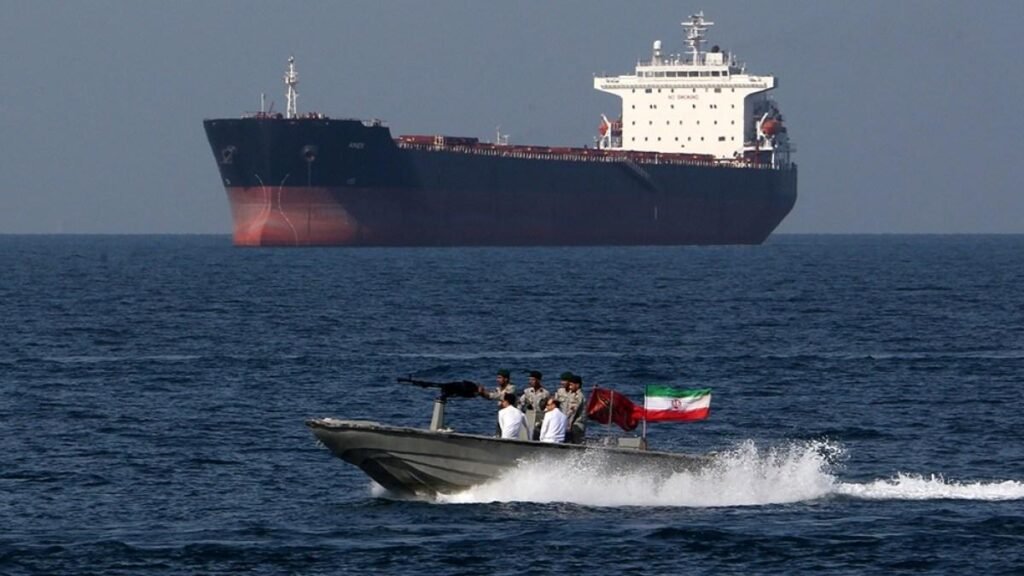
At the centre of the escalating tensions lies the strategic Strait of Hormuz, a critical artery for global oil transportation. Awwad highlighted that Iran’s decision to restrict access to the strait was a direct response to actions by the United States and its allies. Initially implementing partial restrictions, Iran eventually escalated to a complete closure following increased pressure on its maritime operations.
The closure has significant implications for global trade, as a substantial portion of the world’s oil supply passes through this narrow passage. Awwad warned that continued disruption could lead to severe economic consequences, including rising energy prices and instability in international markets. He stressed that the blockade is not merely a regional issue but a global concern affecting multiple economies.
Disputed Proposals and Strategic Distrust Deepen Crisis
The breakdown in negotiations is further compounded by disagreements over proposed solutions. Iran had reportedly suggested reopening the Strait of Hormuz on the condition that the blockade be lifted and hostile actions cease permanently. However, the United States rejected this proposal, citing concerns over conditions such as toll imposition and broader strategic implications.
Awwad noted that Iran’s demand for compensation and guarantees against future military escalation reflects its deep-seated mistrust. He added that Tehran remains wary of allowing the reopening of strategic routes without assurances that such actions would not be exploited for military advantage. This mutual suspicion continues to hinder diplomatic engagement, making resolution increasingly difficult.
Accusations of Maritime “Piracy” Intensify Diplomatic Fallout
The situation has further escalated with Iran formally approaching the United Nations, accusing the United States of engaging in acts of “piracy” following the seizure of Iranian vessels. In a letter addressed to UN Secretary-General Antonio Guterres, Iran’s envoy Amir Saeid Iravani argued that such actions violate international law and lack legitimate justification.
The complaint highlights the growing diplomatic rift and the potential for broader international involvement. Iran’s appeal to the United Nations signals an attempt to frame the issue within the context of global governance and legal norms. However, experts believe that unless both parties demonstrate willingness to de-escalate, such interventions may have limited impact.
Nuclear Issue Adds Complexity to US-Iran Relations
Beyond maritime tensions, the long-standing dispute over Iran’s nuclear program continues to complicate relations. Awwad pointed out that previous negotiations in Geneva had yielded progress, with agreements reportedly reached on several key issues. However, subsequent developments, including renewed hostilities, have undermined those efforts.
Iran has maintained that it intends to continue uranium enrichment at low levels for research and energy purposes, asserting that this falls within its rights under international law. The United States, on the other hand, has expressed concerns over the potential for nuclear proliferation, particularly regarding Iran’s stockpile of enriched uranium.
The disagreement over nuclear policy reflects broader strategic differences, with both sides unwilling to compromise on issues they consider vital to national security. Awwad suggested that resolving the nuclear dispute would require a comprehensive framework addressing not only technical aspects but also political and security concerns.
Global Implications and Economic Impact
The ongoing crisis between the United States and Iran has far-reaching implications beyond the immediate region. The disruption of trade routes, particularly through the Strait of Hormuz, poses a significant risk to global supply chains. Energy markets are particularly vulnerable, with potential fluctuations in oil prices affecting economies worldwide.
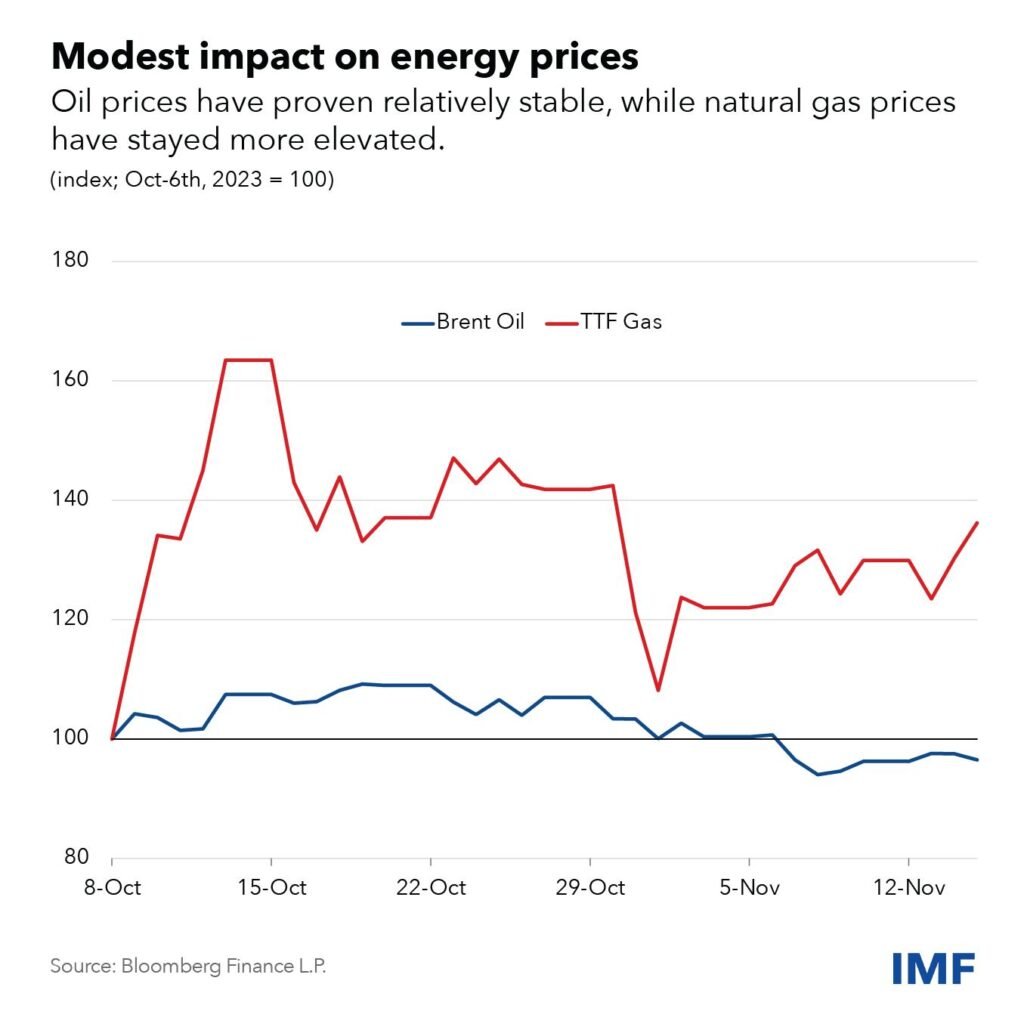
Awwad warned that continued escalation could lead to a broader economic downturn, as uncertainty in the region impacts investor confidence and international trade. He emphasized that the crisis is not isolated but interconnected with global economic stability, making its resolution a priority for the international community.
Uncertain Path Forward Amid Continued Hostilities
As tensions persist, the prospects for resolution remain uncertain. Awwad concluded that the current situation reflects a lack of strategic clarity and willingness to compromise on both sides. Without a clear commitment to ending hostilities, negotiations are unlikely to resume in any meaningful way.
The evolving dynamics between the United States and Iran highlight the challenges of balancing geopolitical interests with the need for stability and cooperation. While diplomatic channels remain open in principle, their effectiveness is limited by the ongoing conflict and mutual distrust.
The coming weeks are expected to be critical in determining whether the situation stabilizes or escalates further. For now, the absence of a ceasefire continues to cast a shadow over any hopes of renewed dialogue, leaving the international community closely monitoring developments in one of the world’s most sensitive geopolitical flashpoints.
US Iran Tensions Strait of Hormuz Intensify Amid Global Concerns
US Iran tensions Strait of Hormuz have escalated significantly, raising global concerns over trade disruption, maritime security, and geopolitical stability. The ongoing US-Iran tensions and and Strait of Hormuz crisis is being closely monitored as experts warn that negotiations between the United States and Iran cannot move forward without an immediate end to hostilities.
About The Author