
West Bengal Phase 2 Polling 2026: Mamata Banerjee Alleges Irregularities, Targets EC and Central Forces
 admin
admin 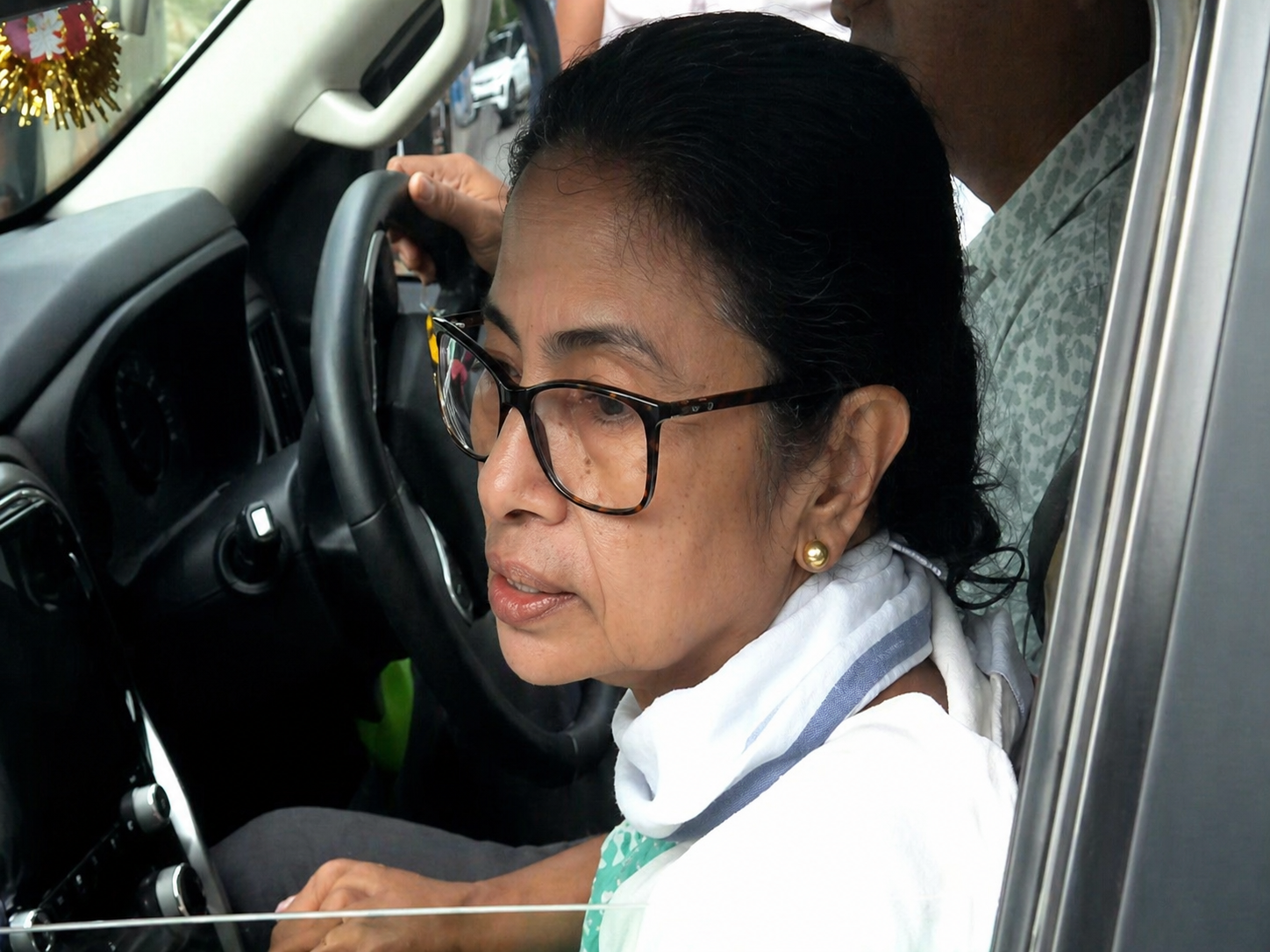
Kolkata, April 29, 2026 — West Bengal Phase 2 Polling 2026 began on Wednesday amid sharp political tensions, with Chief Minister Mamata Banerjee accusing central forces and election observers of bias and misconduct. As voters queued up across 142 constituencies in the crucial final phase of the Assembly elections, Banerjee alleged that officials “brought from outside” were acting under political influence, raising serious questions about the neutrality of the electoral process in West Bengal.
Mamata Banerjee’s Allegations Mark Early Tension in West Bengal Phase 2 Polling 2026
Speaking to reporters shortly after voting began, Mamata Banerjee claimed that the deployment of central forces, particularly the CRPF, was not in line with court directives. She stated that despite a court order, authorities were allegedly disregarding instructions, prompting her party to issue a contempt notice. According to Banerjee, several observers from outside the state were influencing the conduct of polling officials, adding that their actions appeared aligned with the interests of the Bharatiya Janata Party.
She further alleged that party posters had been removed and questioned the fairness of the election environment. Emphasizing that the democratic process should remain free from interference, Banerjee remarked that votes must be cast by citizens and not influenced by security forces or administrative pressure. Her remarks intensified the political narrative surrounding West Bengal Phase 2 Polling 2026, highlighting the deep mistrust between rival parties during this high-stakes contest.
Scale and Significance of West Bengal Phase 2 Polling 2026
The West Bengal Phase 2 Polling 2026 covers 142 out of 294 seats, making it the largest and most decisive phase of the elections. With approximately 3.21 crore voters eligible to participate, the scale of the democratic exercise is massive. The electorate includes over 1.64 crore male voters, 1.57 crore female voters, and members of the third gender community, reflecting the diversity of the state’s population.
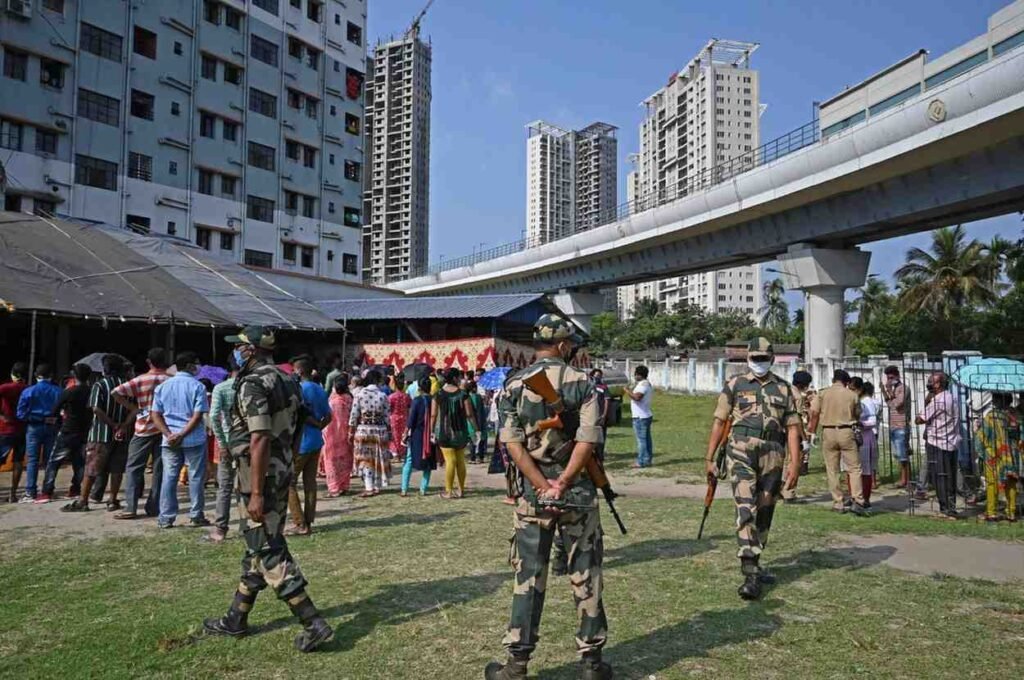
A total of 1,448 candidates are contesting in this phase, including 220 women candidates. Voting is taking place across 41,001 polling stations, of which more than 8,000 are managed entirely by women. These arrangements indicate a focused effort by the election authorities to ensure inclusivity and smooth conduct during West Bengal Phase 2 Polling 2026, despite the prevailing political tensions.
Security and Administrative Measures During West Bengal Phase 2 Polling 2026
Authorities have deployed extensive security measures to maintain law and order during West Bengal Phase 2 Polling 2026. Central Armed Police Forces have been stationed in sensitive areas, particularly in South Bengal and Kolkata, where political competition is intense. Polling stations are under strict surveillance, with webcasting implemented across all locations to ensure transparency.
The Election Commission of India has reiterated its commitment to conducting free and fair elections. Officials conducted mandatory mock polls before the start of voting to verify the functionality of Electronic Voting Machines (EVMs) and VVPAT systems. Early reports suggest that polling began smoothly in most areas, with voters turning out in significant numbers.
Political Context and High-Stakes Contest
The West Bengal Phase 2 Polling 2026 is widely seen as a litmus test for the ruling All India Trinamool Congress, particularly in its strongholds across South Bengal and urban constituencies like Kolkata. Mamata Banerjee, who is contesting from Bhabanipur, is aiming to retain political dominance in the state, while the BJP is aggressively attempting to expand its presence.
The political contest has been marked by intense campaigning, sharp rhetoric, and competing narratives around governance, development, and law and order. While the TMC highlights its welfare initiatives and regional leadership, the BJP has focused on issues such as corruption, security, and economic growth.
Voter Turnout and Emerging Trends
Following a strong voter turnout in the first phase, expectations remain high for West Bengal Phase 2 Polling 2026. Early visuals from polling stations showed voters lining up from the morning hours, indicating active public participation. Special arrangements for women, senior citizens, and persons with disabilities have further facilitated the voting process.
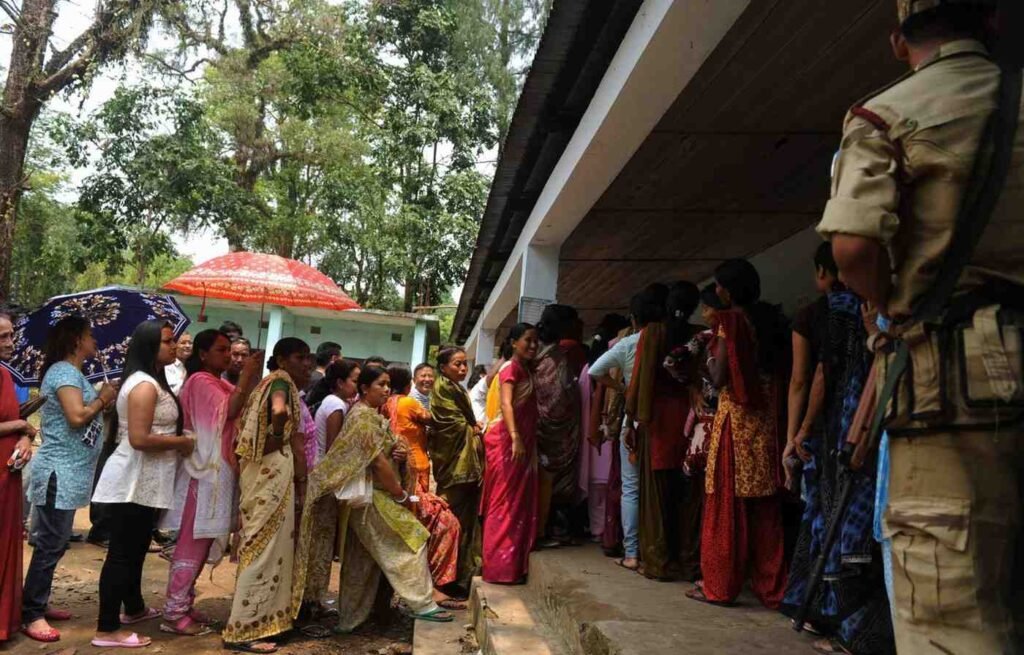
Despite isolated allegations and political tensions, the overall voting process appears to be progressing under strict monitoring. Authorities have assured that any complaints or disruptions will be addressed promptly to maintain the integrity of the elections.
Crucial Phase to Decide Bengal’s Political Future
As the day progresses, West Bengal Phase 2 Polling 2026 continues to draw national attention due to its scale, political intensity, and potential impact on the state’s future. The allegations raised by Mamata Banerjee have added a new dimension to the electoral narrative, underscoring the challenges of conducting elections in a highly competitive environment.
The results, scheduled to be announced on May 4, will not only determine the next government in West Bengal but also shape the broader political landscape ahead of future elections. With both major parties staking their claims, the outcome of West Bengal Phase 2 Polling 2026 is expected to be a defining moment in the state’s political journey.
About The Author