
Amit Shah Urges Record Turnout as High-Stakes West Bengal Phase-2 Polling Begins Across 142 Seats
 admin
admin 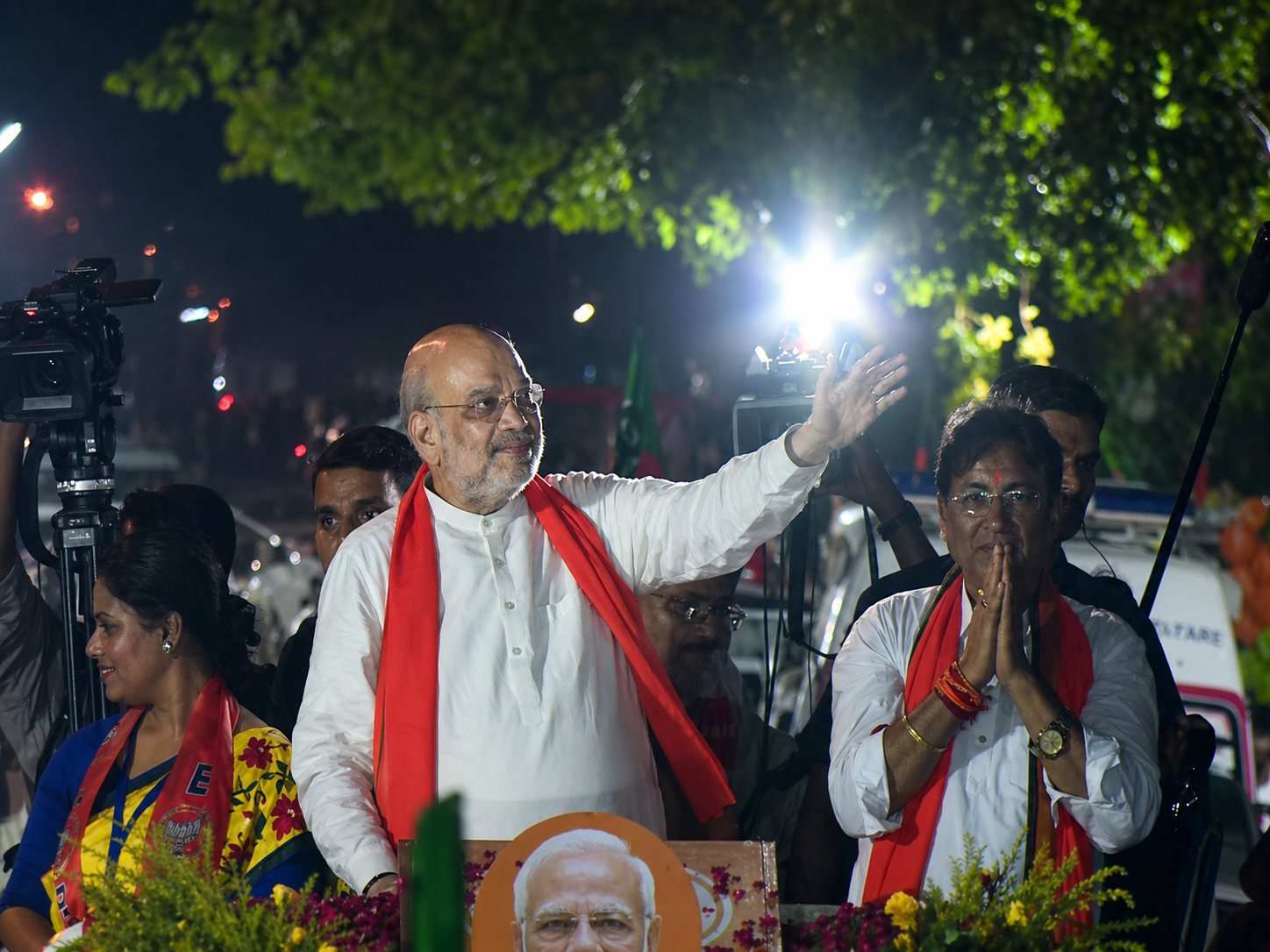
New Delhi/Kolkata, April 29, 2026: The second and final phase of the West Bengal Assembly Elections 2026 began on Wednesday amid tight security, high political stakes, and strong appeals from top leaders urging voters to participate in large numbers. Union Home Minister Amit Shah called upon citizens, particularly women and youth, to cast their votes in record numbers, framing the election as a decisive moment for the future of West Bengal.
High Stakes in Final Phase Across 142 Constituencies
This phase covers 142 out of the total 294 assembly constituencies, making it one of the most crucial electoral exercises in the state’s recent political history. With nearly half of the seats going to polls in a single day, political observers consider this phase a decisive battleground that could significantly shape the final outcome. The regions voting today include key areas in South Bengal and Kolkata, which have traditionally been considered strongholds of the ruling All India Trinamool Congress.
The scale of the election is massive, with approximately 3.21 crore voters eligible to cast their ballots. This includes over 1.64 crore male voters, 1.57 crore female voters, and a small but significant number of third-gender voters. A total of 1,448 candidates are in the fray, including 220 women candidates, highlighting both the diversity and competitiveness of the contest. Polling is being conducted across more than 41,000 polling stations, reflecting the logistical complexity of the exercise.
Amit Shah’s Call for “Sonar Bangla” and Development Agenda
In his appeal on social media platform X, Amit Shah emphasized the importance of this phase as an opportunity to bring about political and developmental change. He urged voters to reject what he described as governance marked by fear, corruption, and syndicate culture, and instead vote for a future focused on development, safety, and opportunity. His vision of “Sonar Bangla” underscores the Bharatiya Janata Party’s campaign narrative centered around economic growth, improved law and order, and strict action against illegal infiltration.
Shah specifically highlighted women’s safety as a key electoral issue, appealing directly to mothers and sisters across the state to participate actively in the democratic process. He also emphasized the aspirations of the youth, positioning the election as a turning point for job creation, infrastructure development, and overall progress.
Extensive Security and Election Arrangements in Place
Authorities have implemented elaborate arrangements to ensure free and fair polling. Security has been significantly tightened across sensitive constituencies, with heavy deployment of Central Armed Police Forces (CAPF). Multi-layered security perimeters have been established around polling booths, especially in areas identified as politically sensitive.
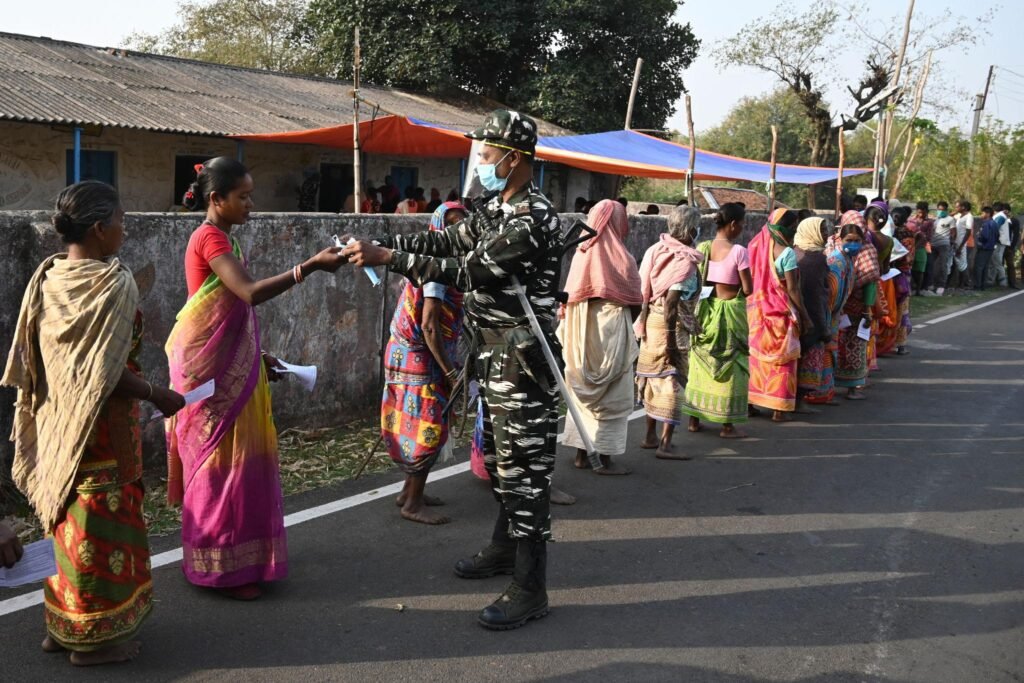
Polling stations across districts such as Kolkata, South 24 Parganas, and Howrah witnessed heightened vigilance from early morning. At locations like Kolkata Port and Canning, security forces maintained strict control to prevent any disruptions. The Election Commission has adopted a zero-tolerance approach toward electoral malpractices, including booth capturing and voter intimidation.
In addition to security measures, technological arrangements have also been strengthened. All polling stations are equipped with webcasting facilities, enabling real-time monitoring of voting activities. This move is aimed at increasing transparency and building public trust in the electoral process.
Smooth Start with Mock Polls and Technical Checks
Before the commencement of voting, mandatory mock polls were conducted across polling stations to ensure the proper functioning of Electronic Voting Machines (EVMs) and Voter Verifiable Paper Audit Trail (VVPAT) systems. Election officials, along with representatives of political parties, participated in these checks to verify the accuracy and reliability of the voting process.
Early morning visuals from multiple constituencies showed election officials actively preparing booths and conducting final inspections. Locations such as Baranagar, Shibpur, and Ballygunge reported smooth completion of mock polls, indicating a well-prepared administrative setup.
Political Battle Intensifies Between TMC and BJP
The second phase is widely viewed as a litmus test for Chief Minister Mamata Banerjee and her party, the All India Trinamool Congress. With voting taking place in regions considered to be TMC strongholds, the outcome will be crucial in determining whether the party can retain its dominance.
At the same time, the Bharatiya Janata Party is making a strong push to expand its presence in the state. The party has focused its campaign on issues such as governance, corruption, law and order, and development, aiming to attract voters seeking change. The contest between the two major parties has intensified political polarization, making this election one of the most closely watched in recent years.
Voter Turnout and Public Response
The first phase of polling witnessed a record turnout, setting a positive tone for the final phase. Early reports from Wednesday indicated steady voter participation, with long queues forming at several polling stations. Voters from diverse backgrounds, including first-time voters, women, and elderly citizens, were seen actively participating in the democratic process.
Special arrangements have been made to facilitate voting for persons with disabilities (PWDs), senior citizens, and women voters. Over 8,800 polling stations are being managed entirely by women, showcasing efforts toward gender inclusivity in election management. Additionally, model polling stations equipped with better amenities have been set up to enhance voter experience.
Reports of Tension and Allegations in Some Areas
Despite extensive security arrangements, reports of tension and isolated incidents have emerged from certain regions. Allegations of voter intimidation and clashes between party workers have been reported, particularly in parts of South 24 Parganas. Political leaders have raised concerns over fair access to polling stations, while election authorities have assured that all necessary measures are being taken to address such issues promptly.
Officials have reiterated their commitment to ensuring a peaceful and transparent voting process. Rapid response teams and additional security personnel have been deployed in sensitive areas to prevent escalation of conflicts.
National Significance and Upcoming Results
The outcome of the West Bengal Assembly Elections 2026 holds national significance, as it is expected to influence political strategies and alliances across the country. Alongside West Bengal, election results from Assam, Kerala, Tamil Nadu, and Puducherry will also be announced on May 4.
Political analysts believe that the results will not only determine the future leadership of West Bengal but also provide insights into voter sentiment on key issues such as development, governance, and national security. The election is being closely watched by political observers, parties, and citizens alike.
As voting continues across the state, all eyes are now on voter turnout figures and regional trends that will shape the final verdict. Whether the ruling party retains power or a new political force emerges, the results of this election are set to redefine the political landscape of West Bengal in the coming years.
About The Author