
 admin
admin 
Strait of Hormuz Bargaining Chip Warning 2026: Qatar Issues Strong Message During US–Iran Deadlock
Doha, April 29, 2026
The Strait of Hormuz Bargaining Chip Warning 2026 has emerged as a major geopolitical development as Qatar strongly urged that the strategically vital waterway must not be used as a tool for political leverage. The statement comes at a time when tensions between United States and Iran continue to escalate, with diplomatic negotiations showing little progress.
Qatar’s intervention highlights growing regional concerns that the Strait of Hormuz—one of the world’s most critical energy corridors—could become a flashpoint in the ongoing geopolitical crisis.
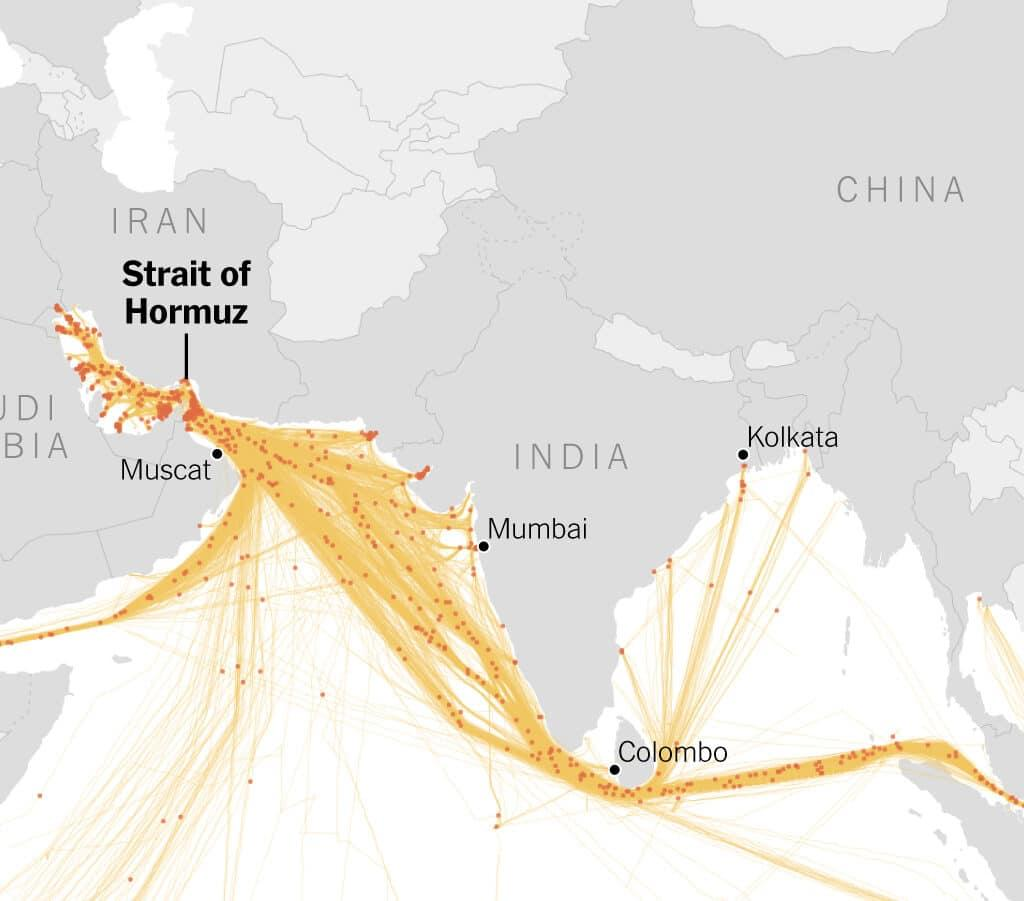
Why the Strait of Hormuz Matters Globally
The Strait of Hormuz Bargaining Chip Warning 2026 carries immense significance because of the strategic importance of the waterway. The Strait serves as:
- A primary route for global oil shipments
- A critical link between the Persian Gulf and international markets
- A chokepoint affecting energy prices worldwide
Nearly one-fifth of the world’s oil supply passes through this narrow passage. Any disruption here could trigger:
- Global fuel price spikes
- Economic instability
- Supply chain disruptions
This is why Qatar’s warning in the Strait of Hormuz Bargaining Chip Warning 2026 is being taken seriously across international diplomatic circles.
Qatar’s Firm Diplomatic Position
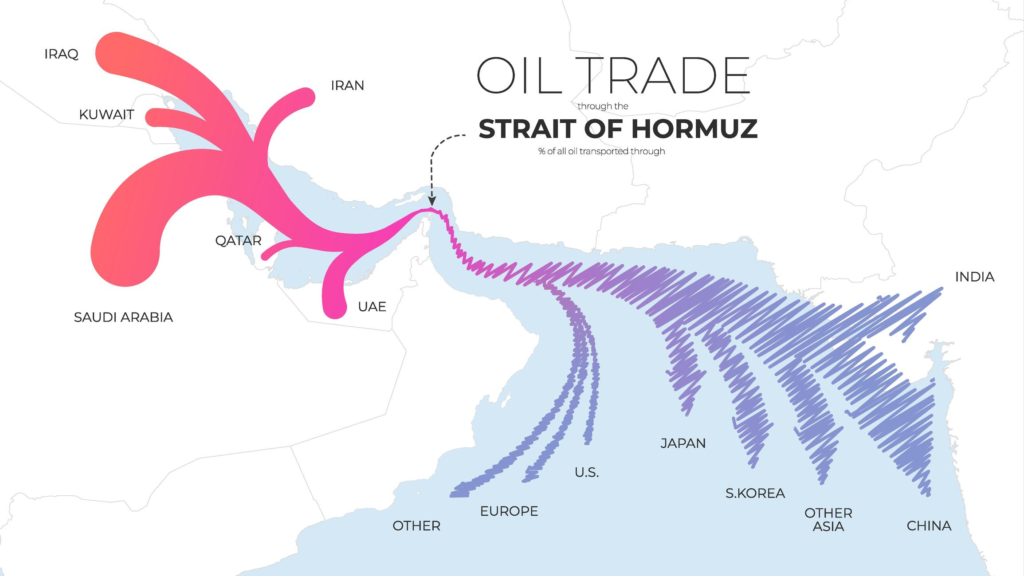
During a press briefing, Qatar’s Foreign Ministry spokesperson emphasized that the Strait should remain free from geopolitical manipulation.
The Strait of Hormuz Bargaining Chip Warning 2026 specifically stressed:
- Maritime routes must remain neutral
- Shipping lanes should not be weaponised
- Diplomatic negotiations must avoid economic pressure tactics
Qatar’s message reflects its role as a mediator in regional conflicts and its commitment to maintaining stability in the Gulf.
US–Iran Tensions Behind the Warning
The Strait of Hormuz Bargaining Chip Warning 2026 comes against the backdrop of escalating tensions between the United States and Iran.
Key developments include:
- US naval blockade operations in the region
- Seizure of Iranian-linked vessels
- Military posturing in the Gulf
Iran has strongly criticised these actions, calling them illegal and accusing Washington of violating international law.
Iran Raises Legal Challenge at the United Nations
The Strait of Hormuz Bargaining Chip Warning 2026 also coincides with a major legal confrontation at the United Nations.
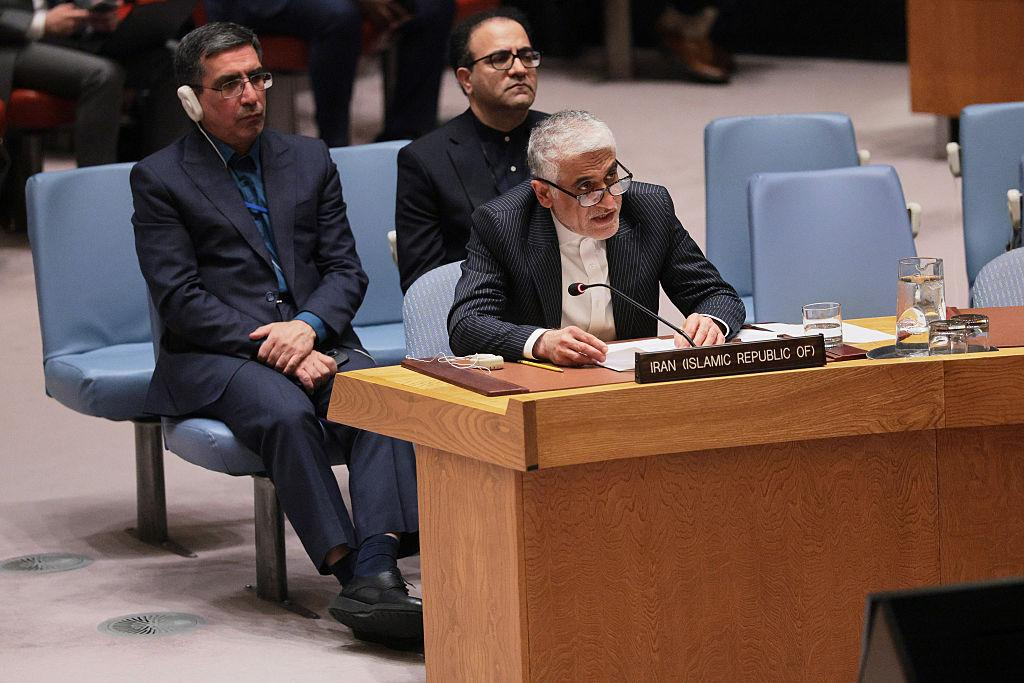
Iran’s envoy, Amir Saeid Iravani, has formally lodged a complaint, arguing that US actions amount to:
- Illegal coercion
- Interference in international trade
- Unlawful seizure of property
The complaint was addressed to António Guterres and the UN Security Council, highlighting concerns over global maritime security.
Iran has warned that such actions could set a dangerous precedent for international law.
Maritime Tensions Escalate in the Gulf
The Strait of Hormuz Bargaining Chip Warning 2026 reflects rising tensions in maritime operations.
Recent developments include:
- Increased interception of vessels
- Heightened naval presence
- Growing risks for commercial shipping
These actions have raised fears that the Strait could become militarised, further complicating the already fragile situation.
Iran’s Proposal for De-escalation
Despite the tensions, the Strait of Hormuz Bargaining Chip Warning 2026 also comes amid diplomatic efforts by Iran to ease the crisis.
According to reports, Iran has proposed:
- A halt to military operations in the Strait
- Ending hostilities in the region
- Removal of the US blockade
The proposal, led by Abbas Araghchi, suggests a three-stage de-escalation plan aimed at restoring stability.
Key Conditions in Iran’s Proposal
The Strait of Hormuz Bargaining Chip Warning 2026 highlights several conditions attached to Iran’s offer:
- End of military conflict involving the US and its allies
- Guarantees against future hostilities
- International oversight of maritime operations
- Recognition of Iran’s sovereignty over the Strait
However, these conditions remain contentious, particularly the demand for full control over the waterway.
US Response: Cautious but Firm
The United States has responded cautiously to the developments surrounding the Strait of Hormuz Bargaining Chip Warning 2026.
Officials, including Marco Rubio, have indicated:
- Willingness to engage in dialogue
- Continued enforcement of maritime security
- Opposition to Iran controlling the Strait
The US position reflects its broader strategy of maintaining freedom of navigation while countering perceived threats.
Role of Global Mediators
The Strait of Hormuz Bargaining Chip Warning 2026 has drawn involvement from multiple international mediators.
Countries and organisations are:
- Encouraging continued negotiations
- Facilitating indirect communication
- Preventing escalation
Russia’s involvement, including discussions with Vladimir Putin, indicates the global stakes involved.
Economic Impact and Global Concerns
The Strait of Hormuz Bargaining Chip Warning 2026 has significant economic implications.
Potential risks include:
- Rising oil prices
- Market volatility
- Disruption in global trade
Energy-dependent nations are particularly concerned about any instability in the Strait.
Expert Opinions on the Crisis
Experts remain sceptical about a quick resolution to the issues highlighted in the Strait of Hormuz Bargaining Chip Warning 2026.
Analysts suggest:
- Deep-rooted mistrust between the US and Iran
- Complex geopolitical interests
- Limited chances of immediate agreement
However, ongoing negotiations provide a window for diplomatic progress.
Future Outlook: Stability or Escalation?
The Strait of Hormuz Bargaining Chip Warning 2026 raises critical questions about the future:
- Will negotiations lead to de-escalation?
- Can global powers ensure maritime neutrality?
- Will the Strait remain open and secure?
The answers will shape global geopolitics in the coming months.
A Critical Moment for Global Stability
The Strait of Hormuz Bargaining Chip Warning 2026 underscores the fragile balance between diplomacy and conflict in one of the world’s most sensitive regions.
Qatar’s warning serves as a reminder that:
- Strategic assets must remain neutral
- Diplomacy should prevail over confrontation
- Global cooperation is essential
As tensions continue, the Strait of Hormuz Bargaining Chip Warning remains at the centre of a complex On Ground Reality: Why the Strait of Hormuz Issue Feels More Serious This Time
If you look closely at how the situation is unfolding, the tension around the Strait of Hormuz doesn’t feel like just another routine geopolitical standoff. This time, it carries a different weight. The conversations are sharper, the actions more direct, and the stakes far higher than before.
For countries in the Gulf region, this isn’t just about diplomacy—it’s about daily stability. Shipping routes are not abstract lines on a map; they are lifelines. Every tanker that moves through the Strait carries not just oil, but economic stability for dozens of nations.
People working in shipping, logistics, and energy sectors are already watching the situation closely. Even a small disruption here can ripple across industries. Insurance costs for vessels go up, shipping timelines stretch, and markets react almost instantly. That’s why Qatar’s statement didn’t come as a surprise—it came as a necessary reminder.
A Delicate Balance Between Power and Responsibility
There is always a fine line between using strategic influence and overstepping into destabilisation. The Strait of Hormuz sits right at that intersection.
From one perspective, countries involved in the conflict want to protect their interests. That’s expected. But when those interests begin to affect global trade routes, it becomes a shared problem—not just a regional one.
What Qatar seems to be saying, in a very measured tone, is simple: some things are too critical to be used as leverage.
And honestly, that message resonates. Because once such a critical passage becomes a bargaining tool, it sets a precedent. Tomorrow, another country might do the same somewhere else. That’s how global systems slowly lose stability.
How Global Markets Quietly React
Interestingly, even before any official escalation, global markets often react based on perception alone. Traders, investors, and policymakers don’t wait for a full-blown crisis—they anticipate it.
When news like this surfaces, oil markets start showing signs of nervousness:
- Prices begin to fluctuate more than usual
- Supply forecasts become uncertain
- Import-dependent countries start reviewing reserves
You won’t always see panic headlines immediately, but behind the scenes, governments and corporations are already preparing contingency plans.
That’s the silent impact of situations like this.
Diplomacy Still Has a Window—But It’s Narrow
One thing that stands out in this situation is that despite the tension, communication hasn’t completely broken down. That matters.
Iran’s proposal, even if complicated, shows there’s still some willingness to negotiate. At the same time, the US hasn’t shut the door on discussions either. This creates a narrow—but important—window for diplomacy.
However, the challenge is trust.
Both sides seem to be talking, but not fully trusting. And without trust, even the best proposals struggle to move forward. That’s why mediators—countries like Qatar—become so important. They don’t just carry messages; they maintain the possibility of dialogue.
Why the World Is Paying Close Attention
What’s happening here isn’t isolated. The Strait of Hormuz connects economies across continents. A disruption here doesn’t stay local—it travels.
Countries in Asia, Europe, and even parts of Africa depend heavily on oil flowing through this route. So naturally, they are watching every development closely.
You can think of it like a central artery. If something affects it, the entire system feels it.
Human Perspective: Beyond Politics
At the end of the day, behind all the diplomacy and strategy, there are real people affected:
- Sailors navigating uncertain waters
- Workers in ports and refineries
- Families dependent on stable fuel prices
- Businesses trying to manage unpredictable costs
For them, this isn’t just a geopolitical story—it’s something that directly impacts daily life.
And maybe that’s why statements like Qatar’s matter more than they seem. They bring the conversation back to stability, not just strategy.
Where This Could Be Headed
If things continue the way they are, there are a few possible directions:
- Gradual de-escalation through continued negotiations
- Prolonged tension without direct conflict
- Or in the worst case, temporary disruption in shipping routes
Right now, it feels like the situation is balancing between pressure and restraint. No side wants to appear weak, but no one wants a full-scale escalation either.
Sometimes, the most important developments in global politics are not the loudest ones—they’re the subtle warnings.
Qatar’s message about the Strait of Hormuz isn’t aggressive or dramatic. It’s calm, measured, and practical. But that’s exactly what makes it powerful.
Because in a world where tensions can escalate quickly, a reminder to protect stability might be the most important thing anyone can say.chessboard, with implications far beyond the Middle East.
About The Author