
EAM Jaishankar Recalls 1975 Emergency, Pays Tribute to Those Who Defended Constitutional Values
 admin
admin 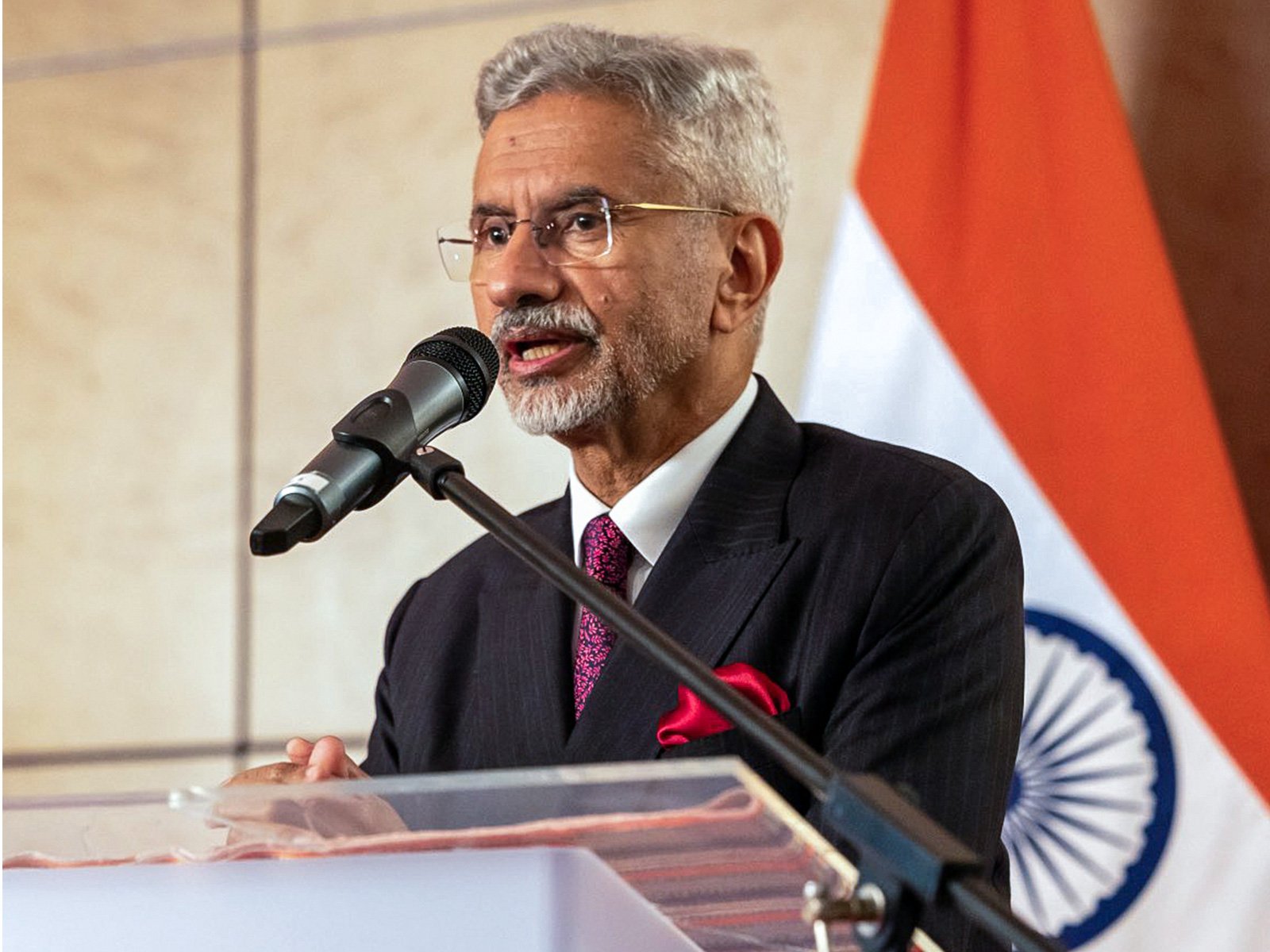
New Delhi, June 25: External Affairs Minister S. Jaishankar on Thursday remembered one of the most significant chapters in India’s political history, the 1975 Emergency, saying the period severely tested the strength and resilience of the country’s democratic institutions. EAM Jaishankar recalls 1975 Emergency as a defining moment that highlighted the importance of safeguarding constitutional values and democratic freedoms.
Marking the anniversary of the Emergency declared on June 25, 1975, Jaishankar shared a message on social media platform X, paying tribute to the citizens, leaders, journalists, and activists who stood firm in defense of democracy during one of India’s most challenging political phases.
EAM Jaishankar Recalls 1975 Emergency as a Test of Democracy
In his message, EAM Jaishankar recalls 1975 Emergency by describing it as a period that put India’s democratic framework under immense pressure. He emphasized that despite the restrictions imposed during those 21 months, countless individuals displayed remarkable courage by standing up for constitutional principles.
“On the anniversary of the declaration of Emergency today, recall a period that severely tested the resilience of India’s democracy. Also salute the courage of all those who stood up in defence of constitutional values and freedoms,” Jaishankar wrote on X.
His remarks underline the significance of remembering historical events that shaped India’s democratic journey while encouraging citizens to remain committed to protecting democratic institutions.
Constitutional Values Must Always Be Protected
Continuing his message, EAM Jaishankar recalls 1975 Emergency as a reminder that democracy cannot be taken for granted. According to him, the legacy of the Emergency reinforces the need for citizens and institutions alike to continuously strengthen and preserve democratic values.
“Its legacy remains a powerful reminder that democracy must be protected, strengthened and cherished every day,” Jaishankar stated.
His comments come as India observes another anniversary of the Emergency, prompting political leaders across party lines to reflect on the impact the period had on civil liberties and governance.
What Was the 1975 Emergency?
The 1975 Emergency was proclaimed on June 25, 1975, after then-President Fakhruddin Ali Ahmed signed the Emergency Proclamation under Article 352 of the Indian Constitution, citing “internal disturbance.”
The Emergency remained in force until March 21, 1977, making it one of the most controversial periods in independent India’s history.
During this time, several constitutional rights were suspended, censorship was imposed on the media, political opponents were arrested, and civil liberties faced severe restrictions. The Maintenance of Internal Security Act (MISA) was extensively used to detain political leaders, activists, journalists, and social workers.
As EAM Jaishankar recalls 1975 Emergency, his remarks echo the broader national discussion on preserving democratic institutions and constitutional safeguards.
PM Narendra Modi Also Remembers the Emergency
Prime Minister Narendra Modi also marked the anniversary by describing the Emergency as one of the darkest periods in India’s democratic history.
The Prime Minister called the Emergency a “direct assault” on the Constitution and paid tribute to all those who resisted authoritarian measures despite facing arrests, censorship, and restrictions.
According to PM Modi, the Emergency witnessed the suspension of civil liberties, suppression of freedom of expression, and the detention of political leaders, journalists, and social activists under stringent laws.
His message emphasized that countless Indians displayed extraordinary courage by refusing to remain silent and by defending the constitutional ideals of justice, liberty, equality, and fraternity.
Emergency Continues to Shape India’s Democratic Discourse
As EAM Jaishankar recalls 1975 Emergency, historians and political observers note that the period continues to influence discussions surrounding constitutional rights, governance, and democratic accountability.
The Emergency remains a key subject in Indian political history because it demonstrated both the vulnerability and resilience of democratic institutions. It also led to several constitutional reforms aimed at preventing similar situations in the future.
Many legal experts believe the lessons learned from the Emergency have strengthened constitutional safeguards and encouraged greater public awareness regarding individual rights and institutional independence.
Importance of Remembering the Emergency
The anniversary of the Emergency serves not only as a historical remembrance but also as an opportunity to reaffirm India’s commitment to democracy.
By stating that democracy must be “protected, strengthened and cherished every day,” EAM Jaishankar recalls 1975 Emergency to encourage continuous vigilance in preserving constitutional freedoms.
Political analysts say remembering the Emergency is important because it reminds future generations about the significance of free speech, judicial independence, electoral democracy, and constitutional governance.
Leaders Call for Continued Commitment to Democracy
Both EAM Jaishankar recalls 1975 Emergency and Prime Minister Narendra Modi’s remarks stress the need to uphold democratic values irrespective of political differences.
The Constitution remains the foundation of India’s democratic system, guaranteeing rights while defining the responsibilities of both citizens and institutions.
PM Modi reiterated that the Constitution embodies the aspirations, rights, and duties of 140 crore Indians, reaffirming the government’s commitment to justice, liberty, equality, and fraternity.
As EAM Jaishankar recalls 1975 Emergency, his message serves as a reminder of a defining chapter in India’s democratic history. His tribute to those who defended constitutional values highlights the sacrifices made to preserve democratic freedoms during a period marked by political uncertainty and restrictions.
The anniversary of the Emergency continues to encourage reflection on the importance of protecting civil liberties, maintaining institutional independence, and strengthening constitutional governance. With leaders across the country paying homage to those who defended democracy, the legacy of the 1975 Emergency remains a powerful reminder that India’s democratic values must always be safeguarded for future generations.
About The Author