
 admin
admin 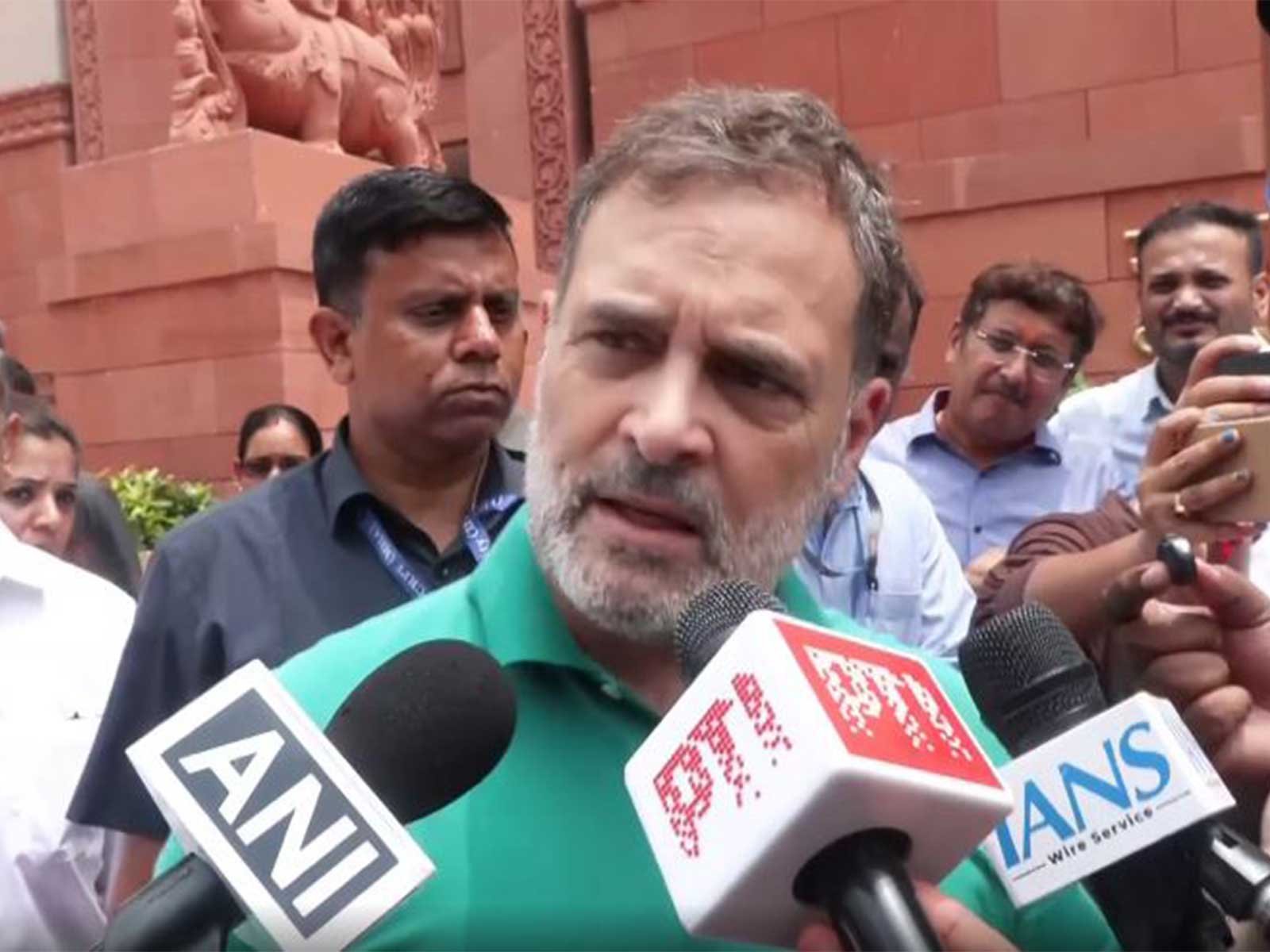
Rahul Gandhi vs Amit Shah has emerged as a major political confrontation in Parliament as the Opposition and the government remain divided over alleged police action against students protesting over the NEET paper leak. The dispute intensified on Wednesday after Congress leader and Leader of Opposition in the Lok Sabha Rahul Gandhi rejected the government’s offer of a detailed discussion, saying the opposition wanted answers rather than a “lecture”.
The latest Rahul Gandhi vs Amit Shah confrontation centres on allegations of excessive police force against student protesters during demonstrations on July 20. Gandhi questioned who ordered the alleged firing and lathi charge and sought accountability from the Union Home Minister.
Rahul Gandhi Demands Answers From Amit Shah
Speaking to reporters outside Parliament, Rahul Gandhi said the Opposition was not interested in listening to a lecture from Amit Shah. He argued that the government must answer questions about the alleged police action against students.
Gandhi specifically questioned who ordered the alleged firing and the use of force against protesters. He also asked whether the Home Minister had authorised such action and said that anyone responsible should be held accountable.
The Congress leader further criticised Shah over his presence in Parliament, alleging that the home minister had been absent during the ongoing confrontation. His remarks added another layer to the already heated Rahul Gandhi vs Amit Shah political exchange.
The Opposition has repeatedly demanded that the government respond to allegations surrounding the handling of student protests and the NEET paper leak controversy.
Amit Shah Offers Parliament Discussion
Earlier in the day, Union Home Minister Amit Shah said the government was ready for a detailed discussion in Parliament on the student protests.
Shah said the government was prepared to discuss every aspect of the protests related to the NEET paper leak and answer questions raised by members of the Opposition.
He also rejected allegations that he had been avoiding Parliament. According to Shah, he had been attending Parliament regularly and sitting in his chamber, while disruptions by the Opposition had prevented the Houses from functioning normally.
The Home Minister said the Opposition had previously demanded a discussion and that the government had agreed to the request. He urged opposition members to submit a letter to the Speaker so that a discussion could be scheduled.
The contrasting positions have intensified the Rahul Gandhi vs Amit Shah dispute, with both sides accusing the other of preventing a meaningful parliamentary discussion.
Opposition Raises “Amit Shah Jawab Do” Slogans
The confrontation also played out outside Parliament, where opposition leaders staged a demonstration against the Centre.
Protesters raised slogans demanding answers from Amit Shah, with “Amit Shah Jawab Do” becoming a prominent part of the demonstration.
The Opposition’s criticism focused on the alleged use of excessive force against students during protests in Delhi and other parts of the country.
For the Opposition, the issue is not limited to the NEET paper leak controversy. Leaders are also demanding accountability over the alleged police response to demonstrators.
The demonstration has therefore added momentum to the wider Rahul Gandhi vs Amit Shah political confrontation.
Five Major Questions at the Centre of the Row
Several key questions have emerged from the latest political dispute.
1. Who ordered the alleged use of force?
Rahul Gandhi has demanded clarity over who authorised the alleged firing and lathicharge against student protesters.
2. Will Parliament hold a detailed discussion?
The government says it is ready for a discussion, while the Opposition has raised concerns about the nature and scope of the proposed debate.
3. Who will answer allegations of police action?
The Opposition is seeking accountability from the government over the alleged treatment of demonstrators.
4. Can Parliament function without disruption?
Repeated disruptions have become another major point of contention between the government and Opposition.
5. Will the dispute lead to a political resolution?
The next parliamentary discussions could determine whether both sides move toward a detailed debate or continue their confrontation.
These questions are likely to keep the Rahul Gandhi vs Amit Shah row in focus as Parliament proceedings continue.
NEET Paper Leak Remains a Major Political Issue
The controversy surrounding the NEET examination has remained a significant political issue, particularly because of concerns raised by students and opposition parties.
The opposition has sought answers from the centre on allegations connected with the examination and the subsequent protests. The government, meanwhile, has maintained that it is willing to discuss the issue in Parliament.
A detailed parliamentary debate could provide an opportunity for lawmakers to raise questions about the examination process, student concerns and the government’s response.
However, disagreements over parliamentary procedure and the handling of protests have complicated the situation.
Rahul Gandhi’s Challenge to the Government
Rahul Gandhi’s latest comments show that the Congress leadership intends to maintain pressure on the Centre.
By directly questioning Amit Shah, Gandhi has sought to make accountability the central issue. His remarks also reflect the Opposition’s broader strategy of using Parliament and public demonstrations to demand answers from the government.
The Rahul Gandhi vs Amit Shah confrontation could therefore extend beyond a single parliamentary session. The issue combines student concerns, the NEET controversy, allegations of police action and a wider political dispute between the government and the opposition.
Amit Shah’s Response
Amit Shah has strongly rejected the suggestion that he has been avoiding Parliament. He said he has been attending Parliament and that disruptions have prevented normal proceedings.
The home minister also challenged the opposition to allow the proposed discussion to take place. He said he was prepared to answer questions in the House and asked opposition leaders to submit the required letter to the Speaker.
Shah’s response shifts the political focus toward parliamentary functioning. While the Opposition is demanding answers, the government is arguing that the Opposition itself must allow the House to function for a detailed discussion to take place.
This difference in approach remains at the heart of the Rahul Gandhi vs Amit Shah dispute.
Parliament Becomes the Main Battleground
The latest confrontation illustrates how Parliament has become the principal arena for the dispute.
The Opposition wants the government to address allegations concerning the student protests and alleged police action. The government says it is ready to discuss the matter but wants the Opposition to cooperate with parliamentary proceedings.
The outcome could depend on whether both sides agree on the timing and format of the proposed discussion.
If a debate takes place, opposition members are expected to raise questions about the alleged police response, while the government could present its position on the NEET-related protests and subsequent developments.
What Happens Next?
The Rahul Gandhi vs Amit Shah confrontation is likely to remain a major political story as Parliament continues its proceedings.
The Opposition is demanding direct answers and accountability, while the government says it has already offered an opportunity for a detailed discussion.
Whether the dispute results in a substantive parliamentary debate or further disruptions will depend on the willingness of both sides to find common ground.
For students and families affected by the NEET controversy, the central concern remains obtaining clear answers and accountability. The political confrontation between Rahul Gandhi and Amit Shah has brought those demands back into the national spotlight.
As Parliament continues, the Rahul Gandhi vs Amit Shah dispute could become an important test of how the government and Opposition handle contentious issues involving students, examinations, policing and parliamentary accountability.
About The Author