
 admin
admin 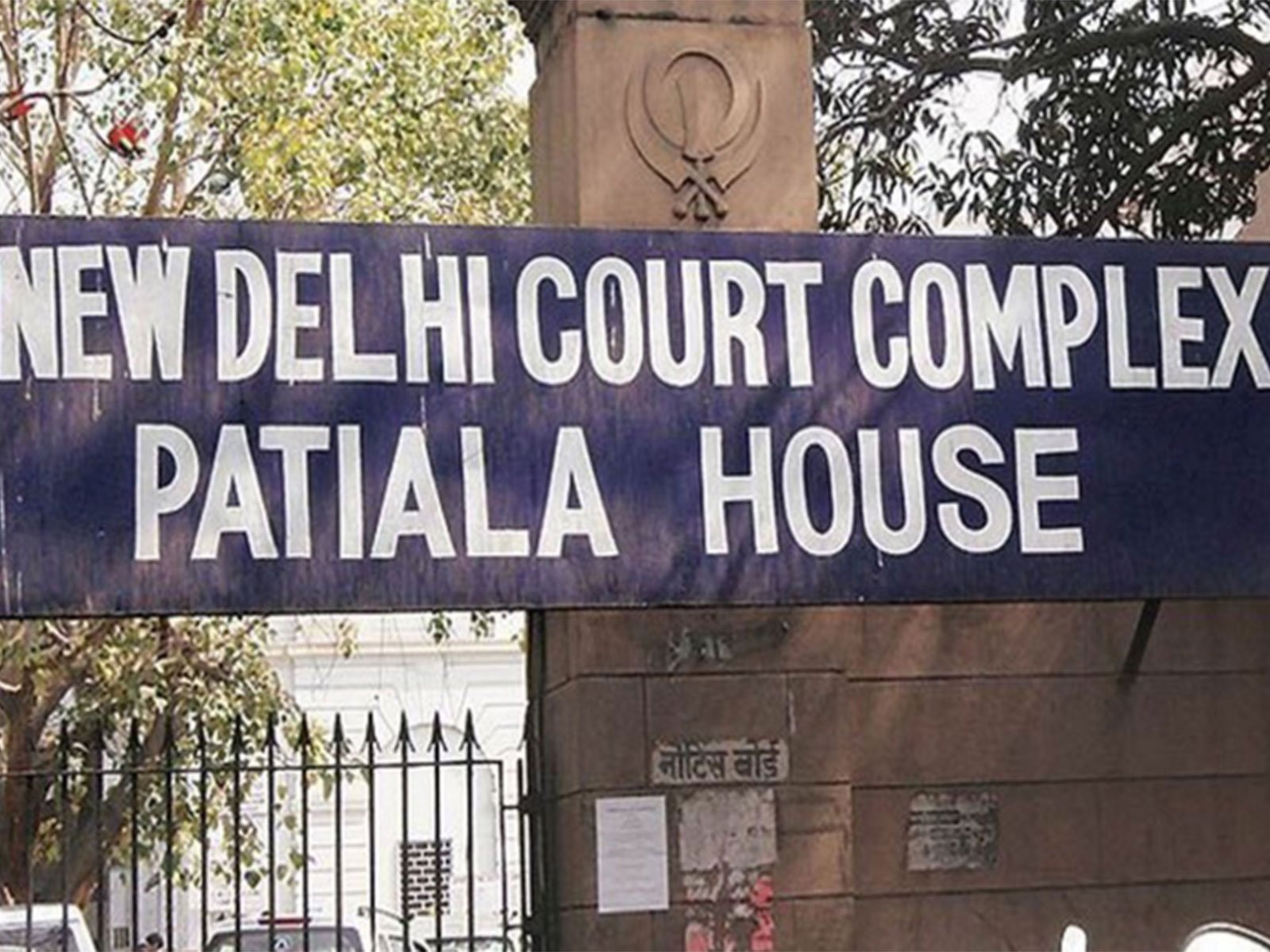
New Delhi, June 29 (ANI): In a significant development in the AI Summit protest case, a Delhi court on Monday deferred taking cognisance of the charge sheet filed by Delhi Police against several leaders and workers of the Indian Youth Congress. The court’s decision came after it was informed that mandatory prosecution sanction required under law is still awaited.
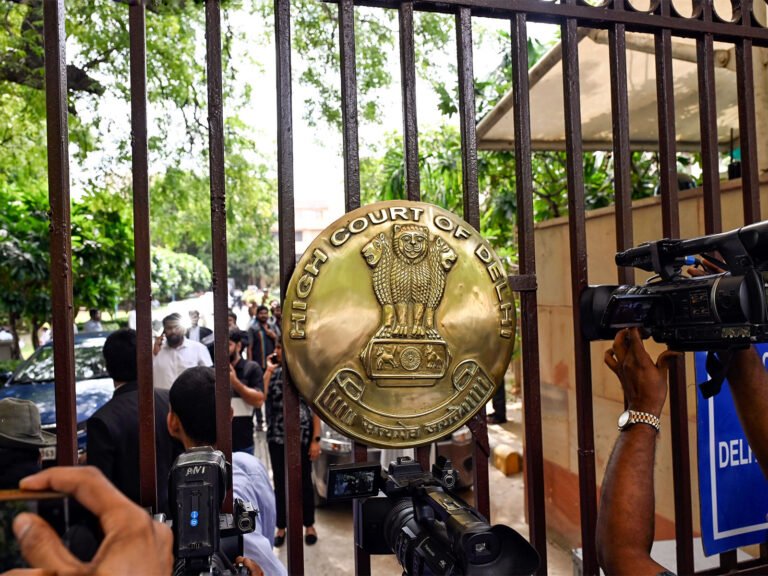
The matter was heard at the Patiala House Court, where Chief Judicial Magistrate (CJM) Mridul Gupta observed procedural delays in proceeding further with the charge sheet due to the absence of sanction under Section 217 of the Bharatiya Nagarik Suraksha Sanhita (BNSS).
The court has now listed the matter for further consideration on September 28, directing the investigating agency to expedite the process of obtaining the required sanction.
Background of the AI Summit Protest Case
The case originates from a protest allegedly organised during the global AI Impact Summit held at Bharat Mandapam in New Delhi. According to Delhi Police, the demonstration led to the registration of an FIR in February 2026, following which investigation was carried out.
After completing the probe, police filed a charge sheet on April 27 before the Patiala House Court against multiple accused persons associated with the Indian Youth Congress.
The case has drawn attention due to its political sensitivity and the timing of the protest, which occurred during a high-profile international event focused on artificial intelligence governance and global cooperation.
Court Observations on the Charge Sheet
During Monday’s hearing, the Special Public Prosecutor (SPP) Prashant Prakash informed the court that cognisance of the charge sheet should be taken immediately. However, he also acknowledged that the required prosecution sanction is yet to be issued.
The investigating officer further submitted that obtaining the sanction could take at least two months, prompting the court to question the delay and procedural timeline.
The CJM observed that cognisance cannot be taken in a piecemeal manner when statutory requirements remain incomplete. As a result, the court deferred taking cognisance of the charge sheet and directed authorities to expedite the sanction process.
Legal Requirement Under BNSS
The delay in the AI Summit protest case revolves around Section 217 of the Bharatiya Nagarik Suraksha Sanhita (BNSS), which mandates prior sanction before courts can take cognisance in certain categories of cases involving public servants or procedural protections.
Without this sanction, the court cannot formally proceed with the charge sheet, even if the investigation has been completed and filed.
Legal experts note that such procedural safeguards are intended to ensure accountability in prosecution while preventing premature judicial proceedings. However, they can also lead to delays in cases where administrative approvals take time.
Indian Youth Congress Leaders Named in Charge Sheet
The charge sheet filed by Delhi Police includes names of several Indian Youth Congress (IYC) leaders and workers. Among them, IYC President Udai Bhanu Chib was granted bail on February 28, while other accused were granted bail on March 1.
The accused individuals include:
- Krishna Hari
- Kundan Yadav
- Narsimha Yadav
- Ajay Singh
- Saurabh
- Arbaz Khan
- Ajay Kumar Vimal
- Raja Gujar
- Jitendra Yadav
- and others
All of them are currently out on bail as the proceedings around the charge sheet remain pending due to procedural requirements.
Political Context and Public Attention
The AI Summit protest case has gained political attention due to the involvement of a youth political organisation and the high-profile nature of the summit where the protest reportedly took place.
The Indian Youth Congress has maintained that its protest was democratic in nature and aimed at highlighting concerns related to policy discussions around artificial intelligence governance.
However, Delhi Police, in its charge sheet, has alleged violations of law during the protest, leading to legal proceedings against the accused members.
Role of Patiala House Court
The Patiala House Court has been overseeing the proceedings related to the charge sheet since its filing. On Monday, the court took a cautious approach, emphasising that procedural compliance is essential before cognisance is taken.
The court also highlighted that delays in sanctioning should not become routine obstacles in judicial proceedings and asked the investigating officer to ensure timely compliance.
The matter has now been adjourned, with the court scheduled to revisit the charge sheet on September 28.
Delay Raises Questions Over Legal Process
The deferment of cognisance in the AI Summit protest case has sparked discussion among legal observers about delays in prosecution sanction mechanisms.
While the charge sheet has already been filed after completion of investigation, the absence of sanction effectively stalls the progression of the case at the judicial level.
Experts suggest that coordination gaps between investigating agencies and sanctioning authorities often contribute to such delays, affecting the pace of justice delivery.
What Happens Next in the Case
The next phase of the AI Summit protest case depends entirely on the issuance of prosecution sanction. Once the sanction is received, the court will be able to take cognisance of the charge sheet and proceed with framing of charges, if applicable.
Until then, the proceedings remain in a waiting stage, with the court monitoring compliance from investigative authorities.
The September 28 hearing is expected to be crucial in determining whether the charge sheet can finally be admitted for cognisance or further delayed.
The Delhi court’s decision to defer cognisance of the charge sheet in the AI Summit protest case underscores the importance of procedural compliance in criminal proceedings. While the investigation has already concluded and the charge sheet has been filed, the absence of prosecution sanction has temporarily halted judicial progress.
As the matter awaits the next hearing in September, all eyes remain on whether the sanction will be granted in time to allow the court to proceed with the charge sheet and move the case forward.
About The Author