
India Migration Mobility Partnerships Reach 28 Agreements, Jaishankar Highlights Trusted Global Workforce Pathways
 admin
admin 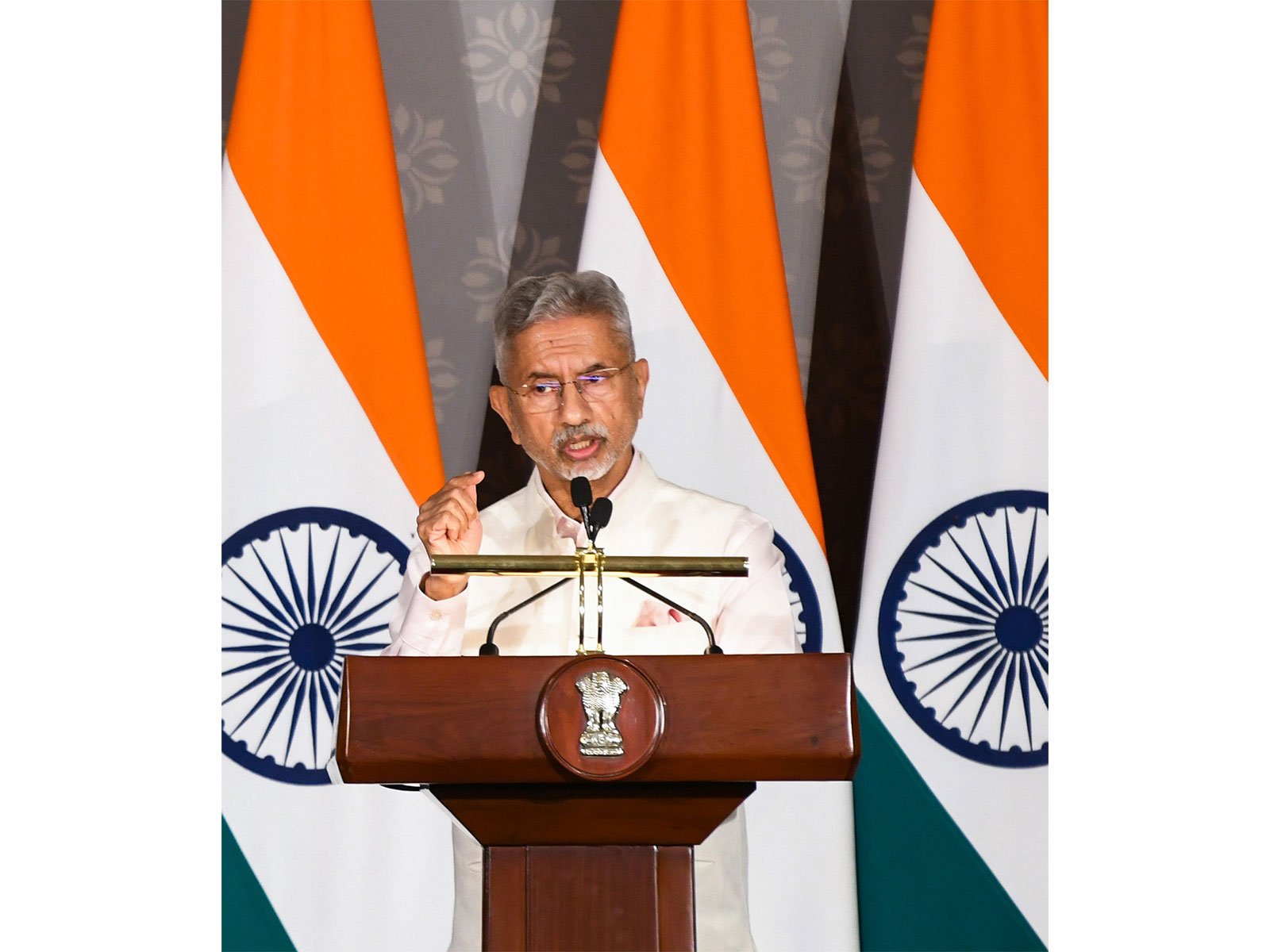
New Delhi: India Expands Global Mobility Network
India Migration Mobility Partnerships have emerged as a key pillar of the country’s international engagement strategy, with External Affairs Minister S. Jaishankar announcing that India has signed 28 Migration and Mobility Partnership Agreements (MMPAs) or equivalent arrangements with 26 countries.
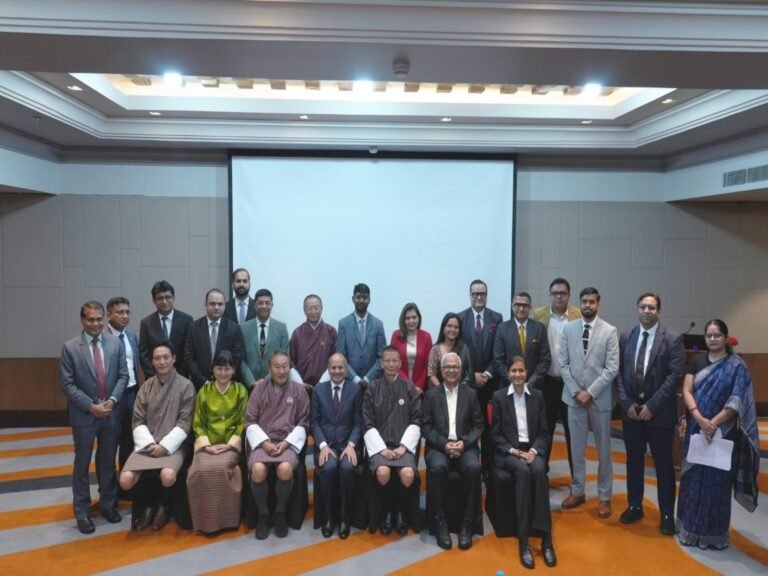
Speaking at the Human Resource Mobility Forum in New Delhi, Jaishankar emphasized that trusted mobility pathways are becoming increasingly important in a rapidly changing global economy. The India Migration Mobility Partnerships framework aims to create safe, legal, and mutually beneficial opportunities for skilled professionals, workers, employers, and governments.
According to the minister, mobility is no longer just about employment abroad. Instead, India Migration Mobility Partnerships represent a broader vision of international cooperation that supports economic growth, innovation, and social development.
Human Resource Mobility Becoming Central to Economic Growth
Jaishankar noted that the world is witnessing major demographic, technological, and economic shifts. As countries face aging populations, labor shortages, and rapid technological transformation, the importance of human resource mobility continues to grow.
The minister said that traditional economic discussions focused mainly on trade, investment, and capital flows. However, access to skilled workers has now become one of the most important drivers of economic development.
Under India Migration Mobility Partnerships, India seeks to ensure that skilled workers can move legally and safely while contributing to the economic needs of destination countries. These agreements also help strengthen ties between nations through cooperation on workforce development and migration governance.
The India Migration Mobility Partnerships initiative supports sectors experiencing workforce shortages, including healthcare, construction, manufacturing, agriculture, and technology.
Trusted Mobility Pathways Benefit Both Nations
A key objective of India Migration Mobility Partnerships is creating a system that benefits both source and destination countries. Jaishankar emphasized that mobility partnerships must be based on mutual benefit, shared responsibility, and long-term sustainability.
The minister explained that when migration is managed effectively, it generates positive outcomes for workers, employers, governments, and local communities. Through India Migration Mobility Partnerships, workers gain access to employment opportunities while destination countries receive much-needed skilled talent.
The agreements also help establish transparent recruitment systems, improve worker protections, and enhance cooperation between governments on migration management.
As global labor demands continue to evolve, India Migration Mobility Partnerships are expected to play a significant role in addressing workforce gaps across multiple industries.
Focus on Safe and Legal Migration
Jaishankar stressed that India remains committed to promoting safe, orderly, and legal migration. India Migration Mobility Partnerships are designed to reduce irregular migration and strengthen legal mobility channels.
The minister highlighted the importance of tackling illegal migration, human trafficking, fraudulent recruitment practices, and exploitation by unauthorized intermediaries. Such challenges can undermine confidence in migration systems and expose vulnerable workers to risks.
India Migration Mobility Partnerships include mechanisms that support lawful migration while encouraging greater cooperation between participating countries on migration enforcement and worker protection.
The government believes that strengthening legal migration pathways can help reduce opportunities for criminal networks involved in trafficking and illegal migration activities.
eMigrate Platform Strengthens Worker Protection
India’s commitment to safe migration is reflected through the eMigrate digital platform. Jaishankar said that more than five million emigration clearances have been issued through the system since its launch.
The platform serves as a technology-driven solution that supports India Migration Mobility Partnerships by improving transparency, monitoring recruitment processes, and protecting migrant workers.
The eMigrate platform enables workers to access verified employment opportunities while ensuring compliance with legal requirements. It also helps authorities monitor migration trends and respond to emerging challenges.
According to the minister, the platform has become a global example of how technology can be used to facilitate mobility while safeguarding worker welfare.
Technology and AI Reshaping Workforce Demands
Jaishankar observed that advances in artificial intelligence, automation, digitalization, and green technologies are transforming labor markets worldwide.
India Migration Mobility Partnerships are increasingly important as countries adapt to changing workforce requirements. While some traditional occupations may evolve or disappear, entirely new categories of jobs are expected to emerge.
The minister noted that industries linked to the green economy will require specialized skills. At the same time, sectors such as healthcare and caregiving will experience growing demand due to aging populations in many countries.
India Migration Mobility Partnerships can help ensure that workers receive the training and skills needed to meet these emerging opportunities.
Need for Future-Oriented Skills Development
A major focus of India Migration Mobility Partnerships is preparing workers for future labor market demands. Jaishankar called for stronger collaboration among governments, industries, educational institutions, and international organizations.
He emphasized the need to develop systems that anticipate workforce requirements and support continuous learning. As technological changes accelerate, workers will need regular upskilling and reskilling to remain competitive.
India Migration Mobility Partnerships encourage cooperation on skills recognition, professional certification, and workforce development programs. Such initiatives can help workers transition smoothly across borders and industries.
The minister also stressed the importance of recognizing qualifications and competencies across jurisdictions, making it easier for skilled professionals to work internationally.
India Ready for Greater Global Cooperation
India Migration Mobility Partnerships reflect the country’s broader commitment to international cooperation and inclusive growth. Jaishankar reiterated that India is ready to work with global partners to build trusted mobility pathways that support economic development and social resilience.
He stated that mobility, when guided by fairness, responsibility, and effective governance, can serve as a powerful force for human progress. Through India Migration Mobility Partnerships, India aims to create a migration ecosystem that benefits workers while contributing to global prosperity.
As labor markets continue to evolve, India Migration Mobility Partnerships are expected to remain a central component of India’s international engagement strategy and workforce development agenda.
About The Author