
 admin
admin 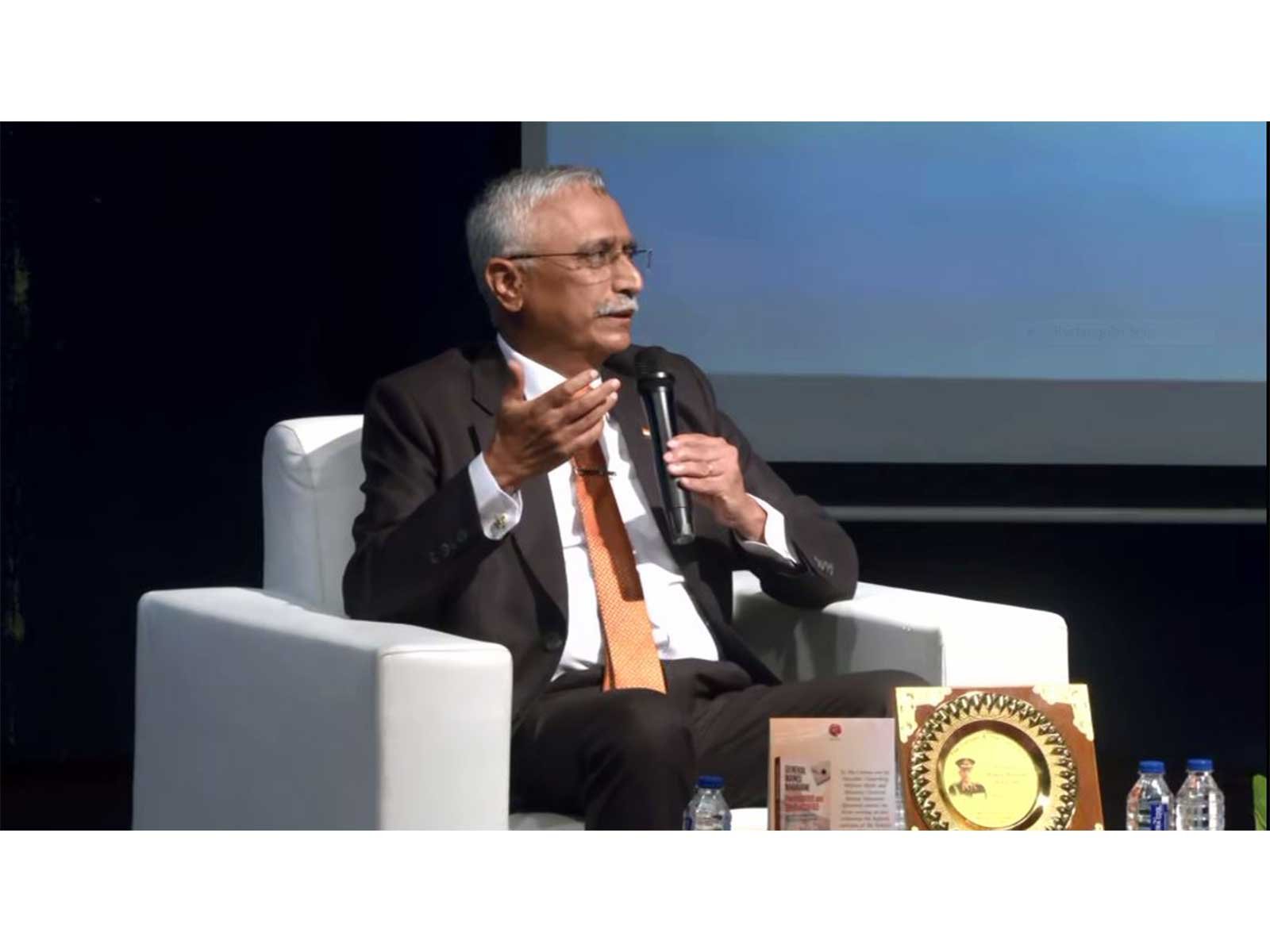
Former Army Chief General Manoj Mukund Naravane (Retd) has said that India China relations will remain one of the most important strategic challenges for India in the coming years, with competition expected across political, economic, trade and military areas.
The future of India China relations will depend on strategic balance, diplomatic engagement and India’s ability to manage competition in multiple areas.
Speaking at the launch of his book The Curious and the Classified: Unearthing Myths and Mysteries in Pune, Naravane said India must differentiate between a competitor and an enemy while dealing with China.
He emphasised that differences with China should be addressed through dialogue while maintaining strong military preparedness and deterrence.
China to Remain India’s Main Strategic Competitor
Experts believe India China relations will remain a major factor in shaping Asia’s geopolitical landscape as both nations expand their economic and military capabilities.
Discussing future security challenges, Naravane said China would be India’s “main competitor” in the long term due to its influence across multiple sectors.
He highlighted that competition between the two countries extends beyond military matters and includes political, economic and trade domains.
According to Naravane, wherever competition exists, there can also be differences, making diplomatic engagement and communication essential.
The former Army chief stressed that India should continue efforts to resolve disputes peacefully while ensuring that its armed forces remain prepared for any situation.
Need for Dialogue Along With Military Strength
While discussing India China relations, Naravane underlined the importance of maintaining a balance between diplomacy and defence capability.
He said dialogue should always be the preferred approach for resolving disagreements, while the use of force should remain the last option.
At the same time, he highlighted the importance of credible military deterrence to prevent potential conflicts or hostile actions.
According to him, a strong defence system is necessary to maintain peace and stability along India’s borders.
Pakistan Remains a Short-Term Security Concern
Naravane also spoke about Pakistan’s role in India’s security environment, saying the country will continue to remain a key challenge due to concerns related to terrorism.
He explained that India’s focus on western borders is largely linked to security issues and terrorism-related challenges.
However, he maintained that the nature and priority of security challenges keep changing depending on circumstances.
While Pakistan remains a significant short-term concern, Naravane reiterated that China will have greater strategic importance in the years ahead.
Naravane Discusses Pakistan-Occupied Kashmir
During the discussion, Naravane also spoke about Pakistan-occupied Kashmir (PoK) and India’s stated position regarding the region.
He referred to India’s parliamentary resolution regarding PoK and said the country’s claim remains open-ended.
However, he clarified that any future developments would not necessarily involve military action.
According to Naravane, any possible changes would depend on future circumstances and could involve political processes, including the aspirations of people living in the region.
Importance of Stability in Neighbouring Countries
Naravane highlighted that stability among neighbouring countries is important for India’s own security and development.
He said countries cannot choose their neighbours and must work towards maintaining peaceful and stable relations.
Referring to developments in Myanmar, he explained that instability in neighbouring nations can create challenges such as refugee movements, illegal activities and security concerns.
He stressed that helping neighbouring countries maintain stability ultimately benefits India’s own national interests.
Border Security and Regional Cooperation
The former Army chief warned that unstable borders can create opportunities for illegal activities, including smuggling, drug trafficking and arms movement.
He said India must continue supporting stability in neighbouring countries to prevent such challenges from affecting its security.
According to Naravane, regional cooperation and responsible foreign policy play an important role in maintaining long-term peace.
India’s Experience in Border Regions
Naravane also discussed India’s experience in managing challenges in border states, particularly the Northeast.
He said government policies, development initiatives and long-term engagement helped strengthen integration and improve trust among communities.
He noted that building confidence among populations is a gradual process that can take generations but remains possible through consistent efforts.
About The Author