
 admin
admin 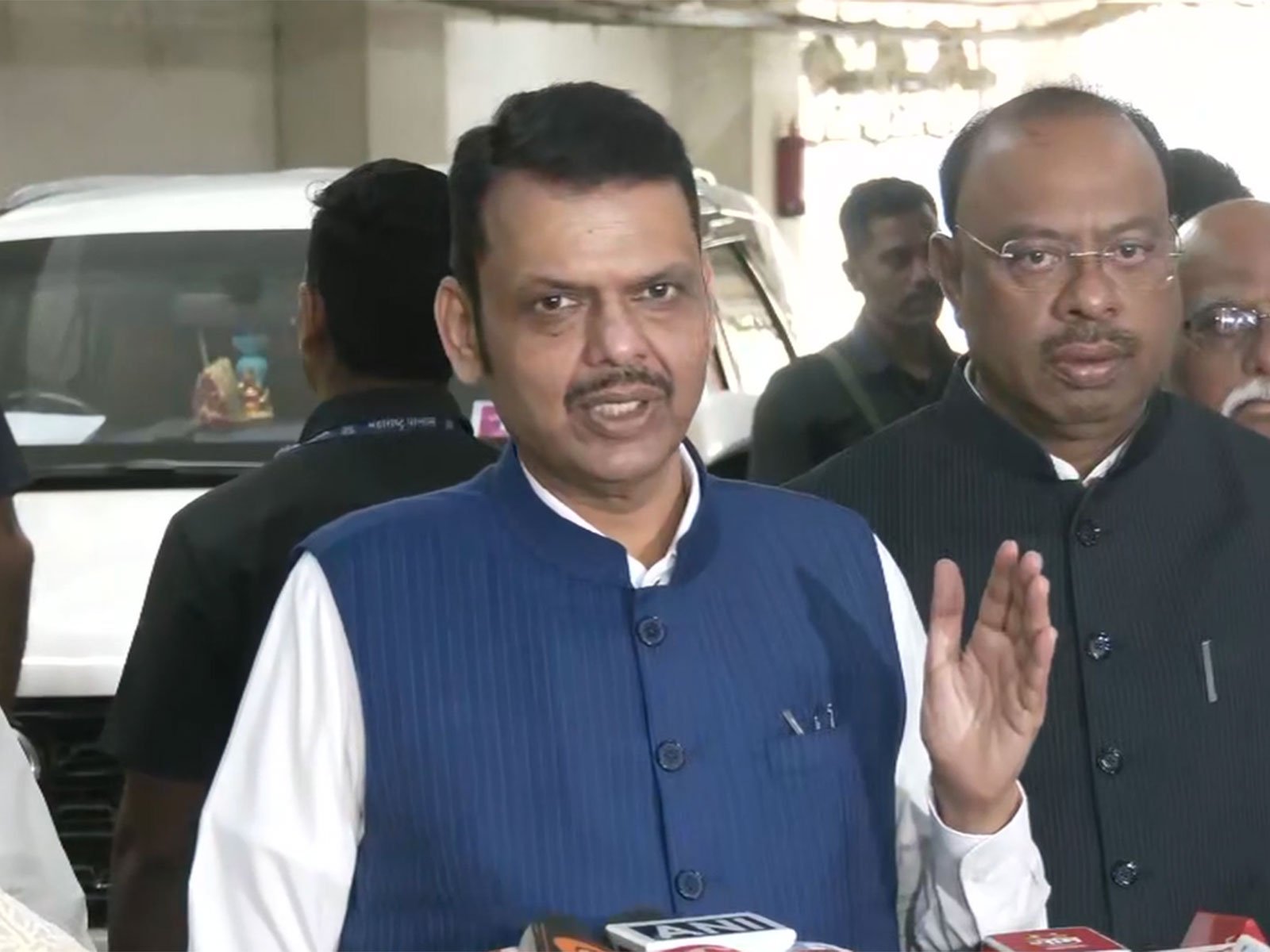
Nagpur, Maharashtra, August 10: Maharashtra Chief Minister Devendra Fadnavis has strongly backed the Fadnavis FCRA Bill position, saying that organisations working transparently and within the law have nothing to fear from the proposed changes to the Foreign Contribution (Regulation) Act.
Fadnavis said the primary purpose of tightening FCRA regulations is to close loopholes allegedly being used by certain entities to bring foreign funds into India for unlawful or subversive activities. He clarified that organisations that maintain proper accounts and comply with the law will continue to receive licences under the existing framework.
Fadnavis FCRA Bill Stand Focuses on Transparency
Speaking about the proposed legislation, Devendra Fadnavis said that organisations engaged in legitimate activities would not face unnecessary difficulties because of the changes.
He said that some organisations had allegedly been bringing foreign funds into the country through FCRA provisions and using the money for activities considered anti-national or unlawful.
According to Fadnavis, the proposed changes are aimed at preventing misuse of foreign contributions while ensuring that organisations following the rules can continue their work.
He emphasised that proper accounting and compliance with FCRA requirements would remain important for organisations seeking to retain their licences.
Fadnavis Says FCRA Applies to All Organisations
The Maharashtra Chief Minister also rejected the suggestion that the FCRA legislation was targeted at any particular community.
Fadnavis said that the Foreign Contribution (Regulation) Act applies to all organisations that receive foreign donations, regardless of their religious or community affiliation.
He said the issue should not be viewed as a matter concerning any one particular community because organisations receiving foreign contributions are required to follow the same regulatory framework.
The Chief Minister also encouraged those who have concerns or objections regarding the proposed legislation to raise their points during parliamentary discussions.
FCRA Amendment Bill 2026 Reintroduced in Lok Sabha
The Foreign Contribution (Regulation) Amendment Bill, 2026 was reintroduced in the Lok Sabha during the Monsoon Session.
The proposed legislation seeks to amend the Foreign Contribution (Regulation) Act, 2010, with the stated objective of improving transparency and accountability in the regulation of foreign contributions received by organisations in India.
One of the important proposals in the Bill is the establishment of a Designated Authority.
The authority would oversee foreign contributions and assets acquired through such funds in cases where an organisation’s FCRA registration has been cancelled, surrendered or has lapsed.
The proposed framework is aimed at ensuring that assets acquired through foreign contributions remain subject to appropriate oversight even when an organisation no longer holds an active FCRA registration.
Fadnavis Supports Debate in Parliament
Fadnavis said that individuals or organisations with concerns about the proposed changes should use Parliament as the appropriate forum to raise their arguments.
He said that the legislation should be discussed openly and that different viewpoints could be presented during parliamentary proceedings.
The Fadnavis FCRA Bill debate comes amid wider discussions over foreign funding regulations, accountability and the functioning of organisations receiving overseas contributions.
The FCRA framework covers foreign contributions received by various entities, including non-governmental organisations, charitable institutions, religious organisations and other eligible bodies.
Fadnavis Backs NCP Meeting With PM Modi
Apart from the FCRA issue, Devendra Fadnavis also commented on the recent meeting between Nationalist Congress Party leaders and Prime Minister Narendra Modi.
The Maharashtra Chief Minister described the meeting as a positive development and said there was nothing wrong with political leaders meeting the Prime Minister.
Fadnavis stressed that the Prime Minister represents the entire country and does not belong exclusively to any one political party.
He explained that, as Maharashtra Chief Minister, he also meets leaders and representatives from Opposition parties who approach him to discuss their work and concerns.
According to Fadnavis, the NCP meeting with PM Modi should therefore not necessarily be viewed from a different political perspective.
PM Modi Belongs to the Entire Country, Says Fadnavis
Fadnavis said that the Prime Minister belongs to the country rather than any particular political organisation.
He argued that political leaders meeting the Prime Minister is part of the normal functioning of democratic governance.
The Maharashtra Chief Minister added that Opposition leaders also meet him in his capacity as Chief Minister and raise issues related to their constituencies and political work.
His comments came amid political discussions surrounding the meeting between NCP representatives and Prime Minister Narendra Modi.
Fadnavis Announces Tiranga Yatra Schedule
Fadnavis also outlined his schedule for the upcoming Tiranga Yatra campaign in Maharashtra.
The Chief Minister confirmed that he would participate in events in Mumbai and Pune as part of the campaign.
He is also scheduled to attend a rally in Chhatrapati Sambhajinagar on August 14.
The Tiranga Yatra is expected to feature events highlighting national pride and participation across different parts of Maharashtra.
Fadnavis’s participation will include public programmes in major cities as the campaign progresses.
FCRA Debate Gains Political Attention
The proposed FCRA amendments have become an important subject of political discussion during the Monsoon Session of Parliament.
Supporters of tighter regulations argue that stronger oversight can help prevent the misuse of foreign contributions and improve transparency. Critics, meanwhile, have raised concerns about the possible impact of stricter regulations on legitimate organisations and civil society groups.
The Fadnavis FCRA Bill discussion is therefore part of a larger national debate over how foreign funding should be regulated while allowing legitimate organisations to continue their activities.
Fadnavis has maintained that organisations complying with the law should have no reason to fear the proposed changes.
What Happens Next?
The Fadnavis FCRA Bill debate is expected to continue as Parliament examines the proposed amendments to the existing legislation.
The key focus will remain on how the proposed Designated Authority will operate, how assets connected with foreign contributions will be regulated and what obligations organisations will have under the amended framework.
Meanwhile, Fadnavis’s comments indicate that the Maharashtra government supports stronger oversight of foreign funding while maintaining that legitimate organisations should not face unnecessary obstacles.
The proposed changes and their eventual implementation will depend on the parliamentary process and further consideration of the legislation.
About The Author