
 admin
admin 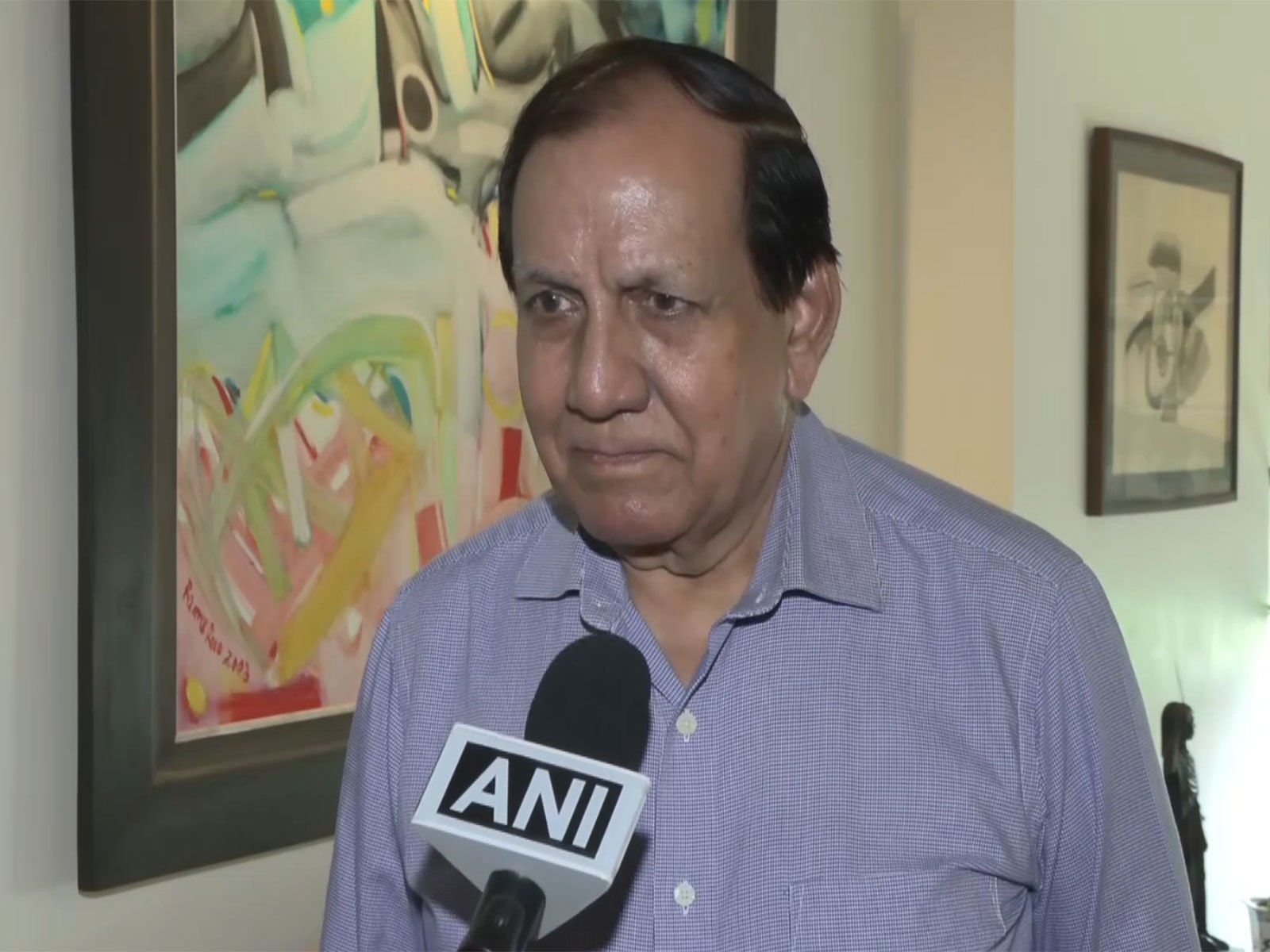
The newly signed Mecca pact between Saudi Arabia, Pakistan and Turkiye has emerged as an important development in the regional security environment, prompting India to carefully assess its possible implications for national security and regional stability.
Former senior diplomat Surendra Kumar described the Mecca pact as a significant development and said several aspects of the agreement needed detailed examination, particularly its provisions concerning collective deterrence and aggression.
The agreement was signed in Mecca on August 7 by Saudi Crown Prince Mohammed bin Salman, Turkish President Recep Tayyip Erdogan and Pakistani Prime Minister Shehbaz Sharif, according to official releases issued by the three countries.
Under the Mecca pact, an armed assault against one member country would be treated as an act of aggression against all three members.
India Closely Examining the Mecca Pact
The Indian government has adopted a cautious approach toward the Mecca pact and is currently examining its possible implications.
The Ministry of External Affairs said New Delhi is closely following developments in West Asia and assessing the agreement from the perspectives of national security, regional peace and stability.
MEA spokesperson Randhir Jaiswal said India remains committed to protecting its national interests and will take all necessary measures in this regard.
The government’s position indicates that India wants to understand the practical consequences of the Mecca pact before reaching a final assessment.
New Delhi is expected to monitor how the three signatories interpret the agreement and whether its collective defence provisions have any impact beyond the immediate West Asian region.
Collective Deterrence Provision Under Scrutiny
One of the most important elements of the Mecca pact is its collective deterrence clause.
The agreement states that an armed attack against one member would be considered an attack or aggression against all three participating countries.
Surendra Kumar said India needs to carefully examine what the agreement means by “aggression.”
According to him, the definition could become particularly important in a situation involving counter-terrorism operations or military action along India’s borders.
The Mecca pact therefore raises questions about how each member country would respond if Pakistan became involved in a future confrontation with India.
The interpretation of collective deterrence will be important in determining the actual strategic significance of the agreement.
Pakistan’s Possible Use of the Agreement
A major concern raised by Kumar relates to the possibility of Pakistan using the Mecca pact in a future confrontation with India.
He referred to India’s counter-terror operations against Pakistan-based terrorist organisations and questioned whether such actions could potentially be described as aggression under the new arrangement.
Kumar stressed that India’s previous operations were directed against terrorist targets and were not intended to occupy Pakistani territory or damage its civilian property.
The distinction between counter-terrorism operations and conventional aggression could therefore become important if tensions between India and Pakistan rise again.
The Mecca pact could potentially introduce additional strategic calculations into any future India-Pakistan crisis.
Turkiye’s Role Draws India’s Attention
Turkiye’s participation in the Mecca pact is another issue being closely watched by India.
Kumar pointed to Turkiye’s support for Pakistan during Operation Sindoor and said New Delhi would need to observe how Ankara responds to future developments.
Turkiye has maintained close defence and strategic relations with Pakistan, while India also maintains diplomatic and economic engagement with Ankara.
The Mecca pact could therefore add another dimension to India’s relationship with Turkiye.
New Delhi will likely examine whether Ankara’s participation remains limited to the agreement’s stated objectives or whether it could influence Turkiye’s position during future India-Pakistan tensions.
Saudi Arabia’s Participation Is Significant
Saudi Arabia’s involvement gives the Mecca pact additional importance because of Riyadh’s strategic position in the Gulf and wider West Asian region.
India maintains strong economic, energy and diplomatic relations with Saudi Arabia. Millions of Indians also have professional and business links with the kingdom.
For this reason, India’s assessment of the Mecca pact will also take into account its wider relationship with Riyadh.
Surendra Kumar suggested that India should use its existing goodwill and diplomatic relationships with Saudi Arabia and Turkiye to understand the agreement’s objectives and possible consequences.
Direct diplomatic engagement could help New Delhi obtain greater clarity about the scope and future implementation of the Mecca pact.
Agreement Says It Is Not Against a Third Country
The participating countries have stated that the Mecca pact is not directed against a third country.
However, Kumar said India would need to carefully examine what this provision means in practical terms.
He questioned how the agreement would operate if one member became involved in a confrontation with another country.
For India, this issue is particularly relevant because Pakistan is one of the three signatories.
The Mecca pact could therefore be closely examined by Indian policymakers to determine whether its collective defence provisions could indirectly influence future disputes involving Pakistan.
India Wants to Watch and Analyse
Kumar has advised New Delhi to continue monitoring the Mecca pact rather than immediately reaching a final conclusion.
He suggested that India should watch how the arrangement develops and analyse its practical implications over time.
This approach would allow Indian policymakers to distinguish between the agreement’s stated objectives and its actual implementation.
The practical significance of the Mecca pact will become clearer as Saudi Arabia, Pakistan and Turkiye begin implementing their defence cooperation commitments.
India is expected to closely monitor military cooperation, diplomatic coordination and any statements made by the three governments.
Saudi Arabia Clarifies the Nature of the Agreement
Saudi Arabia has separately clarified that the Mecca pact does not constitute a traditional military alliance or a religious bloc.
Riyadh also said that the arrangement does not involve nuclear pursuits or a regional arms race.
The Saudi statement emphasised the goal of developing sustainable and self-reliant capabilities while maintaining the kingdom’s existing relationships with Gulf, Arab and international partners.
These assurances could be significant for India because New Delhi has developed a strong strategic relationship with Saudi Arabia.
The Mecca pact will therefore be assessed not only through its defence provisions but also through Riyadh’s broader foreign-policy commitments.
Impact on India-Pakistan Relations
The Mecca pact could potentially have implications for the already sensitive India-Pakistan relationship.
The two countries have a long history of military tensions, cross-border terrorism concerns and political disputes.
If the collective deterrence provision is interpreted broadly, any future conflict involving Pakistan could potentially create additional strategic considerations for India.
However, the actual impact of the Mecca pact will depend on how its members interpret the agreement and whether the collective provision is activated during a specific crisis.
India is therefore likely to focus on the practical implementation of the agreement rather than its wording alone.
India’s Diplomatic Options
India has several diplomatic channels through which it can seek greater clarity regarding the Mecca pact.
Its relationship with Saudi Arabia provides an important avenue for dialogue, particularly given the strong economic and energy ties between the two countries.
India can also engage Turkiye through existing diplomatic channels to understand Ankara’s interpretation of the new arrangement.
Kumar has specifically suggested that New Delhi should speak with both countries to understand the agreement’s implications.
Such engagement could help India assess whether the Mecca pact is primarily a regional defence arrangement or whether it could eventually have wider strategic consequences.
Regional Security Implications
The Mecca pact comes at a time of significant geopolitical uncertainty in West Asia.
The region has experienced tensions involving Israel, Iran, Gulf countries and other regional actors, while the broader security environment remains fluid.
The participation of Saudi Arabia and Turkiye gives the agreement significance beyond the immediate Pakistan dimension.
For India, the Mecca pact will therefore need to be considered as part of the wider changes taking place in the regional security architecture.
New Delhi will likely continue tracking developments while maintaining diplomatic engagement with all relevant countries.
What Happens Next?
The next phase will involve observing how the Mecca pact is implemented by Saudi Arabia, Pakistan and Turkiye.
India will be watching the development of defence cooperation, military coordination and the interpretation of the collective deterrence provision.
The government’s current position remains cautious, with the MEA saying that it is examining the agreement’s implications for national security and regional stability.
The Mecca pact is therefore likely to remain an important subject for Indian strategic and diplomatic observers in the coming months.
About The Author