

China Space Power Expansion: PLA’s Growing Capabilities Raise Concerns Over Global Space Security
 admin
admin 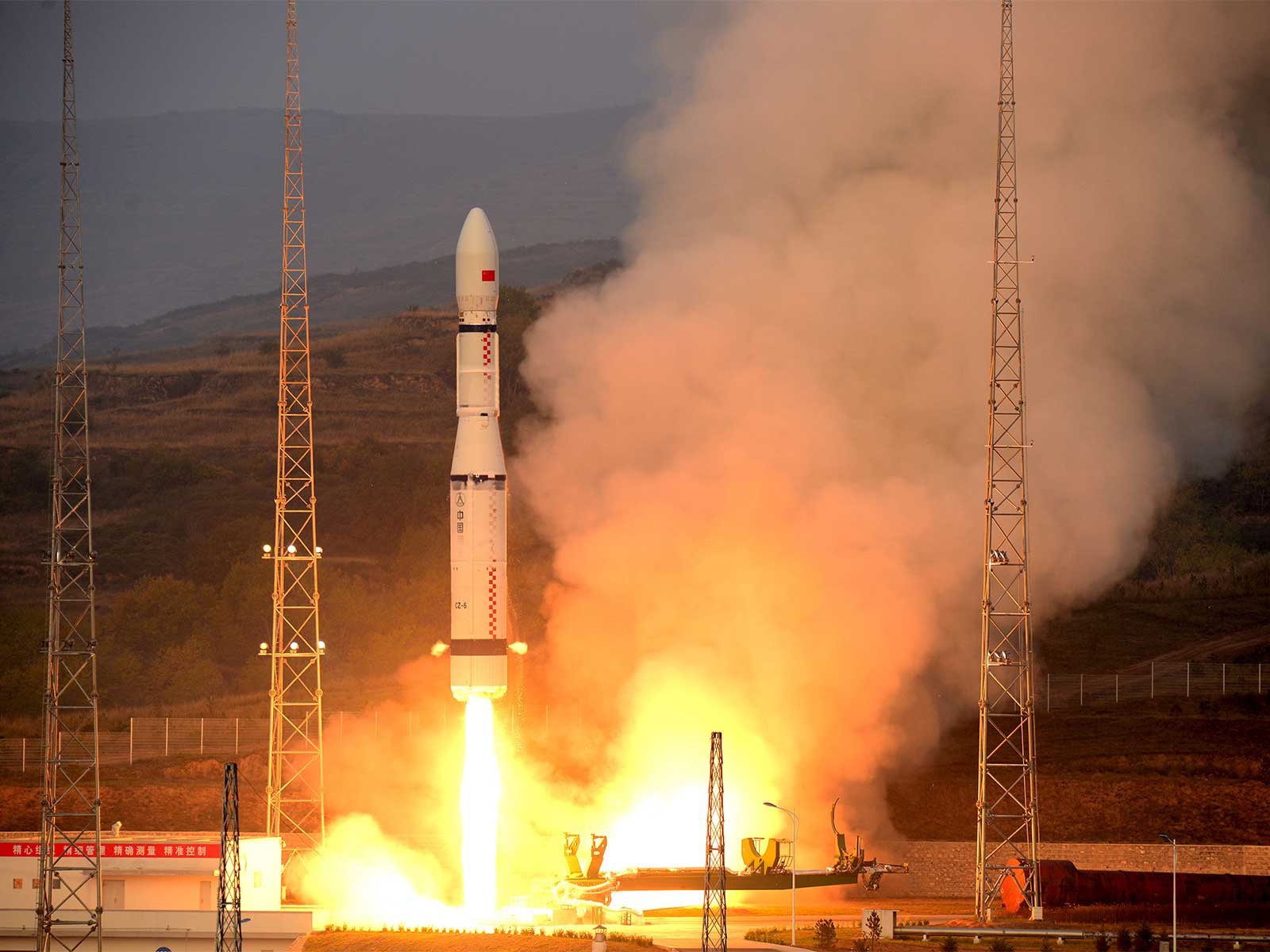
The China Space Power Expansion has become one of the most significant developments in global strategic competition. Over the past decade, China has rapidly strengthened its space infrastructure, satellite networks, launch capabilities, and military space technology. The country’s growing presence in orbit has attracted worldwide attention, especially from the United States, which views China’s advancements as a major challenge to its long-standing leadership in space.
China’s space ambitions are no longer limited to scientific research or commercial activities. The People’s Liberation Army (PLA) plays a central role in managing many aspects of China’s space ecosystem, integrating civilian innovations with military requirements. This approach has helped Beijing develop advanced systems that support communication, surveillance, navigation, and strategic operations.
China Space Power Expansion and the Rise of PLA Space Capabilities
The China Space Power Expansion reflects Beijing’s broader goal of becoming a dominant force in outer space. Chinese military documents have described space as a critical strategic domain that can influence future conflicts. The PLA considers space-based assets essential for modern warfare, particularly for intelligence gathering, communication, and precision operations.
China has built multiple space launch facilities and continues expanding its ability to deploy satellites quickly. With increasing numbers of orbital missions, Beijing has demonstrated its capacity to develop large satellite networks that support both civilian and defense objectives.
Unlike the United States, where civilian and military space programs are operated separately through organizations such as NASA and the Pentagon, China’s space activities often involve close coordination between government agencies, research institutions, and military organizations.
Growing Satellite Network Strengthens China’s Position
A major factor behind the China Space Power Expansion is the rapid growth of China’s satellite fleet. Satellites have become essential tools for modern militaries because they provide real-time information, communication support, navigation services, and surveillance capabilities.
China has developed hundreds of satellites dedicated to Earth observation, intelligence gathering, communication, and navigation. These systems allow Beijing to monitor military activities, track strategic locations, and improve battlefield awareness.
The expansion of satellite networks also supports China’s ambitions in the Indo-Pacific region, where military competition has increased in recent years. Satellite-based monitoring can provide valuable information about naval movements, aircraft operations, and military infrastructure.
China Develops Advanced Counter-Space Technologies
One of the biggest concerns surrounding the China Space Power Expansion is Beijing’s development of counter-space capabilities. These technologies are designed to interfere with or disable an opponent’s space-based systems during a conflict.
China has already demonstrated anti-satellite (ASAT) capabilities. In 2007, Beijing conducted a controversial test by destroying an inactive satellite using a ground-based missile. The test highlighted China’s ability to target objects in orbit and raised concerns about the possibility of future space conflicts.
Apart from missile-based systems, experts believe China is also developing electronic warfare tools, satellite jamming technology, cyber capabilities, and robotic spacecraft that could influence operations in orbit.
Space Becomes a New Battlefield Between China and the US
The China Space Power Expansion has intensified competition between Beijing and Washington. The United States considers space superiority essential for maintaining military advantages, while China views space technology as a key element of national security.
American officials have repeatedly warned that Chinese satellites and spacecraft are becoming increasingly capable of conducting complex orbital maneuvers. These activities include close approaches between satellites, inspections, and operations that could potentially be used for military purposes.
The development of reusable rockets, mega satellite constellations, and advanced spacecraft demonstrates China’s commitment to becoming a leading space power. These technologies could provide Beijing with greater flexibility during both peaceful missions and potential conflicts.
China’s Moon Mission and Future Space Goals
Another important part of the China Space Power Expansion is Beijing’s long-term lunar exploration strategy. China plans to achieve a crewed Moon landing in the coming years and establish a stronger presence beyond Earth’s orbit.
The country’s lunar ambitions are part of a larger vision to become a global leader in space exploration. Along with scientific objectives, these missions also demonstrate technological progress and national power.
China is also investing heavily in commercial space companies, reusable launch vehicles, and satellite manufacturing. These developments support the country’s military-civil fusion strategy, where commercial innovations can contribute to defense capabilities.
Global Concerns Over Space Militarization
The rapid China Space Power Expansion has increased discussions about the militarization of outer space. Many experts believe that future conflicts may involve attacks on communication networks, navigation systems, and surveillance satellites.
Modern militaries depend heavily on space technology. A disruption of satellite services could affect military communication, missile warning systems, navigation, and intelligence operations.
The possibility of space-based confrontations has encouraged countries to improve satellite protection, develop defensive technologies, and create new strategies for operating in an increasingly competitive environment.
The Future of the Global Space Race
The China Space Power Expansion indicates that the global space race is entering a new phase. China is investing significant resources into satellite systems, launch technology, lunar missions, and military space capabilities.
While Beijing states that its space activities are focused on peaceful purposes, other nations remain cautious due to the dual-use nature of many space technologies. The same systems that support scientific research and communication can also provide military advantages.
As China continues expanding its capabilities, the competition between major space powers is expected to grow. The future of global security may depend not only on developments on Earth but also on the ability of nations to operate, protect, and compete in outer space.
The China Space Power Expansion represents a major shift in international strategic competition. With advanced satellites, counter-space technology, and ambitious exploration goals, China is positioning itself as one of the world’s most influential space powers.
About The Author