

 admin
admin 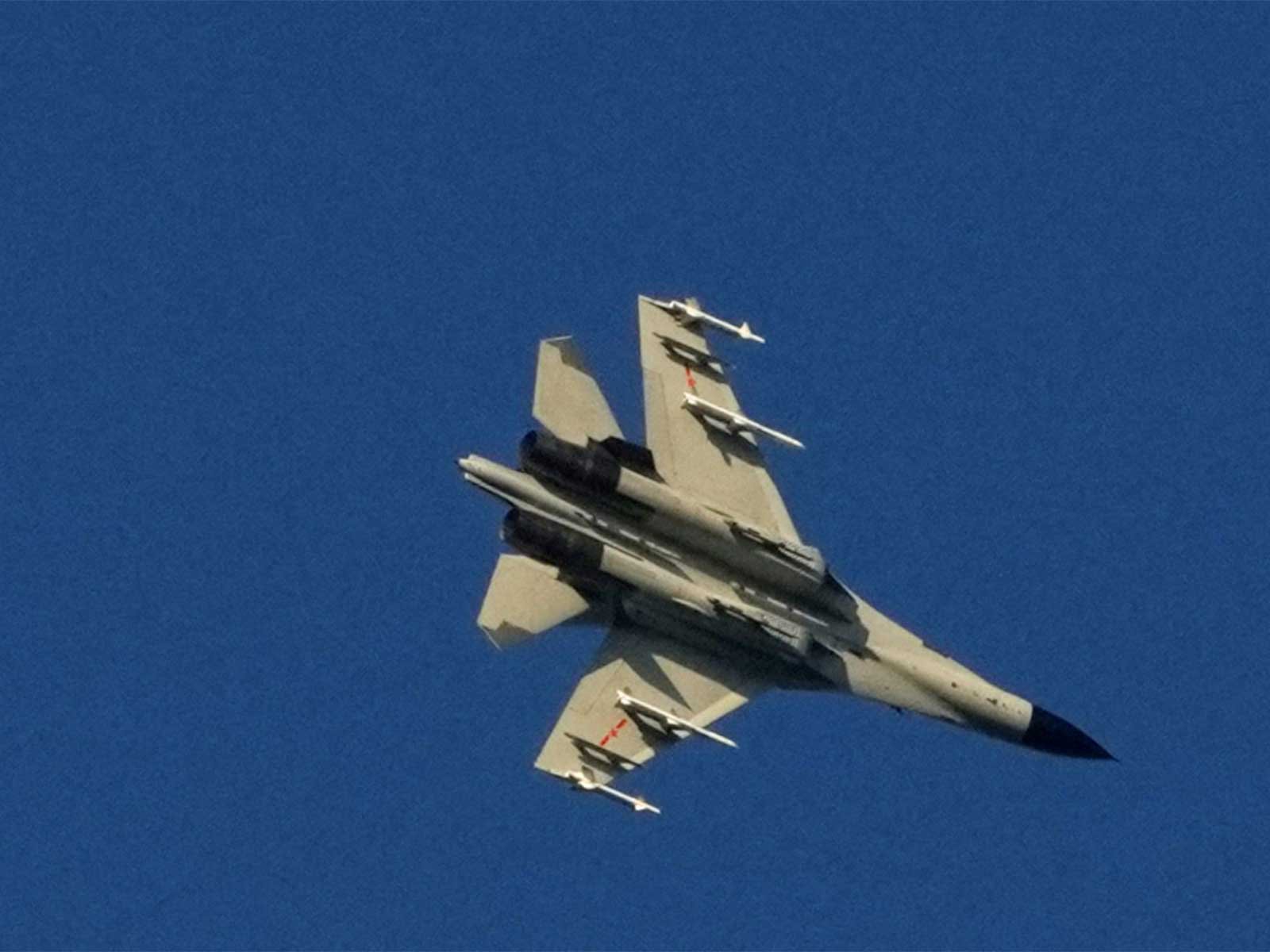
Taiwan’s Ministry of National Defence (MND) reported that 20 PLA aircraft were detected operating around Taiwan on Wednesday, along with seven People’s Liberation Army Navy (PLAN) vessels and six official ships.
According to the Taiwanese defence ministry, 15 of the 20 PLA aircraft entered Taiwan’s northern, central, southwestern and eastern parts of the island’s Air Defence Identification Zone (ADIZ). Taiwan’s armed forces monitored the activity and responded to the detected movements.
In a statement shared on X, Taiwan’s Ministry of National Defence said the PLA aircraft were detected up until 6 a.m. local time, or UTC+8. The ministry also reported seven PLAN vessels and six official ships operating around Taiwan during the same period.
The latest figures represent a notable increase compared with the aerial activity reported by Taiwan on Tuesday and Monday.
15 PLA Aircraft Entered Taiwan’s ADIZ
Taiwan’s defence ministry said 15 of the 20 PLA aircraft detected on Wednesday entered portions of its ADIZ. The activity was recorded across several directions, including the northern, central, southwestern and eastern areas.
An ADIZ is an area where aircraft are expected to identify themselves and provide information to authorities for security monitoring. It is different from a country’s sovereign airspace, but military activity within an ADIZ can still be closely monitored because of its potential security implications.
The presence of PLA aircraft in multiple sections of Taiwan’s ADIZ highlights continuing military activity surrounding the island. Taiwan regularly reports such movements as part of its efforts to maintain situational awareness.
The Taiwanese armed forces said they had monitored the aircraft and other vessels and had taken appropriate responses.
Activity Increased Sharply on Wednesday
The number of PLA aircraft reported on Wednesday was significantly higher than the previous day’s figure.
On Tuesday, Taiwan’s Ministry of National Defence detected five Chinese military aircraft, eight PLAN vessels and seven official ships operating around the island. The ministry said three of the five aircraft entered the northern and eastern parts of Taiwan’s ADIZ.
The Tuesday figures therefore marked a lower level of aerial activity compared with the 20 aircraft detected on Wednesday. Taiwan’s defence authorities continue to closely track movements by PLA aircraft and naval vessels as part of their routine monitoring of military activity around the island.
The change in the number of PLA aircraft from one day to the next demonstrates how military activity around Taiwan can fluctuate considerably over short periods.
Monday Recorded Only One Aircraft
Taiwan had reported an even lower level of aerial activity on Monday.
According to the Ministry of National Defence, only one PLA aircraft was detected operating around Taiwan on Monday, together with nine PLAN vessels and seven official ships.
The ministry said that the single aircraft entered the northern part of Taiwan’s ADIZ. Taiwan’s armed forces monitored the activity and responded accordingly.
The three-day figures show a sharp rise in the number of PLA aircraft detected around Taiwan, from one on Monday to five on Tuesday and 20 on Wednesday.
While daily military activity can vary, Taiwan continues to publicly report movements of PLA aircraft, PLAN vessels and official ships around the island.
China-Taiwan Tensions Remain a Regional Concern
The latest presence of PLA aircraft comes against the backdrop of longstanding political and military tensions between China and Taiwan.
Beijing considers Taiwan an inseparable part of China and maintains that the island is part of its territory. China’s position is reflected in its national policies, domestic laws and official statements.
Taiwan, meanwhile, operates with its own democratically elected government, military, economy and institutions. The island maintains a distinct political and administrative system and has its own armed forces.
The dispute has historical roots that stretch back centuries. Taiwan’s history includes periods of different political control, including the Qing Dynasty’s annexation of the island in 1683 following the defeat of Ming loyalist forces associated with Koxinga.
The issue remains one of the most closely watched security questions in the Indo-Pacific, with military movements involving PLA aircraft and naval vessels receiving significant attention from regional governments and international observers.
Taiwan Continues Monitoring Military Movements
Taiwan’s Ministry of National Defence routinely releases information about PLA aircraft and Chinese naval activity detected around the island.
Such reports provide an indication of the level and location of military activity being observed by Taiwan. The reported presence of PLA aircraft in different sections of the ADIZ is particularly important for Taiwan’s defence monitoring operations.
The MND’s latest report said that Taiwan’s armed forces had continued monitoring the situation and responding to the detected activity.
The deployment of PLA aircraft alongside PLAN vessels and official ships demonstrates that Taiwan’s military surveillance covers both aerial and maritime movements around the island.
For Taiwan, tracking PLA aircraft is an important part of maintaining awareness of potential developments in the surrounding security environment.
What the Latest Figures Show
The latest three-day data released by Taiwan provides a clear comparison of reported activity:
- Wednesday: 20 aircraft, seven PLAN vessels and six official ships; 15 aircraft entered parts of Taiwan’s ADIZ.
- Tuesday: Five aircraft, eight PLAN vessels and seven official ships; three aircraft entered the northern and eastern ADIZ.
- Monday: One aircraft, nine PLAN vessels and seven official ships; the aircraft entered the northern ADIZ.
The figures show that the number of PLA aircraft detected around Taiwan rose sharply on Wednesday.
However, daily military activity should be assessed in context, as the number and location of aircraft and vessels can change from one day to another. Taiwan’s defence authorities continue to monitor these movements and provide updates as part of their regular reporting.
The latest detection of PLA aircraft once again puts Taiwan’s surrounding military environment under the spotlight. With China-Taiwan relations remaining sensitive, continued monitoring of aircraft, naval vessels and official ships is expected to remain a key part of Taiwan’s defence operations. Regional security analysts and governments closely watch these developments because changes in military activity can affect airspace monitoring, maritime preparedness and broader security calculations across the Indo-Pacific.
About The Author