
 admin
admin 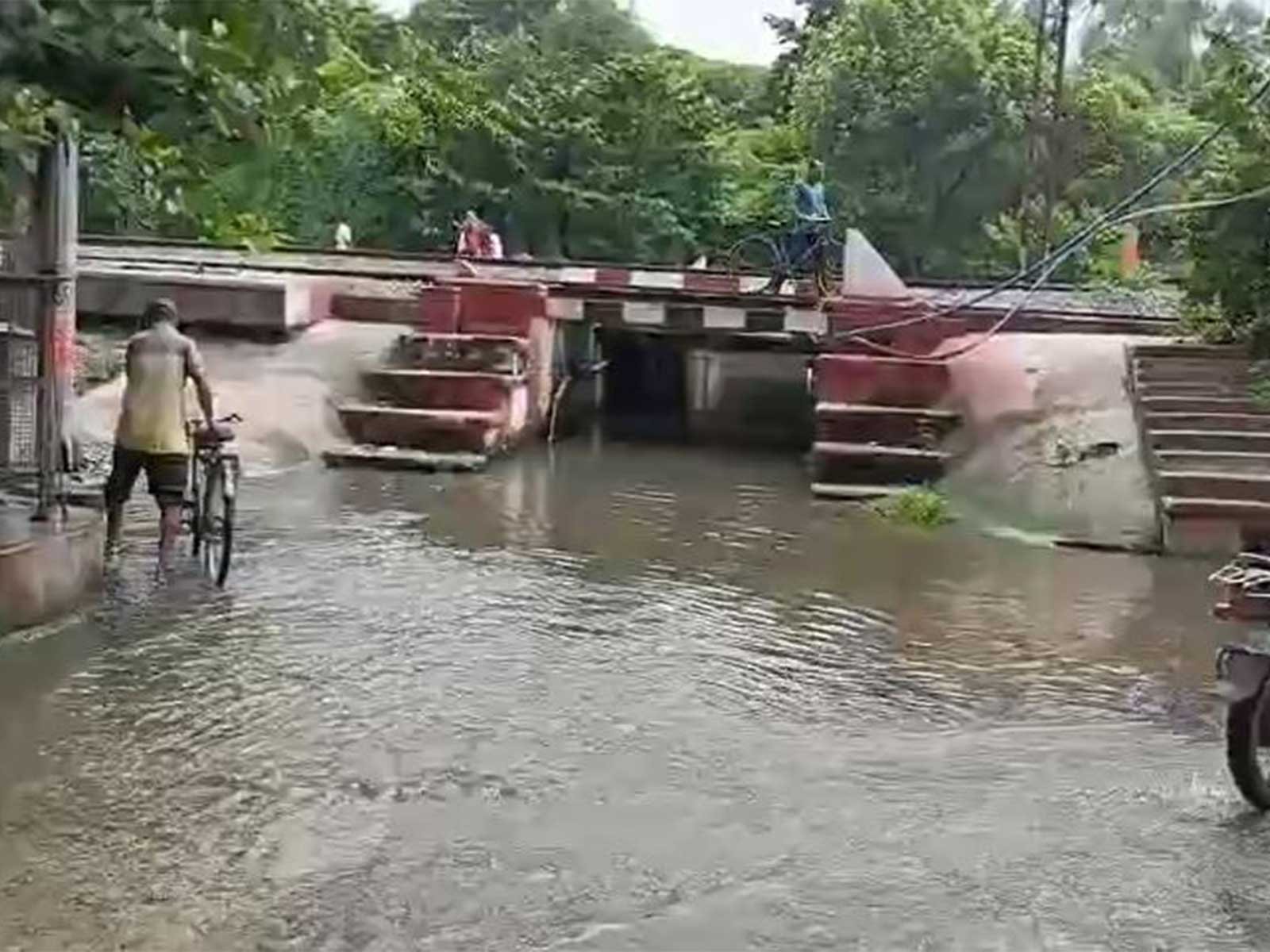
Prolonged Katapol underpass waterlogging in Serampore has created serious difficulties for commuters and residents, with the lack of a proper drainage system leaving the underpass submerged for extended periods.
Residents say water remains accumulated in the area for as long as 15 days at a stretch, making movement difficult and raising concerns about public safety.
The situation has become particularly challenging during the ongoing monsoon season, when heavy rainfall has caused waterlogging and disruption across several parts of West Bengal.
The Katapol underpass waterlogging problem has also highlighted concerns over drainage infrastructure and the availability of functioning water pumps in the area.
Residents Face Prolonged Waterlogging
A resident, Amit Shaw, highlighted the difficulties faced by people because of the prolonged Katapol underpass waterlogging.
According to Shaw, water can remain accumulated in the area for up to 15 days. Residents reportedly face additional problems when they complain about the pumping system and are told that the motor is not functioning.
The prolonged accumulation of water creates difficulties for pedestrians as well as other commuters trying to move through the area.
For local residents, the problem is not limited to inconvenience. Persistent waterlogging can affect daily travel, access to essential services and the movement of children and elderly people.
The Katapol underpass waterlogging has therefore become a significant concern for people living around the area.
Railway Track Crossing Raises Safety Concerns
One of the most serious concerns raised by residents is the need to cross railway tracks when the underpass becomes unusable.
Shaw said residents sometimes have to cross railway tracks to help children reach their destinations because taking an alternative route would require a long detour.
Such crossings can create significant safety risks, particularly when visibility is poor or when the tracks are crowded with people attempting to avoid flooded roads.
The continuing Katapol underpass waterlogging therefore presents both an infrastructure problem and a public safety concern.
Residents have called attention to the need for a more effective drainage arrangement so that the underpass does not remain flooded for days after heavy rainfall.
Heavy Rainfall Worsens Waterlogging Across West Bengal
The Katapol underpass waterlogging issue comes amid heavy and intermittent rainfall across several parts of West Bengal.
Areas including Kolkata, Howrah, Hooghly, North 24 Parganas and South 24 Parganas have experienced significant rainfall in recent days.
The rainfall has resulted in traffic congestion, waterlogging and disruption to normal life in several urban areas.
During the monsoon, low-lying roads and underpasses can become particularly vulnerable to water accumulation when drainage systems are unable to remove rainwater quickly.
The situation at Katapol reflects a wider challenge faced by several municipalities across the state.
Poor Drainage Remains a Key Challenge
A major factor behind the Katapol underpass waterlogging is the reported lack of a proper drainage system.
Effective drainage is essential for preventing rainwater from accumulating on roads and underpasses. When drains are inadequate or pumping systems fail, water can remain in place for several days.
Residents’ complaints regarding a broken pump have further highlighted concerns about the maintenance of drainage infrastructure.
Regular maintenance of pumps, drainage channels and other water-management systems can play an important role in reducing the impact of heavy rainfall.
For an area used regularly by commuters, prolonged flooding can have a direct impact on mobility and safety.
West Bengal Sees Wider Rain-Related Disruption
The Katapol underpass waterlogging comes at a time when several districts of West Bengal are dealing with the effects of heavy rainfall.
Chief Minister Suvendu Adhikari spoke about the situation in Purba Medinipur and said several government agencies were working together to assist people affected by the rainfall.
He said many residents had been affected by waterlogging and that some people had left their homes and moved to shelters.
Police, civil administration and irrigation authorities were reportedly working together under the leadership of the District Magistrate.
The state government’s response demonstrates the scale of the rainfall-related challenges being faced in different parts of West Bengal.
Thousands Affected in Purba Medinipur
According to the Chief Minister, electricity had not yet been restored to around 32,000 houses in the affected areas.
He also said approximately 15,000 people were staying in camps because they had not been able to return to their homes.
Health and Public Health Engineering departments were also assigned responsibilities related to the response.
The Chief Minister further said that the Sabang and Narayangarh assembly constituencies in West Midnapore were in particularly poor condition.
Around 15,000 relief kits were reportedly requested for distribution in affected areas.
While the Katapol underpass waterlogging is a localised issue in Hooghly, the wider rainfall situation shows that water-related disruption is affecting communities across the state.
Urban Flooding Remains a Monsoon Problem
The Katapol underpass waterlogging highlights the broader issue of urban flooding in West Bengal.
Every monsoon, several municipalities face difficulties managing large volumes of rainwater. Low-lying roads, underpasses and poorly drained neighbourhoods are particularly vulnerable.
Civic authorities often deploy pumps and emergency teams to remove accumulated water and reopen roads.
However, temporary pumping measures may not be enough when waterlogging continues for several days.
A long-term solution requires improvements in drainage capacity, regular maintenance and better planning for areas that are historically vulnerable to flooding.
Why Underpass Drainage Is Important
Underpasses are particularly sensitive to water accumulation because they are located below surrounding road levels.
When rainfall is heavy, water can quickly collect at the lowest point. Without an efficient drainage or pumping system, the accumulated water can become difficult to remove.
The Katapol underpass waterlogging situation demonstrates the consequences of prolonged water accumulation.
Keeping drainage pumps operational is therefore crucial, especially during the monsoon season.
Authorities also need to ensure that emergency response teams can reach flooded locations quickly and that commuters receive timely information about alternative routes.
Commuters Face Longer Detours
When the Katapol underpass becomes flooded, residents may have to find alternative routes to reach their destinations.
Longer detours can increase travel time and create additional traffic pressure on nearby roads.
For families with children, the situation can be particularly difficult. Residents have also raised concerns about the safety of railway-track crossings when the flooded underpass prevents normal movement.
The Katapol underpass waterlogging therefore affects more than road traffic. It can disrupt pedestrian movement and create difficult choices for residents trying to reach schools, workplaces and other destinations.
Residents Seek a Permanent Solution
The repeated nature of the Katapol underpass waterlogging suggests that residents are looking for a permanent solution rather than temporary relief.
A properly designed drainage system could help prevent rainwater from remaining at the underpass for extended periods.
Authorities may also need to examine the condition and capacity of existing pumps and ensure that equipment is repaired quickly when failures occur.
Regular pre-monsoon inspections could help identify problems before heavy rainfall begins.
Such measures could reduce the duration of waterlogging and improve safety for people living and travelling in the area.
Heavy Rain Tests Civic Infrastructure
The Katapol underpass waterlogging issue also highlights how extreme rainfall can test urban infrastructure.
As cities expand, drainage systems need to be capable of handling changing rainfall patterns and increased surface runoff.
When infrastructure does not keep pace with these challenges, even a few days of heavy rain can cause major disruption.
For West Bengal, recurring monsoon waterlogging remains an important civic challenge.
Long-term planning, improved drainage networks, regular maintenance and rapid emergency response can help reduce the impact on residents.
What Needs to Be Done?
The immediate priority in the Katapol underpass waterlogging situation is to remove accumulated water and restore safe movement.
Authorities can also inspect the existing pump system and address reported mechanical problems.
In the longer term, drainage capacity around the underpass may need to be reviewed to determine whether it can handle heavy rainfall.
Clear pedestrian routes and safe alternatives should also be provided when the underpass is flooded.
Most importantly, residents should not have to depend on unsafe railway-track crossings because of a blocked public route.
Katapol Underpass Waterlogging Highlights Need for Better Drainage
The prolonged Katapol underpass waterlogging in Serampore has become a serious concern for local residents and commuters.
Water reportedly remains in the area for up to 15 days, while problems with pumping equipment have added to the difficulties.
The need to use longer detours and, in some cases, cross railway tracks has raised serious safety concerns.
The issue comes amid widespread heavy rainfall and waterlogging across West Bengal, with several districts facing disruption and thousands of people affected.
As the monsoon continues, the Katapol situation underlines the need for reliable drainage infrastructure, functioning pumps and faster responses to waterlogging.
A permanent solution could significantly improve safety and mobility for residents while reducing the repeated disruption caused by heavy rainfall.
Key Takeaways
- Katapol underpass waterlogging has affected commuters and residents in Serampore.
- Residents say water can remain for up to 15 days.
- A reported pump failure has added to the problem.
- Some residents say they have to cross railway tracks to avoid the flooded underpass.
- Heavy rainfall has caused waterlogging across several West Bengal districts.
- Around 32,000 houses in affected areas of Purba Medinipur reportedly lacked electricity.
- Around 15,000 people were staying in relief camps, according to the Chief Minister.
- Civic authorities regularly use pumps and emergency teams to tackle urban flooding.
- Residents are seeking a more permanent drainage solution.
About The Author