
 admin
admin 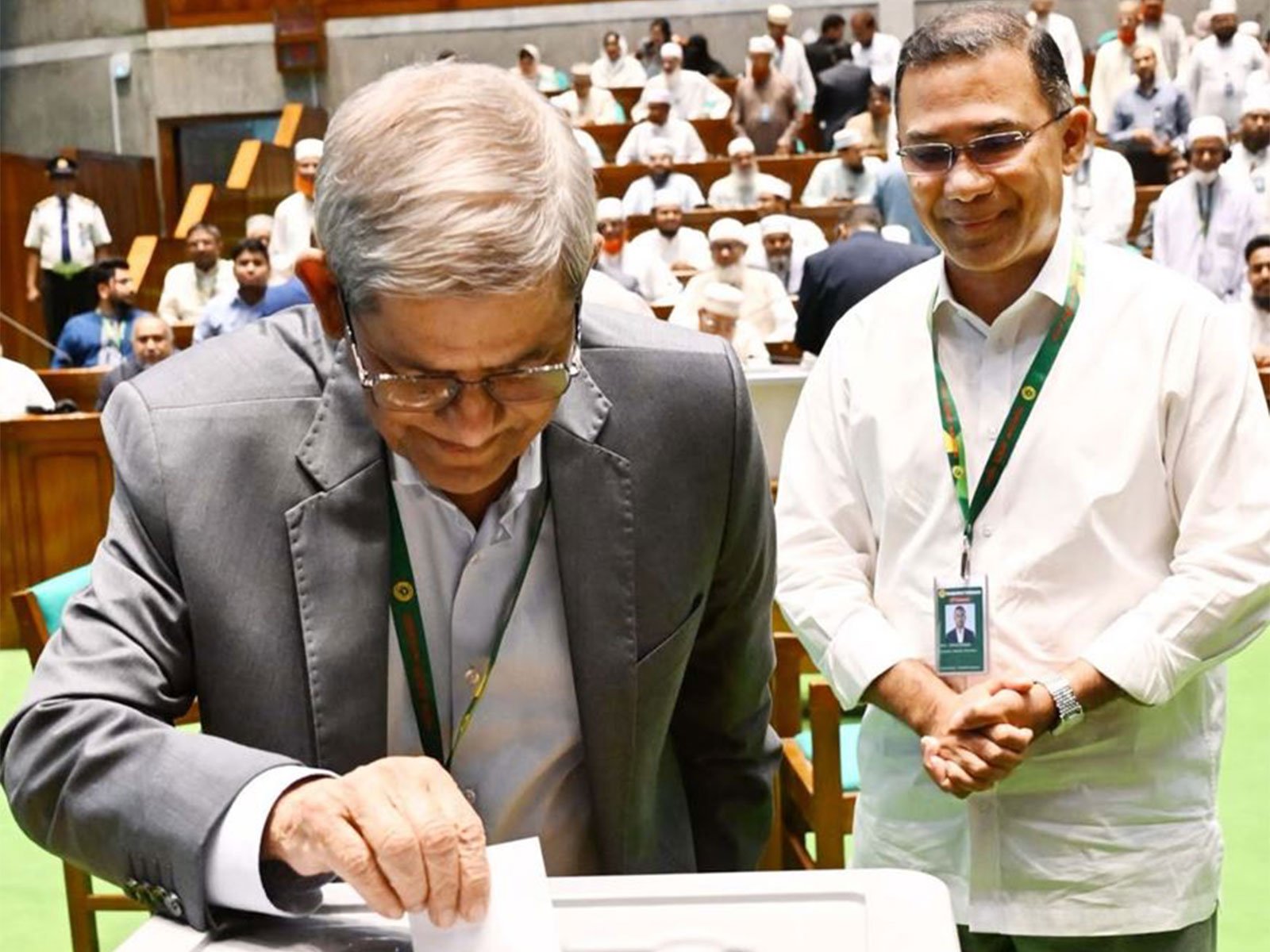
Dhaka: Bangladesh has witnessed a major political development as former Bangladesh Nationalist Party (BNP) Secretary General Mirza Fakhrul Islam Alamgir President was elected as the country’s 23rd President.
Alamgir secured 255 votes in the presidential election held at the Jatiya Sangsad, Bangladesh’s Parliament. His victory marks an important political transition as he moves from leading a major political organisation to occupying the country’s highest constitutional office.
The election was conducted between 2 pm and 5 pm local time under the supervision of Chief Election Commissioner ASM Nasir Uddin. After counting the votes, the Chief Election Commissioner officially announced Alamgir as the newly elected President of Bangladesh.
Mirza Fakhrul Islam Alamgir President Wins Parliamentary Election
The election of Mirza Fakhrul Islam Alamgir President came after he defeated Oli Ahmed, who was supported by an 11-party opposition alliance led by Bangladesh Jamaat-e-Islami and the National Citizen Party (NCP).
Oli Ahmed received 88 votes in the election, while Alamgir secured a clear majority with 255 votes.
A total of 343 members of Parliament participated in the voting process. Although the Jatiya Sangsad has 350 seats, voting was held among 349 members because the election process in one constituency had been suspended.
The result officially ended the process of selecting Bangladesh’s new head of state following the vacancy created by the resignation of former President Mohammad Shahabuddin.
Historic Election Marks New Phase for Bangladesh Politics
The election of Mirza Fakhrul Islam Alamgir President became significant because it was the first time in 35 years that more than one candidate contested the Bangladeshi presidential election.
In earlier presidential elections, opposition parties generally did not nominate candidates, resulting in a single candidate contest.
The multi-candidate election reflected a new phase in Bangladesh’s political environment, with greater participation from different political groups.
Alamgir’s victory also represents a major shift in his political journey, moving from the BNP’s organisational leadership to the country’s constitutional leadership.
Mirza Fakhrul Islam Alamgir President Nomination Process
Before becoming President, Alamgir was nominated as the BNP’s presidential candidate after discussions within the party leadership.
Following his nomination, he resigned from his position as BNP Secretary General and stepped down from the party’s National Standing Committee.
BNP Senior Joint Secretary General Ruhul Kabir Rizvi announced Alamgir’s nomination after a meeting of the party’s National Standing Committee.
The decision was reportedly taken after discussions with Bangladesh’s political leadership and BNP Chairman Tarique Rahman.
His nomination highlighted the BNP’s confidence in Alamgir’s political experience and leadership abilities.
Constitutional Process Behind Bangladesh Presidential Election
The election of Mirza Fakhrul Islam Alamgir President followed the resignation of former President Mohammad Shahabuddin.
Shahabuddin resigned from office citing serious health complications after serving as Bangladesh’s 22nd President since April 2023.
According to Bangladesh’s Constitution, when the presidency becomes vacant, the Speaker of Parliament temporarily assumes presidential duties until a new President is elected.
Acting President and Jatiya Sangsad Speaker Major (Retd) Hafiz Uddin Ahmed managed presidential responsibilities during the transition period.
The Constitution requires Parliament to elect a new President within 90 days after the vacancy occurs, and Thursday’s election was conducted within that required timeframe.
Bangladesh Enters New Political Phase Under New President
The appointment of Mirza Fakhrul Islam Alamgir President marks a significant political transition for Bangladesh.
His move from BNP leadership to the presidential office represents a major change in his political career and the country’s leadership structure.
During the election, several senior political leaders and Members of Parliament participated in the voting process, highlighting the importance of the constitutional event.
The new President will now take responsibility as the head of state while Bangladesh continues to navigate important political and administrative developments.
Impact of Mirza Fakhrul Islam Alamgir President Election
The election of Mirza Fakhrul Islam Alamgir President is expected to influence Bangladesh’s political landscape in the coming years.
As a senior political figure with decades of experience, Alamgir’s presidency will be closely watched by political observers, regional stakeholders, and citizens.
His transition from party leadership to the presidential role will require maintaining constitutional responsibilities while representing the unity of the nation.
The historic nature of the election, with multiple candidates participating after several decades, has added significance to Bangladesh’s democratic process.
About The Author