
 admin
admin 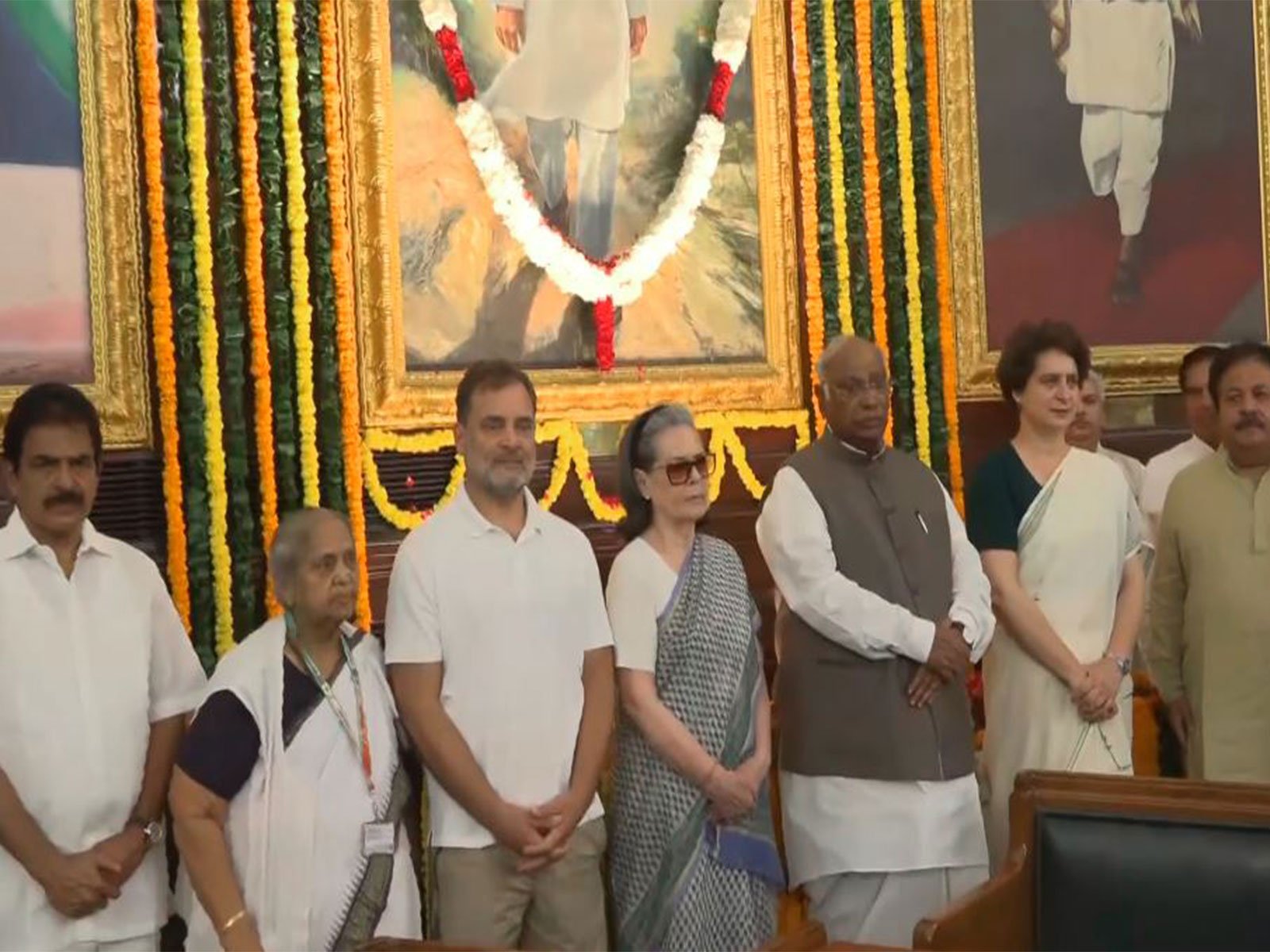
The Rajiv Gandhi Legacy continues to influence India’s political, technological, and social development decades after his tenure as Prime Minister. Remembered as one of India’s youngest Prime Ministers, Rajiv Gandhi played a significant role in introducing technology-driven reforms, strengthening democratic institutions, and promoting modernization across various sectors.
On his birth anniversary, senior Congress leaders, including party president Mallikarjun Kharge, Leader of Opposition Rahul Gandhi, and Congress MP Priyanka Gandhi Vadra, paid floral tributes to Rajiv Gandhi at the Central Hall of Samvidhan Sadan in New Delhi.
The occasion highlighted the importance of the Rajiv Gandhi Legacy and his contributions towards creating a technologically advanced and socially empowered India.
Rajiv Gandhi’s Vision for a Modern India
Rajiv Gandhi became the Prime Minister of India in October 1984 at the age of 40 after the assassination of his mother and former Prime Minister Indira Gandhi. His leadership period focused heavily on modernization, communication technology, education reforms, and administrative improvements.
During his tenure, Rajiv Gandhi promoted the use of computers and information technology at a time when digital transformation was still at an early stage in India. His policies helped create an environment that later supported the rapid expansion of India’s IT sector.
The Rajiv Gandhi Legacy is closely associated with his belief that technology could improve governance, increase efficiency, and create new opportunities for the younger generation.
Contribution Towards India’s IT Growth
One of the most significant aspects of the Rajiv Gandhi Legacy is his contribution to India’s computer and software revolution.
His government introduced policies that reduced import duties on computers and software, making technology more accessible in India. These reforms encouraged businesses, educational institutions, and government departments to adopt computer systems.
In 1988, initiatives supported during his government helped strengthen the software industry through the establishment of the National Association of Software and Service Companies (NASSCOM). This played an important role in creating a foundation for India’s global IT identity.
Today, India’s position as a leading technology hub is often connected with the early technology-focused reforms introduced during Rajiv Gandhi’s leadership.
Focus on Grassroots Democracy
Apart from technology, another important part of the Rajiv Gandhi Legacy was his focus on strengthening local governance.
Rajiv Gandhi believed that democracy should reach villages and local communities. His vision supported greater participation of Panchayati Raj institutions in decision-making processes.
He argued that development should not remain limited to major cities but should benefit people at the grassroots level. Strengthening local bodies became an important part of his political approach.
The idea behind these reforms was to empower ordinary citizens and improve accountability in governance.
Rahul Gandhi Highlights Swaraj Vision
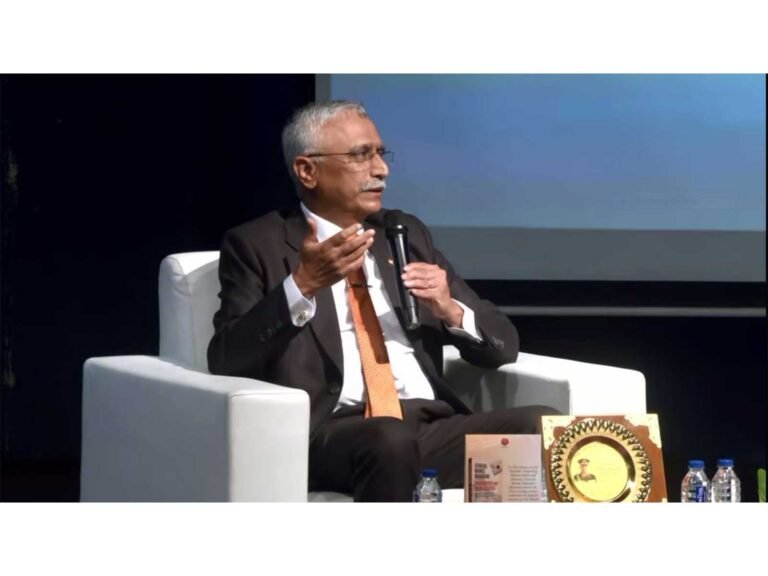
During the event titled “Hara Bhara Swaraj: A Tribute to Rajiv Gandhi’s Vision,” Rahul Gandhi discussed the importance of democratic participation and economic equality.
He highlighted the need for a system where opportunities are distributed widely and where citizens can actively participate in India’s economic and political growth.
According to Rahul Gandhi, true self-rule requires equal access to education, fair opportunities, and stronger democratic institutions.
These discussions brought renewed attention to the Rajiv Gandhi Legacy and his ideas about inclusive development and empowerment.
Rajiv Gandhi’s Role in Youth Empowerment
Rajiv Gandhi is also remembered for focusing on India’s young population. As one of the youngest Prime Ministers of India, he emphasized education, scientific development, and employment opportunities.
His leadership encouraged young Indians to participate in nation-building and embrace emerging technologies.
The expansion of communication networks and technology awareness during his period helped introduce a new generation to digital possibilities.
The Rajiv Gandhi Legacy remains significant because many initiatives started during his government influenced India’s future growth.
A Lasting Impact on Indian Development
Rajiv Gandhi’s political journey ended when he was assassinated by an LTTE suicide bomber during an election rally in Sriperumbudur, Tamil Nadu, on May 21, 1991.
Despite his early departure, his contributions continue to be discussed in the context of India’s technological transformation and democratic reforms.
The Rajiv Gandhi Legacy represents a combination of modernization, technology advancement, youth-focused policies, and efforts towards strengthening democratic institutions.
About The Author