
 admin
admin 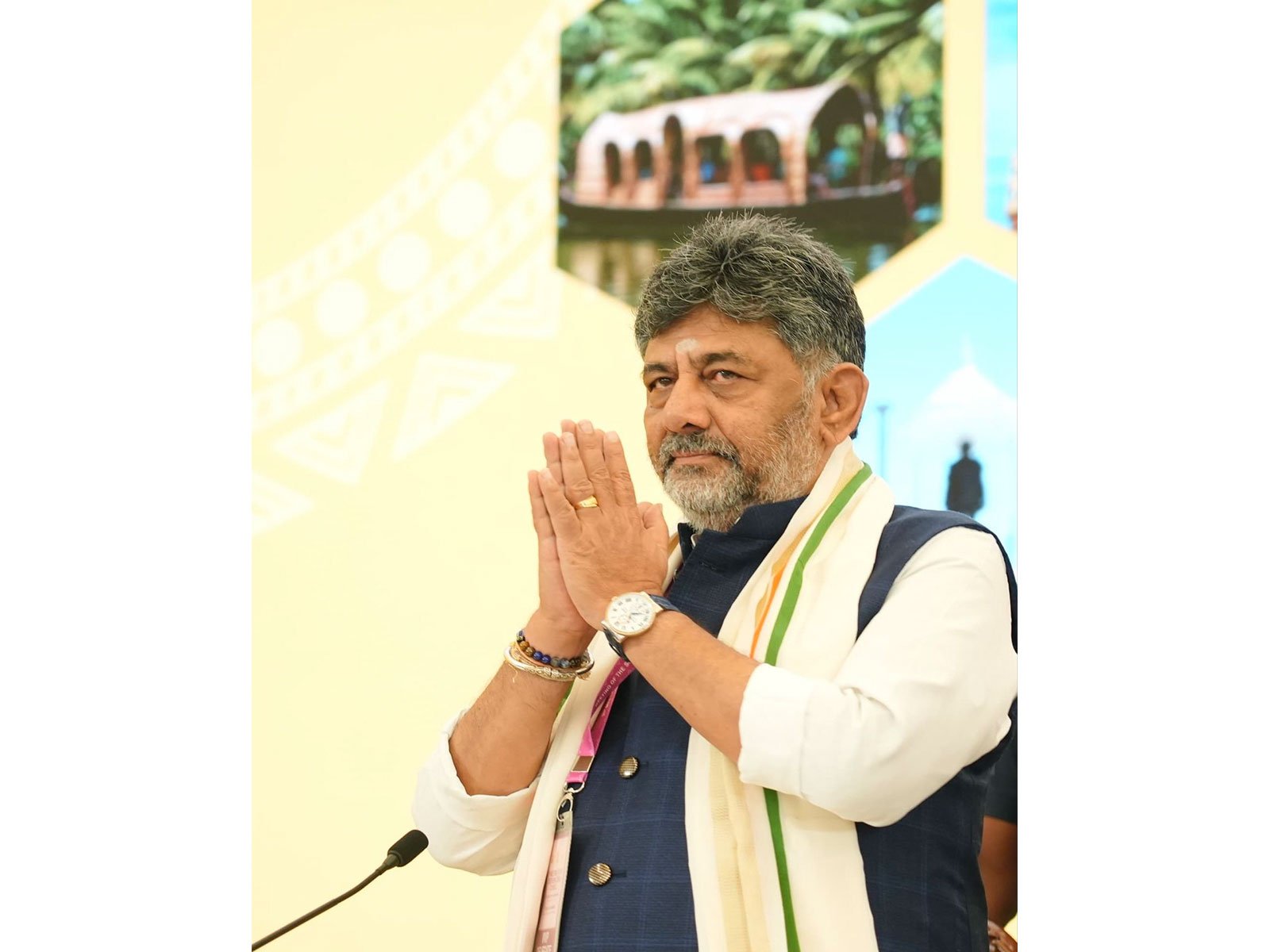
Mahabalipuram, Tamil Nadu: Karnataka Chief Minister DK Shivakumar raised concerns over parliamentary representation and urged the Southern Zonal Council to adopt a resolution supporting the use of the 1971 census as the basis for delimitation.
The DK Shivakumar Delimitation Demand focuses on protecting the political representation of southern states while ensuring fairness during the future delimitation exercise.
Addressing the 31st meeting of the Southern Zonal Council, Shivakumar said that southern states should not lose their political influence because they successfully controlled population growth over the years.
He highlighted that representation is not only about numbers but also about maintaining the voice and contribution of different regions in the country’s democratic structure.
DK Shivakumar Delimitation Demand Seeks 1971 Census Basis
A major part of the DK Shivakumar Delimitation Demand is the request to continue using the 1971 census as the basis for determining parliamentary representation.
Shivakumar argued that southern states responded positively to the country’s population stabilisation goals and should not face reduced political representation because of their success.
He said that states which worked towards population control should not be disadvantaged during the delimitation process.
According to him, the economic contribution and development achievements of southern states should be reflected through their political representation as well.
DK Shivakumar Delimitation Demand Calls for 543 Lok Sabha Seats Freeze
Another important aspect of the DK Shivakumar Delimitation Demand is the proposal to maintain the existing strength of the Lok Sabha at 543 seats for the next 25 years.
Shivakumar urged the Southern Zonal Council to pass a resolution requesting the Union government to freeze the number of parliamentary seats at the current level.
He stated that maintaining the existing number of seats would help protect the balance of representation among different states.
The Karnataka Chief Minister said that political voice should remain protected while ensuring fairness in India’s federal system.
Women’s Reservation Included in DK Shivakumar Delimitation Demand
The DK Shivakumar Delimitation Demand also addressed the issue of women’s reservation in Parliament.
Shivakumar said that women have waited for a long time for equal political representation and that their reservation should not be delayed because of future delimitation exercises.
He suggested that women’s reservation should be implemented within the existing 543 Lok Sabha seats rather than waiting for a fresh population-based calculation.
The Chief Minister emphasised that women’s representation is an important step towards strengthening democracy.
Southern States Raise Concerns Over Political Representation
The DK Shivakumar Delimitation Demand comes amid concerns among southern states that a population-based delimitation exercise could change the balance of parliamentary representation.
Southern states have argued that they successfully implemented population control measures and should not lose political influence because of lower population growth.
Shivakumar said that protecting the South’s political voice is essential for maintaining fairness in India’s federal structure.
He added that fairness should not only be about representation but also about allocation of resources and development opportunities.
DK Shivakumar Appeals for Unity Among Southern Leaders
During the Southern Zonal Council meeting, Shivakumar appealed to other Chief Ministers to support the proposed resolution regarding delimitation.
He expressed confidence that southern states could work together to protect their shared interests and ensure balanced representation.
The DK Shivakumar Delimitation Demand reflects broader discussions about federalism, regional representation, and the future structure of parliamentary seats in India.
The issue is expected to remain an important topic as discussions around delimitation continue at the national level.
Impact of Delimitation Debate on India’s Federal Structure
The debate around delimitation is connected with questions of political representation, population trends, and the relationship between different states.
The DK Shivakumar Delimitation Demand highlights the concerns of states that fear losing representation despite contributing significantly to India’s economic growth.
Experts believe that future discussions on delimitation will require balancing population factors with development achievements, governance performance, and regional fairness.
The Southern Zonal Council meeting provided a platform for states to present their views and discuss solutions for maintaining equitable representation.
About The Author