
 admin
admin 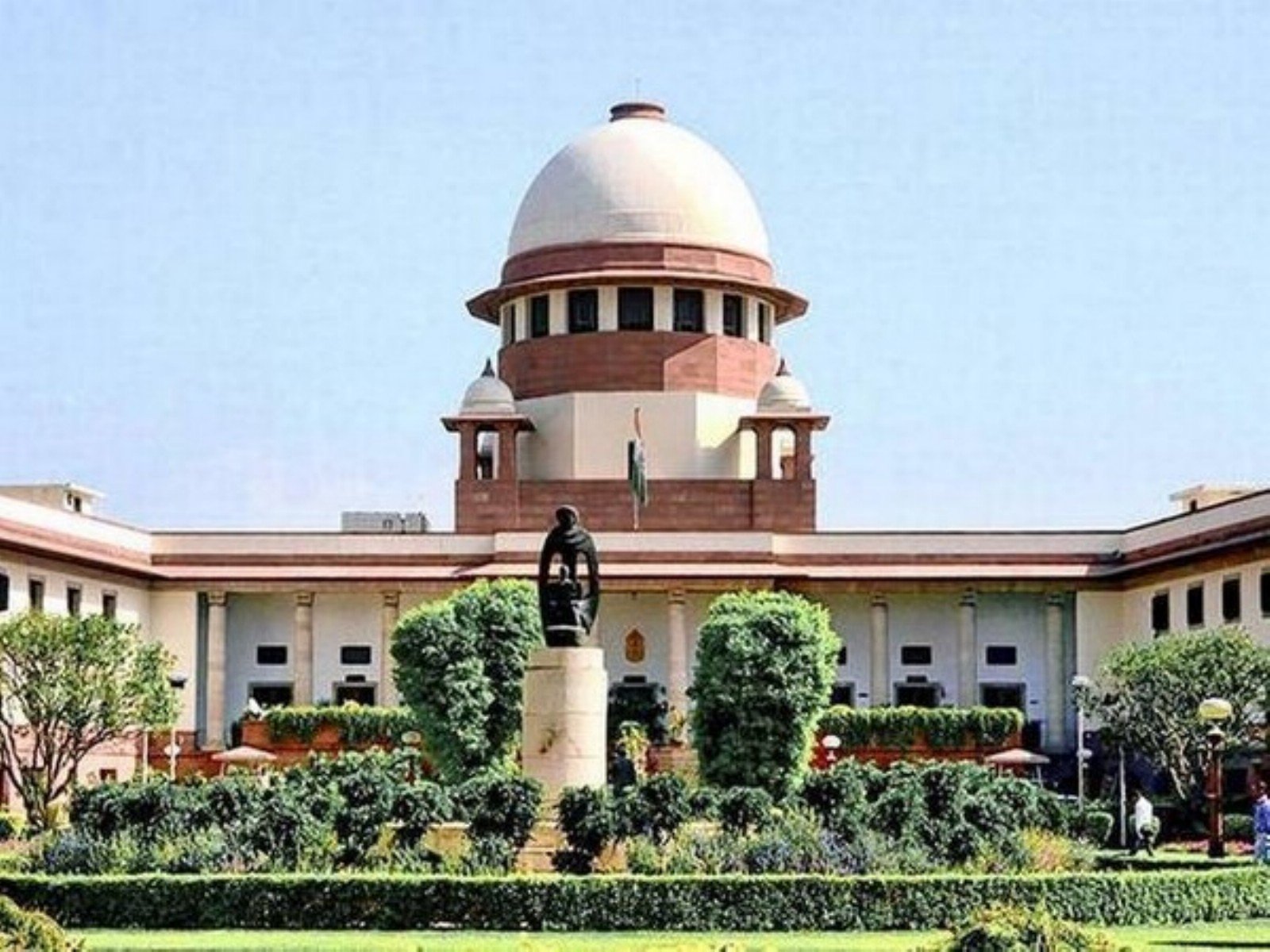
New Delhi: The Supreme Court has constituted a Supreme Court High Powered Committee headed by former Supreme Court Judge Justice R Subhash Reddy to examine allegations of excessive force and violence against protestors by police authorities and other agencies.
The decision comes after petitions were filed alleging police action against students participating in protests related to alleged NEET examination paper leaks and concerns over the examination system.
The committee will examine the circumstances surrounding the protests, police response, and allegations of excessive use of force.
Supreme Court High Powered Committee to Examine Police Action
The Supreme Court High Powered Committee has been formed to conduct an independent review of allegations raised against police authorities during student protests.
The committee will be headed by former SC Judge Justice R Subhash Reddy and will include other experienced officials to ensure a detailed examination of the matter.
Earlier, a bench headed by Chief Justice of India Surya Kant along with Justices Joymalya Bagchi and V Mohana had indicated the formation of such a committee.
The apex court stated that the panel would also include a former High Court judge and a retired Director General of Police.
Supreme Court High Powered Committee Includes Experienced Members
The Supreme Court informed that consent from a former CBI Director and a former DGP, who are not associated with any of the states involved in the matter, had been obtained.
The inclusion of independent members is expected to bring transparency and credibility to the investigation process.
The Supreme Court High Powered Committee will look into various aspects, including the allegations of police behaviour, circumstances leading to clashes, and actions taken during demonstrations.
The committee’s findings are expected to help provide clarity on the events surrounding the protests.
NEET Protest Violence Allegations Behind Committee Formation
The formation of the Supreme Court High Powered Committee comes after a series of student protests linked to alleged NEET examination paper leaks and demands for reforms in the examination system.
Students had organised demonstrations at Jantar Mantar and other locations across the country, raising concerns regarding examination transparency and accountability.
The protests gained attention after thousands of students participated in a march towards Parliament, demanding action over alleged irregularities and seeking reforms in the education system.
Supreme Court Reviews Alleged Excessive Force During Protests
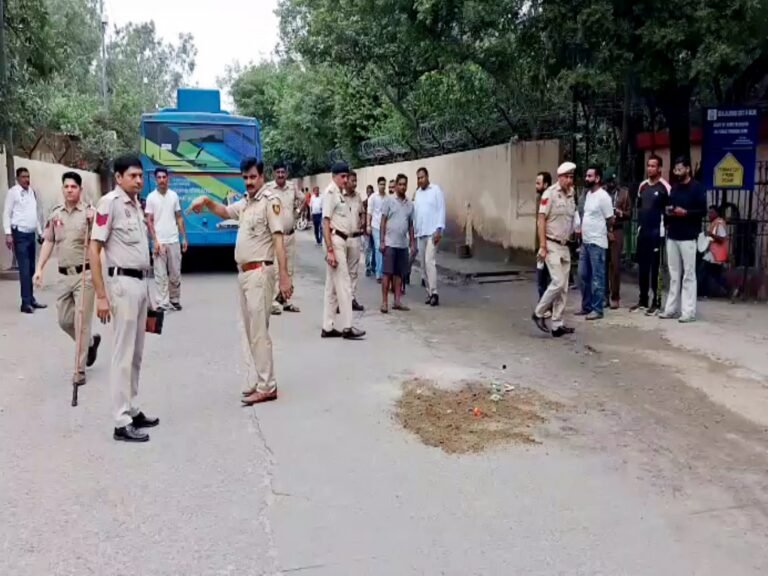
During the protests in central Delhi, demonstrators attempted to move towards Parliament while crossing police barricades.
According to reports, security personnel used tear gas and lathi-charge to control the situation after tensions escalated.
Several videos circulated on social media, allegedly showing protesters being handled by police personnel, leading to allegations of excessive use of force.
The Supreme Court High Powered Committee will now examine these allegations and review the circumstances that resulted in police action.
Police Defends Action During Student Demonstrations
The Delhi Police has defended its response during the protests, stating that force was used only after certain sections of the crowd allegedly became violent.
Police authorities claimed that some protesters engaged in stone-pelting, which led security personnel to take necessary action to control the situation.
The committee will consider statements from different sides and review available evidence before reaching any conclusions.
The purpose of the Supreme Court High Powered Committee is to ensure an impartial assessment of the events.
Supreme Court High Powered Committee Expected to Ensure Transparency
The formation of the committee highlights the Supreme Court’s focus on addressing concerns related to protests, law enforcement actions, and public accountability.
An independent review process can help determine the facts behind the allegations and provide recommendations for future situations involving public demonstrations.
The Supreme Court High Powered Committee is expected to examine all related circumstances and submit its observations after completing the review.
About The Author