admin
admin 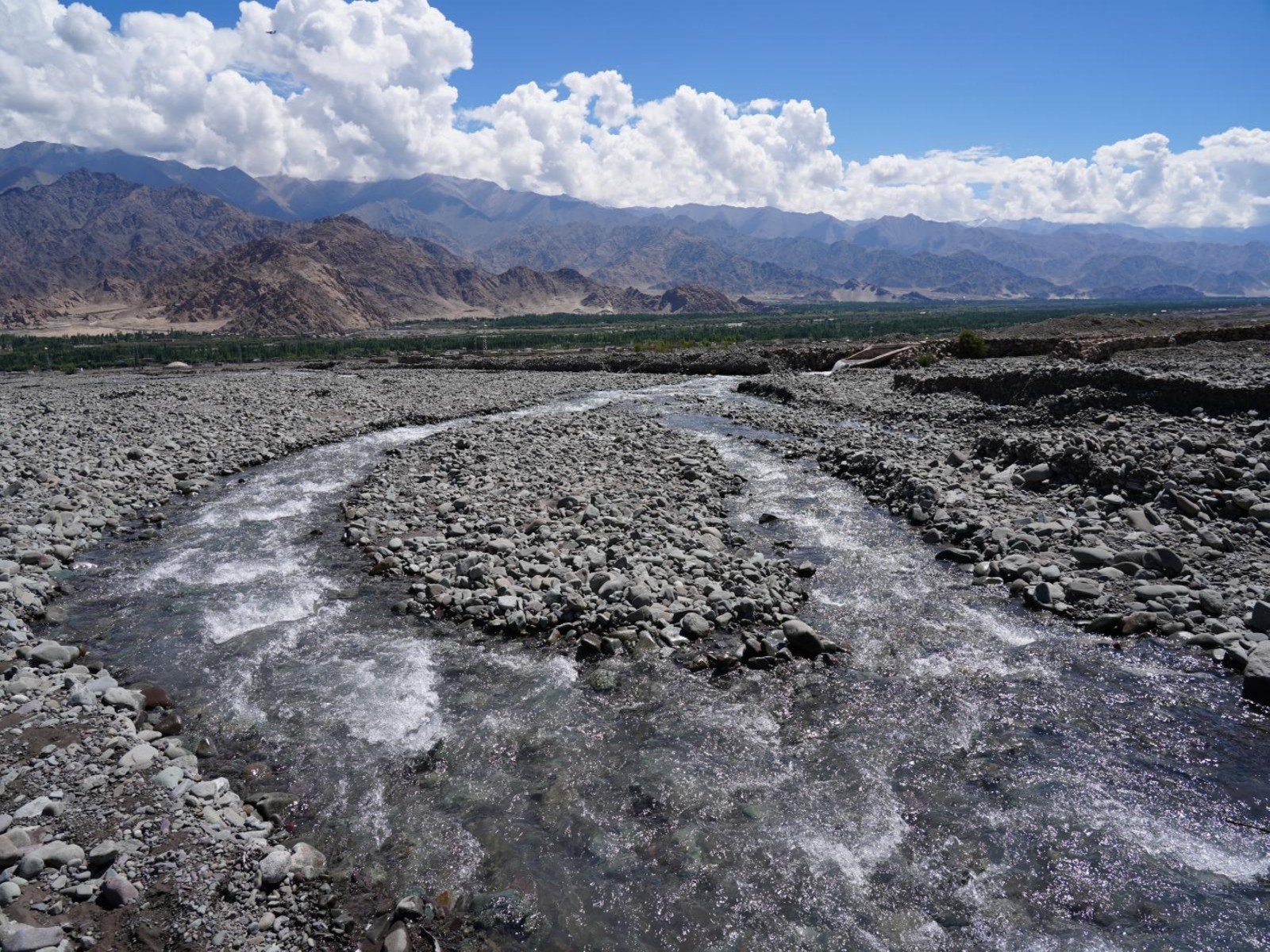
The Ladakh Glacier Water Initiative has emerged as a landmark achievement in sustainable water management, transforming unused glacier runoff into a valuable resource for agriculture and rural development. Led by Lieutenant Governor Vinai Kumar Saxena, the initiative aims to secure the future of farming communities by utilising around 90 million litres of glacier water every day in Ladakh.
For years, large amounts of glacier and snowmelt water from the Himalayan region flowed directly into the River Indus without being effectively used. Despite having abundant natural water resources, many agricultural areas in Ladakh suffered from severe irrigation shortages. The Ladakh Glacier Water Initiative addresses this long-standing challenge by redirecting glacier water towards existing irrigation infrastructure.
The project focuses on converting naturally available water resources into a sustainable supply system that benefits farmers, villages, and the overall rural economy of the region.
90 Million Litres of Glacier Water Channelised for Agriculture
Under the Ladakh Glacier Water Initiative, glacier meltwater from Stok village Nallah in Leh is now being channelised into the Igoo-Phey Irrigation Canal. This massive water diversion will provide irrigation support to nearly 12 villages and improve farming conditions across more than 1,000 acres of previously dry agricultural land.
The initiative represents a major shift in water management practices in Ladakh. Instead of allowing valuable glacier runoff to disappear into rivers, authorities have created a system that ensures maximum utilisation of natural resources.
The project has been completed through simple earthwork methods without major capital expenditure, proving that cost-effective engineering solutions can create large-scale impact.
Transforming Ladakh’s Cold Desert Agriculture
Ladakh is known for its challenging climatic conditions, with limited rainfall and extreme temperatures. Although the region has significant glacier and snowmelt resources, many agricultural areas have historically struggled due to insufficient irrigation facilities.
The Ladakh Glacier Water Initiative provides a practical solution by connecting glacier flows with existing canal systems. The additional water supply is expected to increase agricultural productivity and improve the livelihoods of farmers.
The Igoo-Phey Canal, which was originally constructed between 1979 and 2005, faced water shortages for several years due to limited availability. With the new water diversion system, the canal’s water flow is expected to increase significantly, improving irrigation access for local communities.
Boosting Farmers’ Income and Rural Economy
A reliable water supply plays a crucial role in agricultural development. Through the Ladakh Glacier Water Initiative, farmers will receive improved irrigation facilities, helping them increase crop production and improve their earnings.
Previously, water distribution from the Igoo-Phey Canal followed restrictive schedules because of limited availability. The increased glacier water supply will now allow more consistent irrigation access for villages.
Higher crop yields will create new economic opportunities, increase employment prospects, and strengthen rural communities. The initiative is expected to support long-term agricultural growth while reducing dependency on uncertain water sources.
Innovative and Environment-Friendly Water Management
One of the biggest achievements of the Ladakh Glacier Water Initiative is its sustainable approach. The project uses gravity-based engineering techniques, reducing energy requirements and environmental impact.
The administration identified Stok Nallah as a major source of unused glacier water and created diversion channels using simple methods. This approach demonstrates how local solutions can address large environmental and agricultural challenges.
The initiative follows principles of minimum wastage, efficient resource utilisation, and environmental protection. It provides a blueprint for similar projects in other Himalayan regions facing water management challenges.
Expansion Plans Across Ladakh
Following the success of the Stok Nallah project, authorities have identified several other streams for future water diversion initiatives. These include Matho Nallah, Tuchik Chenmo Nallah, Tuchik Chon Nallah, and Stakna Nallah.
The expansion of the Ladakh Glacier Water Initiative aims to create a wider water management network across the Union Territory. By connecting scattered glacier flows with irrigation systems, Ladakh can improve agricultural sustainability and strengthen climate resilience.
The long-term goal is to create a water-secure and self-sustaining Ladakh where natural resources directly support economic development.
A Model for Future Sustainable Development
The success of the Ladakh Glacier Water Initiative highlights the importance of innovative governance and sustainable resource management. The project demonstrates that even challenging geographical regions can achieve significant progress through effective planning and responsible utilisation of natural resources.
By saving millions of litres of glacier water every day, Ladakh has created a new model for balancing environmental conservation with economic growth.
The initiative is expected to inspire similar water conservation efforts across mountain regions of India. As climate change continues to impact water availability worldwide, such sustainable solutions can play an important role in protecting communities and supporting future generations.
About The Author