
BRICS Academic Conference Highlights Connectivity and Cooperation Under India’s 2026 Presidency
 admin
admin 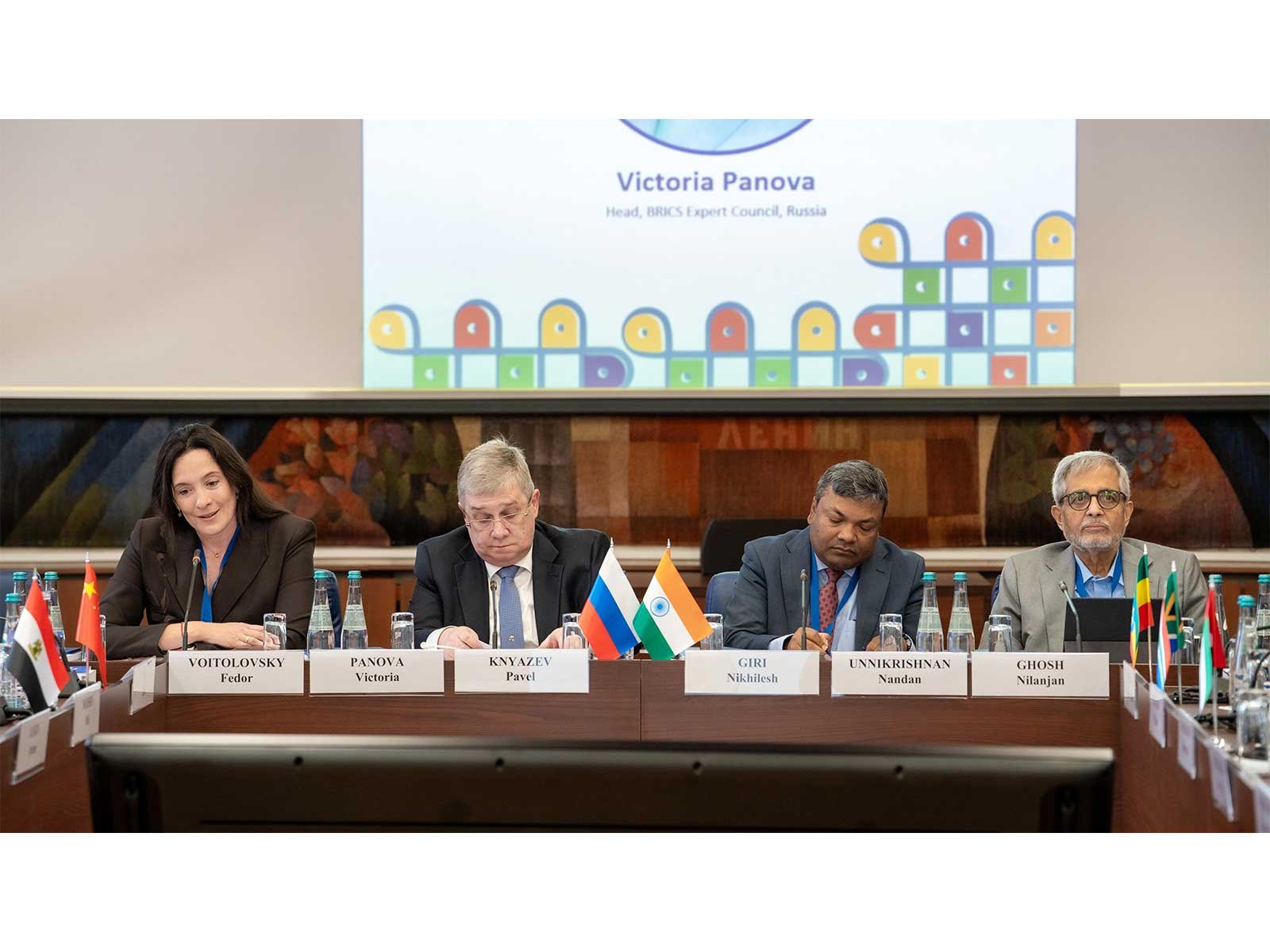
Moscow Hosts BRICS Academic Conference Under India’s Leadership
The BRICS Academic Conference was successfully held in Moscow, Russia, under India’s BRICS Presidency for 2026, bringing together policymakers, diplomats, scholars, researchers, and experts from across BRICS member and partner nations. Organized jointly by the Observer Research Foundation (ORF) and the BRICS Expert Council-Russia, the BRICS Academic Conference focused on the theme “Strengthening BRICS Connectivity: Fostering Cooperation.”
The event attracted nearly 120 participants from 10 BRICS countries and partner nations, reflecting the growing importance of the BRICS Academic Conference as a platform for policy dialogue, intellectual exchange, and international cooperation. Discussions throughout the conference centered on strengthening connectivity, improving supply chain resilience, promoting technological collaboration, and advancing a more inclusive global order.
Leaders Emphasize Inclusive Multilateralism
The opening session of the BRICS Academic Conference featured remarks from prominent officials and experts, including Pavel Knyazev, Ambassador-at-Large of the Russian Ministry of Foreign Affairs and BRICS Sous-Sherpa; Nikhilesh Giri, Deputy Chief of Mission at the Embassy of India in Russia; Victoria Panova, Head of the BRICS Expert Council-Russia; and Nandan Unnikrishnan, Distinguished Fellow at ORF.
Speakers at the BRICS Academic Conference emphasized the bloc’s increasing role in promoting inclusive multilateralism and practical cooperation. They reiterated the importance of sovereign equality, mutual respect, consensus-building, and cooperation among emerging economies.
The participants noted that BRICS nations represent a significant share of the world’s population, economic activity, and developmental aspirations. Therefore, strengthening collaboration through platforms such as the BRICS Academic Conference can help shape a more balanced and representative international system.
Resilient Connectivity Becomes a Major Theme
One of the key discussions at the BRICS Academic Conference focused on resilient connectivity. The first thematic session, titled “Crossing Continents: Resilient Connectivity,” examined how enhanced connectivity can strengthen economic resilience and sustainable development.
Experts participating in the BRICS Academic Conference highlighted the importance of diversified transport corridors, stronger trade networks, secure digital infrastructure, and improved financial connectivity. They argued that interconnected economies are better positioned to withstand global disruptions and economic uncertainties.
The session explored opportunities to expand transportation links, facilitate cross-border trade, and improve people-to-people exchanges among BRICS nations. Participants also stressed the need for trusted digital ecosystems and interoperable financial systems that can support long-term economic cooperation.
The BRICS Academic Conference underscored that connectivity is not limited to physical infrastructure but also includes digital transformation, financial integration, and cultural engagement. Such comprehensive connectivity can play a vital role in promoting sustainable growth and resilience.
Supply Chain Security Takes Center Stage
Another important discussion during the BRICS Academic Conference revolved around securing critical supply chains. The second session, titled “Corridors of Cooperation: Securing Critical Supply Chains,” focused on strategies to strengthen supply chain resilience in strategic sectors.
Participants at the BRICS Academic Conference discussed the growing importance of critical minerals, advanced manufacturing, clean energy technologies, and industrial development. The session highlighted how disruptions in global supply chains have demonstrated the need for diversified sourcing and stronger regional value chains.
Experts emphasized that BRICS countries possess significant opportunities to cooperate in resource development, value addition, and sustainable financing. Such collaboration could reduce vulnerabilities while supporting economic growth and industrial expansion.
The BRICS Academic Conference also examined ways to establish trusted partnerships among member nations to ensure long-term supply chain security. Discussions highlighted that resilient supply chains are essential for supporting future energy transitions and technological innovation.
Artificial Intelligence and High Technologies Drive Future Cooperation
The final session of the BRICS Academic Conference focused on high technologies and artificial intelligence. Titled “High Technologies and AI: Prospects for BRICS Cooperation,” the session explored emerging opportunities in frontier technologies and digital innovation.
Participants at the BRICS Academic Conference recognized artificial intelligence as a transformative force with the potential to reshape economies, industries, and societies. Discussions centered on how BRICS countries can collaborate to develop shared standards, interoperable regulatory frameworks, and joint research initiatives.
Experts emphasized the need to move beyond broad principles and focus on practical cooperation. The BRICS Academic Conference highlighted the importance of digital public infrastructure, knowledge sharing, and capacity-building initiatives to ensure that technological advancements benefit all member nations.
The session also examined challenges related to AI governance, cybersecurity, ethical standards, and technological inequality. Participants agreed that coordinated efforts are necessary to maximize the benefits of emerging technologies while minimizing potential risks.
India’s Presidency Strengthens BRICS Collaboration
India’s BRICS Presidency in 2026 has placed significant emphasis on cooperation, development, and inclusive growth. The BRICS Academic Conference reflected these priorities by fostering dialogue on issues that are critical to the future of the Global South and emerging economies.
Throughout the conference, delegates discussed ways to deepen cooperation across sectors while addressing shared challenges. The event demonstrated India’s commitment to strengthening BRICS as a platform for constructive engagement and practical collaboration.
The BRICS Academic Conference also provided an opportunity for experts and policymakers to exchange ideas on global governance reforms. Participants stressed the need for institutions that are more representative, inclusive, and responsive to the evolving realities of the international system.
Key Outcomes of the BRICS Academic Conference
The BRICS Academic Conference concluded with a shared recognition that connectivity, supply chain resilience, and technological cooperation will remain central pillars of the BRICS agenda in the coming years.
Participants reaffirmed their commitment to:
- Enhancing physical and digital connectivity.
- Strengthening critical supply chain resilience.
- Expanding cooperation in artificial intelligence and advanced technologies.
- Supporting sustainable development and innovation.
- Promoting inclusive multilateralism and global governance reforms.
The conference highlighted the growing importance of practical, development-oriented partnerships that can contribute to economic resilience and long-term prosperity.
The BRICS Academic Conference in Moscow successfully brought together experts, policymakers, and scholars to discuss some of the most pressing challenges and opportunities facing emerging economies. Under India’s 2026 BRICS Presidency, the conference reinforced the bloc’s commitment to connectivity, cooperation, technological advancement, and sustainable development.
As global challenges continue to evolve, the BRICS Academic Conference demonstrated that collaborative approaches and shared solutions remain essential for building a more inclusive, prosperous, and resilient future. Through continued dialogue and partnership, BRICS nations aim to strengthen their collective voice and contribute meaningfully to shaping the global agenda.
About The Author