

 admin
admin 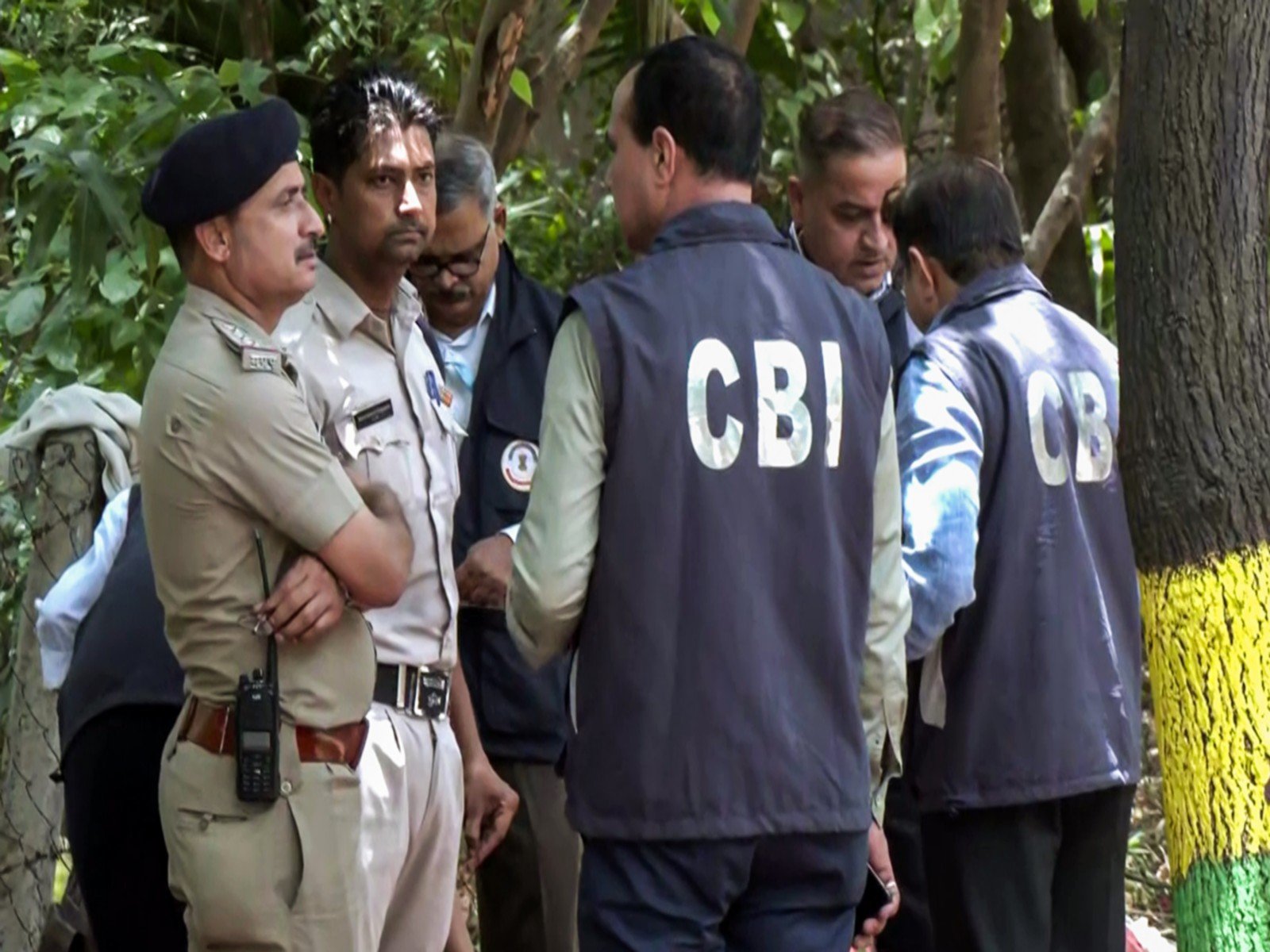
In one of the biggest coordinated cybercrime enforcement actions in recent months, the Central Bureau of Investigation (Central Bureau of Investigation) has launched a sweeping crackdown under Operation Chakra-VI, targeting a large-scale digital arrest scam network operating across India.
The operation led to searches at more than 80 locations across 16 states, including Punjab, Gujarat, Delhi, Maharashtra, Haryana, Tamil Nadu, Telangana, Andhra Pradesh, Uttar Pradesh, Madhya Pradesh, Rajasthan, Assam, West Bengal, Manipur, Karnataka, and Odisha. The coordinated raids were carried out by 60 specialized CBI teams in a synchronized effort to dismantle the infrastructure behind the digital arrest scam ecosystem.
Authorities confirmed that two individuals were arrested from Chennai and Kolkata for their alleged involvement in facilitating shell companies and mule bank accounts used in the digital arrest scam operations.
What is Operation Chakra-VI?
Operation Chakra-VI is an ongoing nationwide initiative aimed at disrupting organized cybercrime syndicates, especially those engaged in financial fraud and impersonation-based scams. The latest phase focuses heavily on the growing menace of the digital arrest scam, where victims are psychologically manipulated into believing they are under legal surveillance or police custody.
According to officials, the operation is not just a reactive measure but a proactive attempt to map and dismantle the entire digital ecosystem enabling the digital arrest scam network, including call centers, fake identities, financial conduits, and forged documentation systems.
How the Digital Arrest Scam Network Operated
Investigations revealed that the syndicate behind the digital arrest scam used highly sophisticated methods to deceive victims. One of the most alarming discoveries was a fake website designed to closely resemble the official portal of the Supreme Court of India.
Fraudsters reportedly used this cloned platform to intimidate victims, claiming they were under investigation or “digitally arrested.” This psychological manipulation is a hallmark of the digital arrest scam, where fear and urgency are used as tools of extortion.
CBI officials also uncovered that forged court orders, fake legal notices, and fabricated law enforcement documents were systematically created to support the digital arrest scam narratives. These documents were designed to appear authentic, making victims more likely to comply with fraudulent demands.
Shell Companies and Mule Accounts Used for Money Laundering
A major breakthrough in the investigation came with the discovery of shell companies and mule bank accounts linked to the digital arrest scam network.
The arrested individuals are suspected of helping open and operate these accounts, which were used to route and launder proceeds of crime. Authorities estimate that nearly ₹2 crore was moved through these accounts as part of the digital arrest scam operations.
The financial trail uncovered during the raids is now being analyzed using forensic tools to trace the full extent of the digital arrest scam network, including possible international linkages.
Forensic Evidence and Digital Footprints
During the multi-state raids, investigators seized a large volume of digital evidence, including mobile phones, laptops, transaction records, and encrypted communication logs. These materials are expected to play a crucial role in mapping the structure of the digital arrest scam syndicate.
Preliminary analysis suggests that the network may have international connections, with evidence indicating that victims outside India were also targeted through the same model.
The CBI has stated that foreign law enforcement agencies are being contacted through official channels to expand the investigation into the global footprint of the digital arrest scam.
Psychological Manipulation at the Core of the Scam
Unlike traditional cyber frauds, the digital arrest scam relies heavily on psychological coercion. Victims are contacted via phone calls, video calls, or emails, where scammers impersonate police officers, judges, or government officials.
They are told they are involved in serious crimes such as money laundering or tax evasion and are “digitally arrested.” Under pressure, victims are forced to transfer money to “verify accounts” or “clear legal charges,” making the digital arrest scam especially dangerous and effective.
Officials noted that the sophistication of the digital arrest scam has increased significantly, with fraudsters using spoofed caller IDs, fake uniforms during video calls, and even AI-generated voices in some cases.
Evidence of International Links
CBI officials have confirmed that the digital arrest scam network may not be limited to India. Investigations have revealed clues suggesting involvement of foreign nationals and overseas operatives.
The agency is coordinating with international enforcement bodies to identify cross-border elements of the digital arrest scam. This includes tracking IP addresses, financial transfers, and communication servers used to operate the fraud network.
Government and Law Enforcement Response
The Indian cybercrime enforcement ecosystem has intensified efforts to combat the rising threat of the digital arrest scam. Agencies are now focusing on dismantling not just individual fraudsters but entire operational ecosystems.
The CBI reiterated its commitment to eliminating cyber-enabled fraud networks and ensuring justice for victims of the digital arrest scam. Officials emphasized that public awareness is equally important in preventing such crimes.
Public Advisory: How to Stay Safe
Authorities have urged citizens to remain cautious and avoid falling victim to the digital arrest scam. Key warnings include:
- No law enforcement agency conducts “digital arrests” over phone or video calls
- Courts and police do not demand money transfers for case resolution
- Any request for immediate payment under threat is a red flag for a digital arrest scam
- Suspicious calls should be reported to cybercrime helplines immediately
Awareness campaigns are being strengthened to educate the public about the evolving tactics used in the digital arrest scam.
The latest crackdown under Operation Chakra-VI marks a significant step in India’s fight against cyber-enabled financial fraud. With coordinated raids, arrests, and forensic investigations, the CBI has struck a major blow to a sophisticated network operating across multiple states and potentially beyond borders.
As investigations continue, authorities are expected to uncover deeper layers of the ecosystem, including its international connections and financial backers. The case highlights the urgent need for stronger cyber awareness and robust digital security measures to combat emerging online threats.
About The Author