
 admin
admin 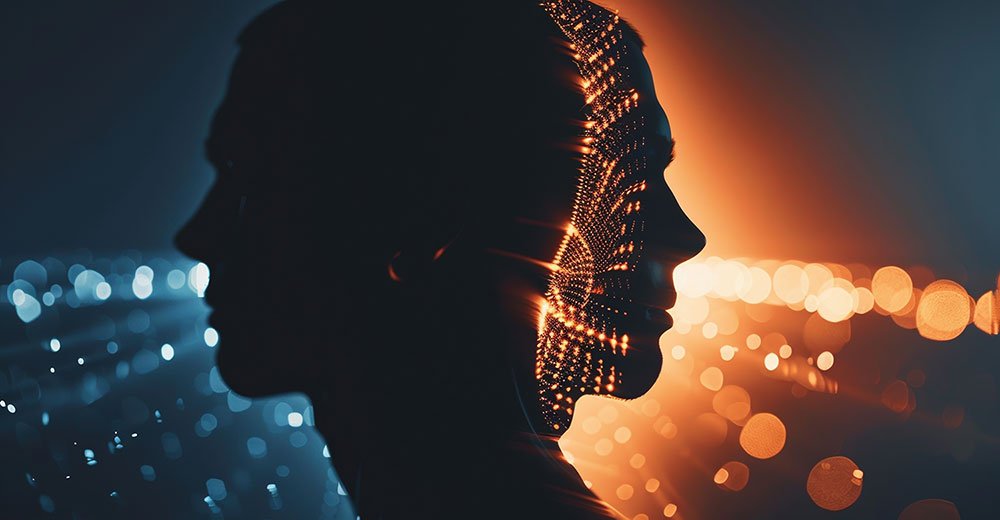
Introduction
The rapid advancement of artificial intelligence is reshaping how we interact with technology—and even how we perceive life and death. One of the most fascinating yet controversial innovations is the concept of digital twins. These are AI-powered replicas of individuals that can think, communicate, and behave like their human counterparts.
While digital twins promise breakthroughs in healthcare, productivity, and personalization, they also introduce a complex and unsettling idea: AI immortality. The ability to digitally preserve a person’s identity raises ethical, psychological, and societal concerns that cannot be ignored.
In this blog, we explore digital twins, how they contribute to AI immortality, and the risks associated with this emerging technology.
What Are Digital Twins?
A digital twin is a virtual model designed to accurately replicate a physical object, system, or person. Initially used in industries like manufacturing and engineering, digital twins are now evolving into human replicas powered by AI.
Human digital twins can be created using:
- Personal data (emails, messages, social media)
- Voice recordings and videos
- Behavioral patterns and preferences
- Biometric and cognitive data
With advanced machine learning, these digital entities can simulate conversations, decision-making, and even emotional responses—making them almost indistinguishable from the real person.
The Rise of AI Immortality
AI immortality refers to the idea that a person’s consciousness, personality, or identity can live on digitally after their physical death.
Imagine interacting with a loved one who has passed away—but through an AI replica trained on their data. Companies are already experimenting with such technologies, offering services that allow people to “preserve” themselves digitally.
This raises a profound question:
If your thoughts, voice, and behavior can be replicated, are you truly gone?
Benefits of Digital Twins
Before diving into the risks, it’s important to acknowledge the potential advantages:
1. Healthcare Advancements
Digital twins can simulate patient conditions, allowing doctors to test treatments before applying them in real life. This could revolutionize personalized medicine.
2. Knowledge Preservation
Experts, scientists, and leaders can pass down their knowledge through digital versions of themselves, enabling continuous learning for future generations.
3. Emotional Comfort
For grieving families, interacting with a digital version of a loved one may provide temporary emotional relief.
4. Enhanced Productivity
Professionals could use digital twins to handle routine tasks, meetings, or customer interactions.
The Dark Side: Risks of AI Immortality
Despite its benefits, AI immortality introduces serious concerns that society must address.
1. Identity and Authenticity Crisis
A digital twin may replicate your behavior—but it is not you. This blurs the line between real and artificial identity.
- Who owns the digital version of you?
- Can it act independently?
- What happens if it says or does something harmful?
The risk of identity misuse is significant, especially if digital twins are controlled by corporations or third parties.
2. Privacy and Data Exploitation
Creating a digital twin requires vast amounts of personal data. This includes:
- Private conversations
- Behavioral patterns
- Emotional responses
If this data is mishandled, it could lead to severe privacy violations.
Imagine a company having access to your thoughts, habits, and personality—even after your death. The potential for misuse, surveillance, or manipulation is immense.
3. Psychological Impact on Society
Interacting with digital versions of deceased individuals may affect the grieving process.
- It may prevent emotional closure
- It could create dependency on artificial relationships
- It might distort reality and human connection
Instead of moving forward, individuals might remain emotionally attached to AI replicas, leading to long-term psychological consequences.
4. Ethical Dilemmas
AI immortality raises questions that humanity has never faced before:
- Should we allow digital resurrection?
- Does a digital twin have rights?
- Can it make decisions on behalf of the deceased?
Without clear regulations, these ethical issues could lead to legal and moral chaos.
5. Economic and Social Inequality
AI immortality may not be accessible to everyone. Wealthy individuals could afford advanced digital preservation, while others cannot.
This could create a new form of inequality where:
- Some people achieve “digital immortality”
- Others are forgotten entirely
Such disparities could reshape how society values life and legacy.
6. Risk of Manipulation and Deepfake Evolution
Digital twins could be used for malicious purposes:
- Spreading misinformation
- Impersonating individuals
- Manipulating public opinion
As deepfake technology evolves, distinguishing between real and AI-generated content will become increasingly difficult.
Legal Challenges Ahead
Governments and legal systems are not yet prepared for AI immortality.
Key challenges include:
- Ownership of digital identity after death
- Consent for data usage
- Accountability for AI actions
- Intellectual property rights
Without proper laws, digital twins could exist in a legal gray area, leading to exploitation and disputes.
The Future of Digital Twins
The development of digital twins is inevitable. As AI continues to evolve, these systems will become more realistic and widely adopted.
However, the future depends on how responsibly we handle this technology.
Key steps forward include:
- Establishing ethical guidelines
- Implementing strict data protection laws
- Ensuring transparency in AI systems
- Promoting public awareness
The goal should not be to stop innovation—but to ensure it benefits humanity without compromising our values.
About The Author