
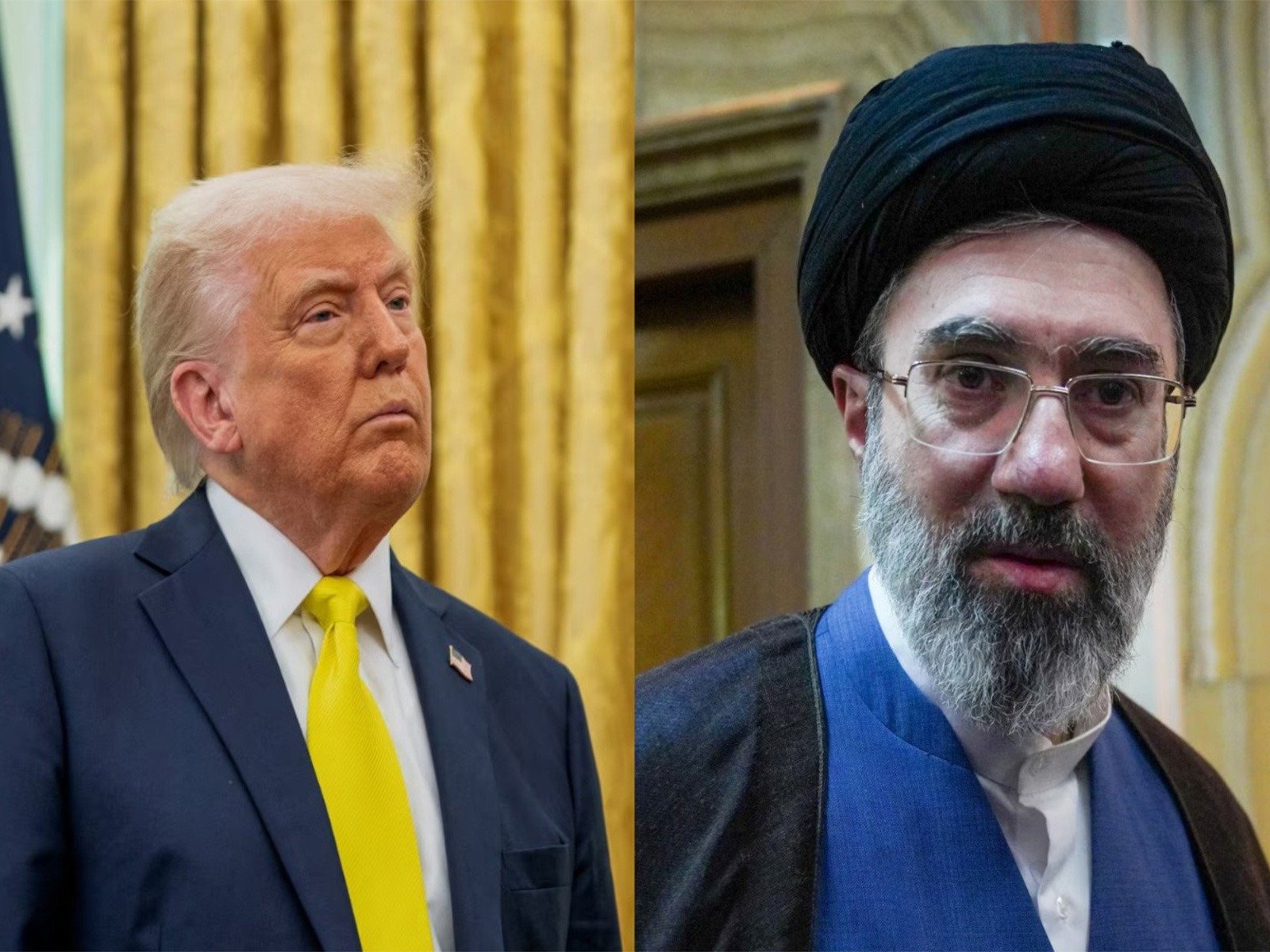
Iran-US Peace Deal Nears Finalization as Diplomatic Efforts Intensify
The much-anticipated Iran-US Peace Deal is reportedly moving closer to reality as diplomatic sources indicate that a memorandum of understanding could soon be signed in Geneva, Switzerland. The proposed Iran-US Peace Deal is expected to include several major provisions, including the reopening of the Strait of Hormuz, an extension of the current ceasefire, and a framework for future discussions regarding Iran’s nuclear program.
Although Iranian officials continue to state that reports of a finalized Iran-US Peace Deal remain speculative, multiple diplomatic sources suggest that negotiations have reached an advanced stage. If signed, the agreement could mark a historic turning point in relations between the United States and Iran and significantly impact regional stability across West Asia.
Geneva Emerges as the Preferred Venue
According to diplomatic sources, Geneva is being considered the primary location for the signing ceremony of the Iran-US Peace Deal. Officials familiar with the discussions have suggested that the ceremony would symbolize the beginning of a new phase in diplomatic engagement between Washington and Tehran.
The proposed agreement is expected to establish mechanisms for implementing various commitments outlined in the Iran-US Peace Deal. Sources indicate that the signing event may be attended by senior representatives from both countries and international mediators who have played important roles during negotiations.
Donald Trump Signals Progress on Iran-US Peace Deal
US President Donald Trump recently expressed optimism regarding the ongoing negotiations. Speaking to reporters, Trump described the developing Iran-US Peace Deal as a “great settlement” that could bring an end to the conflict and open new diplomatic channels between the two nations.
Trump suggested that the agreement could be finalized within days and indicated that a signing ceremony may take place in Europe. He also highlighted the importance of reopening the Strait of Hormuz, one of the world’s most strategically significant maritime routes.
The US administration views the potential Iran-US Peace Deal as a critical step toward restoring regional stability and reducing tensions that have affected global energy markets.
Strait of Hormuz Reopening a Key Component
One of the most significant features of the proposed Iran-US Peace Deal is the reopening of the Strait of Hormuz. This strategic waterway handles a substantial percentage of global oil and gas shipments, making its stability crucial for international trade and energy security.
Under the reported terms of the Iran-US Peace Deal, Iran would allow unrestricted passage through the strait without imposing transit fees or restrictions. Maritime traffic would gradually return to normal levels within approximately 30 days after the agreement is signed.
Energy analysts believe that reopening the Strait of Hormuz under the Iran-US Peace Deal could help stabilize global oil prices, improve supply chains, and reduce uncertainty in international energy markets.
Ceasefire Extension Could Reduce Regional Tensions
Another major element of the proposed Iran-US Peace Deal involves extending the existing ceasefire. Diplomatic sources indicate that the ceasefire could remain in effect for at least 60 days following the signing of the agreement.
The ceasefire component of the Iran-US Peace Deal would reportedly cover multiple areas of regional conflict, including Lebanon and other sensitive zones where tensions have escalated in recent months.
International observers have welcomed reports of a ceasefire extension, arguing that the Iran-US Peace Deal could provide a valuable opportunity for broader diplomatic engagement and conflict resolution efforts throughout the Middle East.
Nuclear Program Discussions Remain Central
The future of Iran’s nuclear program remains one of the most sensitive aspects of negotiations. According to diplomatic reports, the Iran-US Peace Deal includes provisions designed to address US concerns regarding nuclear weapons development and uranium enrichment activities.
Sources indicate that Iran would reaffirm its commitment not to pursue nuclear weapons while participating in further discussions about transparency and monitoring measures. These commitments are considered essential components of the broader Iran-US Peace Deal framework.
Experts believe that progress on nuclear issues could strengthen international confidence in the agreement and create opportunities for additional diplomatic breakthroughs in the future.
Islamabad Agreement: A Possible Name for the Deal
Several diplomatic sources have reportedly referred to the proposed Iran-US Peace Deal as the “Islamabad Agreement” or “Islamabad Declaration.” The suggested name recognizes Pakistan’s role in facilitating communication between the two sides during various stages of the negotiation process.
Although no official confirmation has been provided regarding the final title of the agreement, the possibility highlights the contribution of regional actors in supporting the Iran-US Peace Deal process.
Pakistan and Qatar have both been acknowledged for their diplomatic efforts aimed at encouraging dialogue and reducing tensions between Washington and Tehran.
Sanctions Relief and Economic Opportunities
The proposed Iran-US Peace Deal may also include limited sanctions relief for Iran. According to diplomatic sources, economic measures would be implemented gradually based on compliance with agreed commitments and continued engagement in good faith.
Sanctions relief under the Iran-US Peace Deal could provide significant economic benefits for Iran, including improved access to international markets and greater opportunities for trade and investment.
Business leaders and economic analysts are closely monitoring developments, as the agreement could influence global financial markets, energy prices, and international investment trends.
Iran Maintains Cautious Position
Despite growing optimism surrounding the Iran-US Peace Deal, Iranian officials continue to emphasize that no final agreement has yet been reached. Foreign Ministry spokesperson Esmail Baghaei recently stated that reports suggesting a completed deal are premature.
According to Iranian officials, negotiations remain ongoing, and several important issues still require final approval. Tehran has reiterated that it will not compromise on what it considers national interests and key strategic priorities.
This cautious approach reflects the complexity of the Iran-US Peace Deal negotiations and the challenges involved in balancing security, economic, and political considerations.
International Community Watches Closely
Governments, international organizations, and financial markets are closely monitoring developments related to the Iran-US Peace Deal. Many observers believe the agreement could have far-reaching implications for regional security and global economic stability.
European leaders have welcomed signs of progress and expressed hope that the Iran-US Peace Deal will lead to long-term diplomatic engagement and peaceful conflict resolution.
The European Union has also supported efforts to facilitate dialogue and encourage constructive negotiations between the two nations.
Pakistan and Qatar Continue Mediation Efforts
Pakistan and Qatar have reportedly played active roles in supporting discussions related to the Iran-US Peace Deal. Diplomatic channels established through these mediators have helped maintain communication during periods of heightened tension.
Pakistan’s Foreign Ministry recently welcomed reports of progress and expressed optimism that continued diplomatic engagement could result in a durable understanding between the United States and Iran.
Their involvement demonstrates the importance of regional cooperation in advancing the Iran-US Peace Deal and promoting broader stability across West Asia.
The proposed Iran-US Peace Deal represents one of the most significant diplomatic developments in recent years. With provisions reportedly covering the reopening of the Strait of Hormuz, a ceasefire extension, sanctions relief, and future nuclear negotiations, the agreement has the potential to reshape regional dynamics and improve global economic stability.
While final approval remains pending and Iranian officials continue to caution against premature conclusions, momentum appears to be building toward a historic breakthrough. If successfully implemented, the Iran-US Peace Deal could mark the beginning of a new chapter in US-Iran relations and create opportunities for lasting peace and cooperation throughout the region.
As the world awaits official confirmation, attention remains focused on Geneva, where the future of the Iran-US Peace Deal may soon be decided.
Leave a Reply