
Diesel Supply Regulation Order 2026 Introduced to Protect Retail Consumers
New Delhi, June 12, 2026: The Government of India has introduced the Diesel Supply Regulation Order 2026 as a temporary measure to curb black marketing, hoarding, and unauthorized diversion of diesel across the country. The Ministry of Petroleum and Natural Gas officially notified the new order under the name “Motor Spirit and High-Speed Diesel (Temporary Regulation of Supply through Retail Outlets) Order, 2026.”
The Diesel Supply Regulation Order 2026 has been implemented to ensure uninterrupted fuel availability for retail consumers and prevent industrial and commercial buyers from exploiting the significant price difference between retail and bulk diesel.
The government clarified that the order is a temporary regulation and will remain effective for up to 90 days. Authorities emphasized that the move is aimed at protecting ordinary consumers and maintaining smooth fuel distribution during ongoing global energy market disruptions.
Why the Diesel Supply Regulation Order 2026 Was Needed
According to the Ministry of Petroleum and Natural Gas, the need for the Diesel Supply Regulation Order 2026 emerged due to an unusual rise in diesel demand at Public Sector Oil Marketing Companies (PSU OMCs) retail outlets.
Many industrial, institutional, and commercial consumers have reportedly shifted from dedicated bulk diesel procurement channels to retail fuel stations because retail diesel prices are significantly lower than bulk diesel rates. This price gap has encouraged large-scale purchases from retail outlets, creating localized shortages and supply concerns.
Additionally, private oil marketing companies experienced a significant decline in diesel sales during May 2026. Reports indicate that their High-Speed Diesel (HSD) sales dropped by approximately 58% due to higher pricing structures. As a result, more customers turned to PSU-operated retail outlets, further increasing demand pressure.
The Diesel Supply Regulation Order 2026 seeks to address these market distortions and ensure that fuel intended for retail consumers remains available for its intended purpose.
Massive Surge in Diesel Sales Recorded Across Districts
Government data for May 2026 revealed a sharp increase in diesel sales through PSU retail outlets compared to the same period last year.
Key findings include:
- 327 districts reported diesel sales growth exceeding 10%.
- 80 districts experienced growth of more than 30%.
- Demand was particularly high in areas with strong industrial and commercial activity.
- Retail outlets in several regions faced intermittent supply challenges due to increased bulk purchasing.
These trends highlighted the urgent need for intervention through the Diesel Supply Regulation Order 2026, ensuring that genuine retail consumers do not face inconvenience or fuel shortages.
What the Diesel Supply Regulation Order 2026 Means for Consumers
The government has clarified that the Diesel Supply Regulation Order 2026 will not negatively impact ordinary citizens.
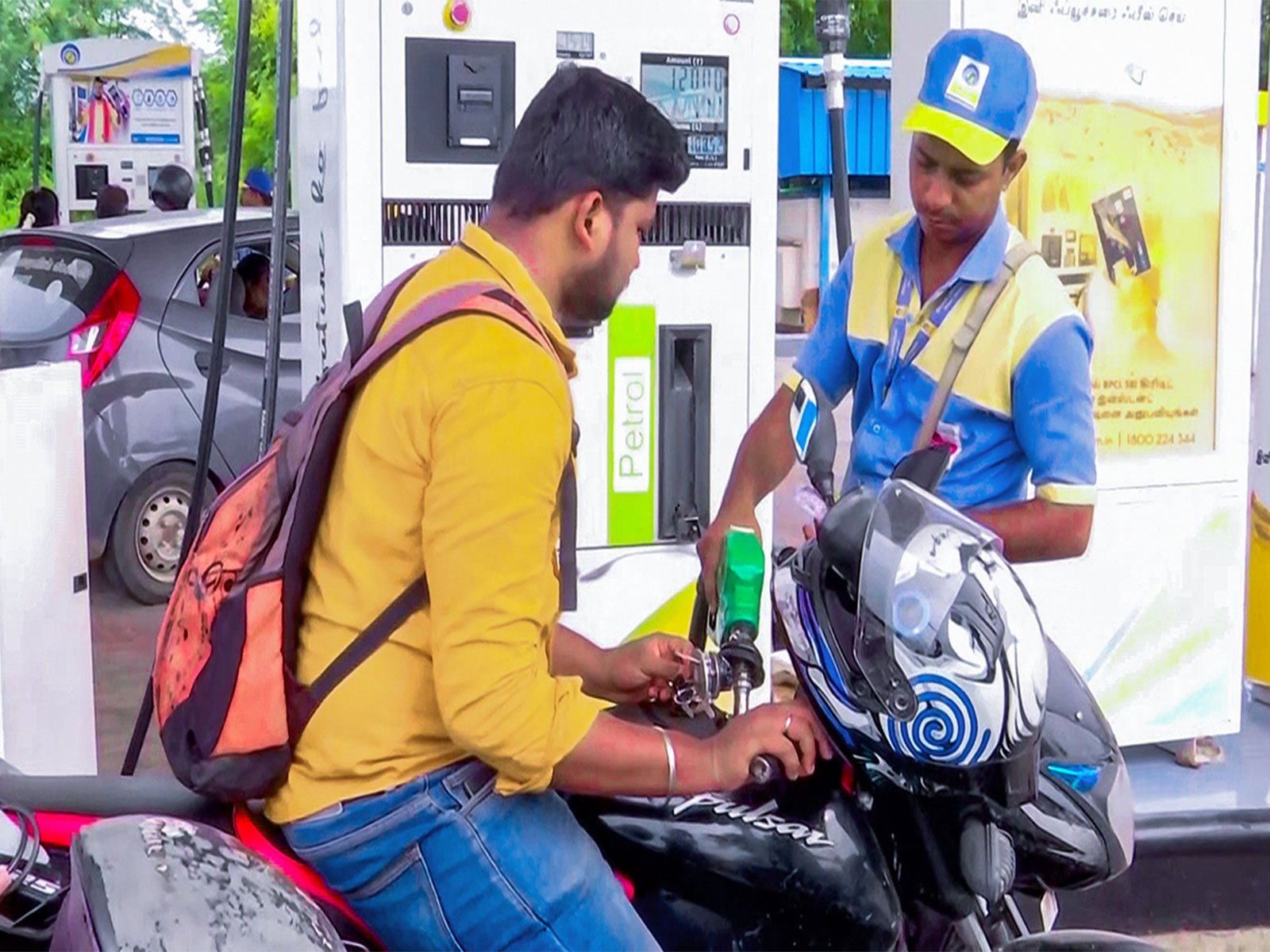
For private vehicle owners, farmers, and small consumers, the order imposes no practical restrictions. The regulation allows diesel purchases up to 200 litres per day per customer or vehicle, which is significantly higher than the daily requirement of most personal vehicles.
Officials have stressed that the order specifically targets bulk buyers who attempt to use retail fuel stations as a cheaper source of diesel for industrial operations.
The Diesel Supply Regulation Order 2026 ensures that retail customers continue to receive adequate fuel supplies without disruptions.
Key Provisions Under the Diesel Supply Regulation Order 2026
The newly notified regulations contain several important provisions designed to prevent misuse of retail diesel supplies.
1. Maximum Purchase Limit
Under the Diesel Supply Regulation Order 2026, diesel can only be dispensed up to a maximum of 200 litres per day per customer or vehicle.
2. Approved Containers Only
Diesel may only be dispensed into:
- Vehicle fuel tanks
- Petroleum and Explosives Safety Organisation (PESO)-approved containers
This measure aims to prevent unauthorized storage and transportation of fuel.
3. Ban on Resale
Fuel purchased from retail outlets cannot be resold under any circumstances.
The Diesel Supply Regulation Order 2026 specifically prohibits any form of fuel diversion for commercial gain.
4. Restrictions on Bulk Consumers
Industrial, institutional, direct, and commercial consumers are prohibited from purchasing diesel from retail outlets.
Such consumers must procure diesel through dedicated consumer pumps or approved bulk supply channels.
5. Accountability of Dealers and OMCs
Retail outlet operators and Oil Marketing Companies are responsible for ensuring compliance with the provisions of the Diesel Supply Regulation Order 2026.
Government Cracks Down on Black Marketing
Authorities have reported several instances where individuals purchased large quantities of diesel in jerry cans and resold the fuel at higher prices.
The Diesel Supply Regulation Order 2026 provides enforcement agencies with stronger legal authority to take action against such practices.
Officials believe that fuel hoarding and black marketing not only disrupt normal supply chains but also increase the risk of illegal profiteering at the expense of ordinary consumers.
By restricting unauthorized purchases, the government aims to eliminate opportunities for black-market operators.
Impact of West Asia Tensions on Fuel Markets
The introduction of the Diesel Supply Regulation Order 2026 comes amid ongoing geopolitical tensions in West Asia, which have created uncertainty in global energy markets.
To protect Indian consumers from sudden price increases, Public Sector Oil Marketing Companies are reportedly absorbing losses amounting to nearly ₹500 crore per day on the sale of:
- Petrol
- Diesel
- Domestic LPG
This financial support helps maintain affordable fuel prices for households, farmers, and small businesses.
Government officials emphasized that such subsidies are intended solely for retail consumers and not for industrial buyers seeking to benefit from price differences.
Retail Diesel Versus Bulk Diesel Price Difference
One of the primary factors behind the introduction of the Diesel Supply Regulation Order 2026 is the significant price gap between retail and bulk diesel.
According to the ministry, retail diesel is currently around ₹40 per litre cheaper than bulk diesel supplied to industrial consumers.
This price disparity has encouraged many commercial entities to purchase fuel from retail stations instead of using designated bulk supply systems.
The government believes the Diesel Supply Regulation Order 2026 will help restore balance in the fuel distribution system and reduce misuse of retail infrastructure.
Role of Oil Marketing Companies
Three major public sector oil companies have been directed to implement the provisions of the Diesel Supply Regulation Order 2026:
- Indian Oil Corporation Limited (IOCL)
- Bharat Petroleum Corporation Limited (BPCL)
- Hindustan Petroleum Corporation Limited (HPCL)
These companies are responsible for monitoring diesel sales, ensuring compliance, and preventing unauthorized transactions.
Retail outlet dealers have also been instructed to remain vigilant and report suspicious activities.
State Governments Directed to Take Action
The Central Government has requested all state governments and Union Territory administrations to support the implementation of the Diesel Supply Regulation Order 2026.
Authorities have been instructed to:
- Monitor fuel distribution systems
- Investigate complaints related to black marketing
- Prevent unauthorized diversion of diesel
- Take legal action against offenders
This coordinated effort is expected to strengthen enforcement and ensure the effectiveness of the regulation.
Penalties for Violating the Diesel Supply Regulation Order 2026
Violations of the Diesel Supply Regulation Order 2026 may result in strict legal consequences.
Offenders can face penalties under:
- Essential Commodities Act, 1955
- Petroleum-related regulations
- Other applicable laws
The government has warned that buyers, dealers, transporters, and officials involved in illegal diesel diversion may face prosecution.
No Fuel Shortage in India
Despite introducing the Diesel Supply Regulation Order 2026, the government has clarified that there is no shortage of petrol or diesel in the country.
India remains:
- The world’s fourth-largest oil refiner
- The fifth-largest exporter of refined petroleum products
Authorities have reassured citizens that fuel stocks remain adequate and supply chains continue to function normally.
The order is intended solely to address temporary market distortions and protect retail consumers from localized supply disruptions.
The Diesel Supply Regulation Order 2026 represents a proactive step by the Government of India to prevent black marketing, fuel hoarding, and unauthorized diversion of diesel supplies. By restricting bulk consumers from purchasing diesel through retail outlets and introducing a 200-litre daily limit, the government aims to ensure uninterrupted fuel availability for genuine retail customers.
Officials maintain that the Diesel Supply Regulation Order 2026 is a temporary safeguard designed to protect consumers, maintain energy security, and stabilize fuel distribution during a period of global market uncertainty. As enforcement begins across the country, authorities expect the regulation to significantly reduce fuel misuse and strengthen India’s fuel supply network.
Leave a Reply