
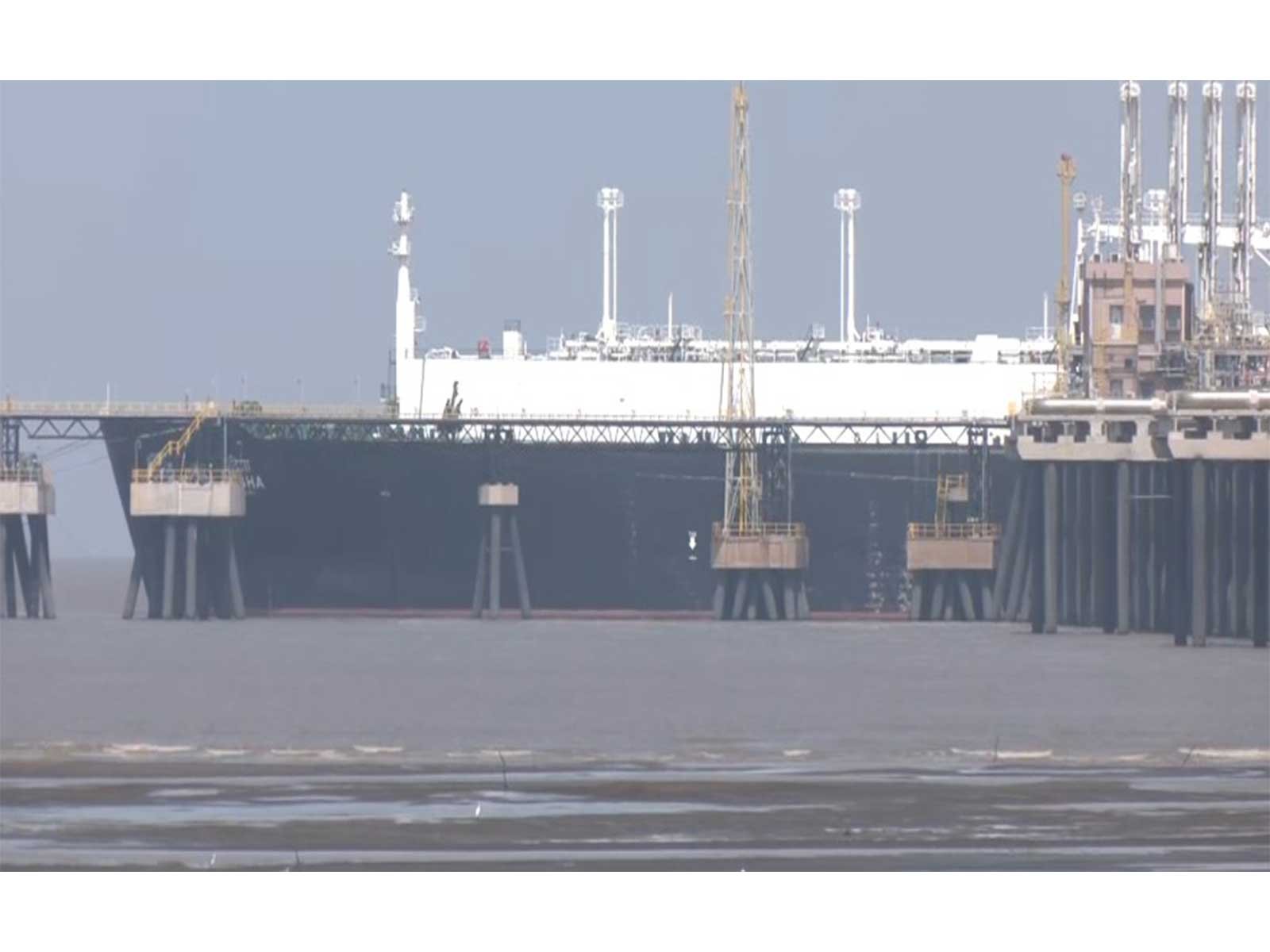
LNG Carrier Disha Strengthens India’s Energy Security
The arrival of the LNG Carrier Disha comes at a crucial time when international shipping routes through the Strait of Hormuz are under close observation due to the evolving security situation in the Persian Gulf. The narrow waterway handles a significant share of the world’s oil and LNG exports, making it one of the most strategically important maritime routes globally.
Energy experts believe that the successful transit of the LNG Carrier Disha reinforces India’s commitment to maintaining uninterrupted energy supplies. The cargo delivered to the Petronet LNG terminal at Dahej will help meet the country’s growing natural gas demand across industrial, commercial, and domestic sectors.
Dahej Port is among India’s largest LNG import terminals and plays a critical role in supplying natural gas to power plants, fertilizer manufacturers, refineries, city gas distribution networks, and industrial consumers.
Government Closely Monitoring Maritime Operations
Officials from the Ministry of Ports, Shipping and Waterways (MoPSW) have confirmed that the government is maintaining continuous coordination with multiple ministries and maritime stakeholders to ensure the safe movement of ships operating in the Persian Gulf region.
According to ministry officials, the LNG Carrier Disha remains the only vessel that successfully exited the Persian Gulf after crossing the Strait of Hormuz on June 15 before heading toward India.
Authorities stated that the government is working closely with the Ministry of Petroleum and Natural Gas, the Ministry of External Affairs, the Ministry of Chemicals and Fertilisers, shipping companies, port authorities, and energy importers to ensure the uninterrupted movement of essential cargo.
The safe arrival of the LNG Carrier Disha highlights the effectiveness of these coordinated efforts and reflects India’s proactive approach toward safeguarding its maritime trade routes.
Strategic Importance of the Strait of Hormuz
The Strait of Hormuz connects the Persian Gulf with the Gulf of Oman and the Arabian Sea. Nearly one-fifth of the world’s crude oil and a significant volume of global LNG exports pass through this narrow shipping lane every day.
Any disruption in this route has the potential to impact international energy prices and supply chains. Therefore, the successful voyage of the LNG Carrier Disha is being viewed as an encouraging development for India’s energy security.
Maritime experts note that shipping companies continue to exercise additional caution while transiting through the region. Enhanced security monitoring, route planning, and real-time communication have become essential components of maritime operations in the area.
Petronet LNG Terminal Receives Major Cargo
After completing its voyage, the LNG Carrier Disha docked safely at the Petronet LNG jetty in Dahej, one of India’s busiest LNG receiving facilities.
The imported LNG will undergo regasification before being transported through the national gas pipeline network to consumers across multiple states.
Industry analysts believe that the timely arrival of the cargo will support India’s increasing natural gas consumption, which continues to grow as the country expands cleaner energy usage.
Natural gas plays an important role in India’s transition toward lower-carbon energy sources and is considered a bridge fuel for achieving long-term sustainability goals.
Government Ensures Safety of Indian Ships
Government officials have reiterated that ensuring the safety of Indian vessels and seafarers remains a top priority.
The Ministry of Ports, Shipping and Waterways has established regular communication with shipping operators, maritime authorities, and international agencies to closely monitor developments in the Persian Gulf.
Officials stated that every possible measure is being taken to facilitate the safe movement of Indian-flagged vessels carrying energy cargoes and other essential imports.
The successful journey of the LNG Carrier Disha provides confidence that coordinated efforts between government agencies and shipping companies are producing positive results.
Support for Indian Seafarers Continues
The Directorate General of Shipping has also strengthened its support system for Indian seafarers and their families.
According to official data, the ministry’s control room has handled more than 13,187 telephone calls and over 29,376 emails since its establishment.
During the past 72 hours alone, authorities responded to approximately 450 calls and 1,077 emails from seafarers, their families, and maritime stakeholders seeking information and assistance.
Officials stated that these communication channels continue to provide real-time updates, emergency support, and coordination for Indian maritime personnel operating in sensitive regions.
Thousands of Indian Seafarers Repatriated Safely
The Ministry has also made significant progress in repatriating Indian seafarers.
Government officials confirmed that more than 3,639 Indian seafarers have been safely brought back through coordinated efforts involving the Directorate General of Shipping, shipping companies, embassies, and international partners.
Among them, 47 seafarers were repatriated during the last 72 hours.
These initiatives demonstrate the government’s commitment to ensuring the safety and welfare of Indian maritime professionals working aboard international vessels.
India’s LNG Imports Remain Stable
The successful arrival of the LNG Carrier Disha is expected to boost confidence in India’s LNG import infrastructure.
India remains one of the world’s fastest-growing energy markets, with LNG imports playing a vital role in meeting rising demand across industries and households.
Despite geopolitical uncertainties, authorities remain optimistic that coordinated international efforts and enhanced maritime security will support the uninterrupted flow of energy supplies.
Shipping experts also believe that the LNG Carrier Disha could serve as a positive indicator for future LNG shipments navigating the Strait of Hormuz.
Outlook for Maritime Trade
The safe arrival of the LNG Carrier Disha underscores the resilience of India’s maritime logistics network and highlights the importance of international cooperation in maintaining secure global shipping routes.
As geopolitical developments continue to evolve, Indian authorities are expected to remain vigilant while strengthening coordination with domestic ministries, global shipping companies, and international maritime organizations.
Industry observers believe that maintaining uninterrupted LNG imports will remain critical for India’s energy security, industrial growth, and economic stability.
The successful voyage of the LNG Carrier Disha not only ensures the timely delivery of a major LNG cargo but also reinforces confidence in India’s preparedness to manage evolving challenges in global maritime trade.
Leave a Reply