
 admin
admin 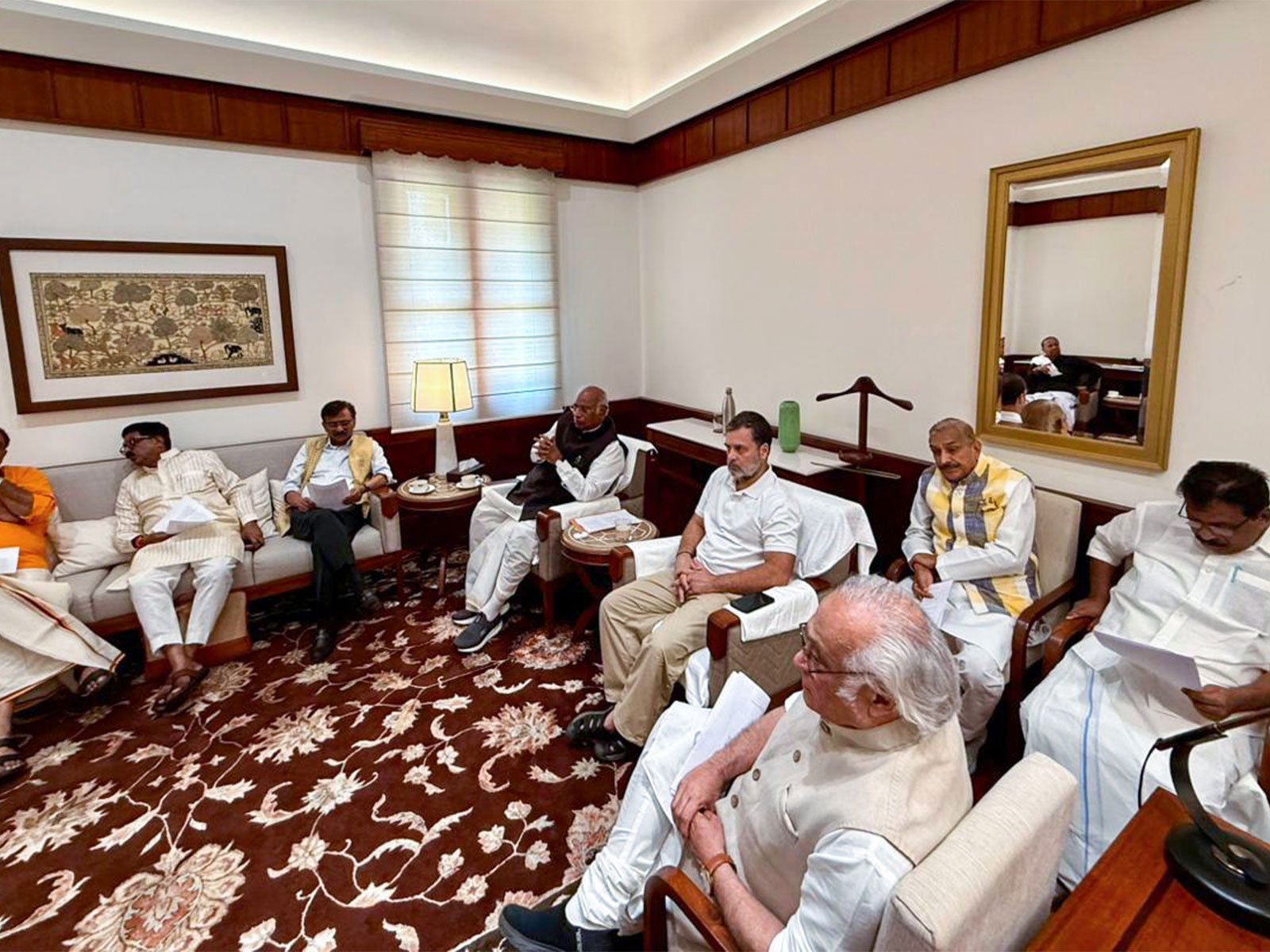
New Delhi | April 17, 2026
Leaders of the INDIA bloc will meet in Parliament to finalize their strategy on the Constitution (One Hundred and Thirty-First Amendment) Bill, 2026. The meeting will take place at the chamber of Mallikarjun Kharge. This discussion comes at a crucial moment as debates continue in the Lok Sabha.
INDIA Bloc Prepares Strategy
The INDIA alliance leaders want to present a united stand in the House. To achieve this, they have scheduled a meeting early in the day. The main focus remains on the women’s reservation bill and delimitation proposals.
At the same time, opposition parties are working to align their arguments. Their aim is to raise key concerns more effectively during the session.
Key Bills Under Discussion
Several important bills are currently under discussion in the Lok Sabha. The Constitution (131st Amendment) Bill proposes a 33 per cent reservation for women in Parliament and State Assemblies. Along with this, the Union Territories Laws (Amendment) Bill aims to extend this benefit to Delhi and Jammu and Kashmir.
Meanwhile, the Delimitation Bill proposes a major increase in Lok Sabha seats. The total number may rise to around 850, which could reshape political representation across the country.
Voting and Debate in Lok Sabha
A marathon debate lasting nearly 12 hours recently took place in the Lok Sabha. Members from both sides actively participated and presented their viewpoints. After detailed discussions, voting was conducted.
Out of 333 votes, 251 members supported the bills, while 185 opposed them. This clear majority allowed the introduction of all three bills.
During the debate, Prime Minister Narendra Modi highlighted the importance of women’s empowerment. In addition, Union Home Minister Amit Shah presented detailed data to support the government’s position.
On the other hand, opposition leaders such as Akhilesh Yadav, Asaduddin Owaisi, and K. C. Venugopal raised strong objections.
Opposition Voices Concerns
Concerns regarding the delimitation process have been strongly expressed by opposition parties. According to them, increasing seats based on the 2011 census could create an imbalance in representation. Southern states, in particular, may face reduced influence.
Congress leader Priyanka Gandhi Vadra suggested implementing women’s reservation using the current 543 seats. She stressed the need for immediate action.
Criticism also came from K.C. Venugopal, who described the proposal as a threat to democratic balance. His remarks reflect broader concerns within the opposition.
Government Responds with Clarification
In response, Amit Shah assured the House that no region would suffer any loss. He explained that although seat numbers will increase, proportional representation will remain stable.
Data shared by him showed clear examples. Karnataka’s seats may rise from 28 to 42. Andhra Pradesh could increase from 25 to 38. Tamil Nadu may go from 39 to 59 seats. Kerala is expected to move from 20 to 30 seats.
These figures indicate that the percentage representation will remain nearly unchanged. Therefore, southern states will retain their political strength.
Impact on States, Including Uttarakhand
These developments carry importance for all states, including Uttarakhand. Changes in seat distribution can directly affect political representation. They may also influence future elections and governance patterns.
Political observers continue to monitor the situation closely. The outcome of these discussions could shape the national political landscape in the coming years.
About The Author