
 admin
admin 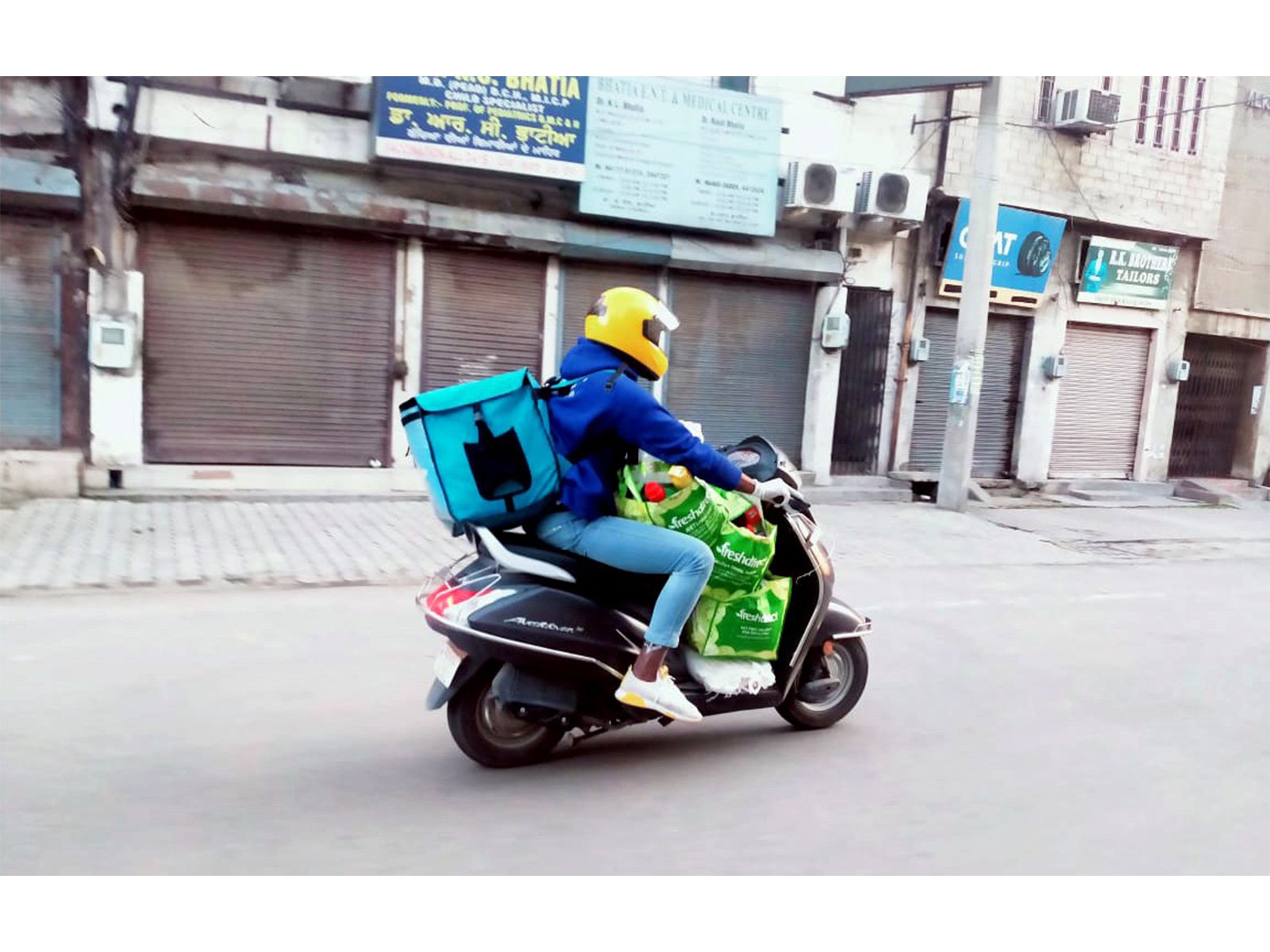
New Delhi, April 24, 2026: Quick Commerce in India is witnessing unprecedented growth, with the market projected to reach USD 65–70 billion by 2030, according to a joint report by Flipkart and Bain & Company.
Rapid Growth of Quick Commerce in India
Quick Commerce in India has doubled annually over the past two years, emerging as one of the fastest-growing segments in the digital economy. The sector has already reached a gross merchandise value (GMV) of USD 10–11 billion, highlighting strong consumer demand for ultra-fast delivery services.
The concept of Q-commerce—delivering products within 30 minutes—has transformed urban shopping habits. India’s unique advantages such as dense population, affordable manpower, and lower real estate costs have played a major role in this rapid expansion.
E-Grocery Boom Driving the Market
The rise of Quick Commerce in India is closely linked to the growth of e-grocery. Since 2020, online grocery penetration has increased fivefold and now contributes around 1.5% of the total grocery market.
In metro cities, which are the core markets, e-grocery penetration has reached 6–7%. This indicates that urban consumers are increasingly relying on instant delivery platforms for daily essentials.
Key Contribution to E-Retail Growth
The report states that Quick Commerce in India will contribute nearly 45–50% of incremental growth in the e-retail sector over the next five years. This makes Q-commerce one of the most important drivers of India’s digital retail ecosystem.
As consumer expectations evolve toward speed and convenience, businesses are rapidly adapting their supply chains and logistics to meet demand.
Dual Role in Consumer Purchases
Quick Commerce in India plays a dual role in the retail market:
- Essential Goods: Around 85–90% of GMV comes from household essentials where fast delivery is crucial.
- Discretionary Products: The segment is expanding into categories like electronics, beauty, and personal care, improving customer experience.
This diversification is helping platforms increase order frequency and customer retention.
Expansion of Micro-Fulfilment Infrastructure
To support the growth of Quick Commerce in India, companies have significantly expanded their infrastructure. The number of micro-fulfilment centres has crossed 7,000 across the country, with most located in top metro cities.
These centres enable faster deliveries, reduce logistics costs, and improve overall efficiency, making Q-commerce more scalable and profitable.
Changing Consumer Behavior
Consumer behavior is evolving rapidly due to Quick Commerce in India:
- Shorter app sessions (less than 5 minutes)
- Higher conversion rates
- Search-driven purchases
- Lower dependence on cash-on-delivery
- Smaller order sizes with frequent “top-up” shopping
These trends show that customers are prioritizing speed and convenience over bulk purchasing.
also read: Telecom Sector in India Faces Critical Shift: 5 Powerful Reforms Urged by MoS Sekhar
Challenges in Tier 2 and Smaller Cities
Despite its success, Quick Commerce in India still faces challenges outside metro cities. The report highlights that profitability and adoption in Tier 2 and Tier 3 cities are yet to be proven.
Expanding infrastructure and maintaining cost efficiency in smaller markets remain key hurdles for companies.
Quick Commerce in India is redefining the retail landscape with its rapid growth, innovative logistics, and changing consumer preferences. With strong investment, expanding infrastructure, and increasing demand, the sector is set to become a USD 70 billion market by 2030.
About The Author