admin
admin 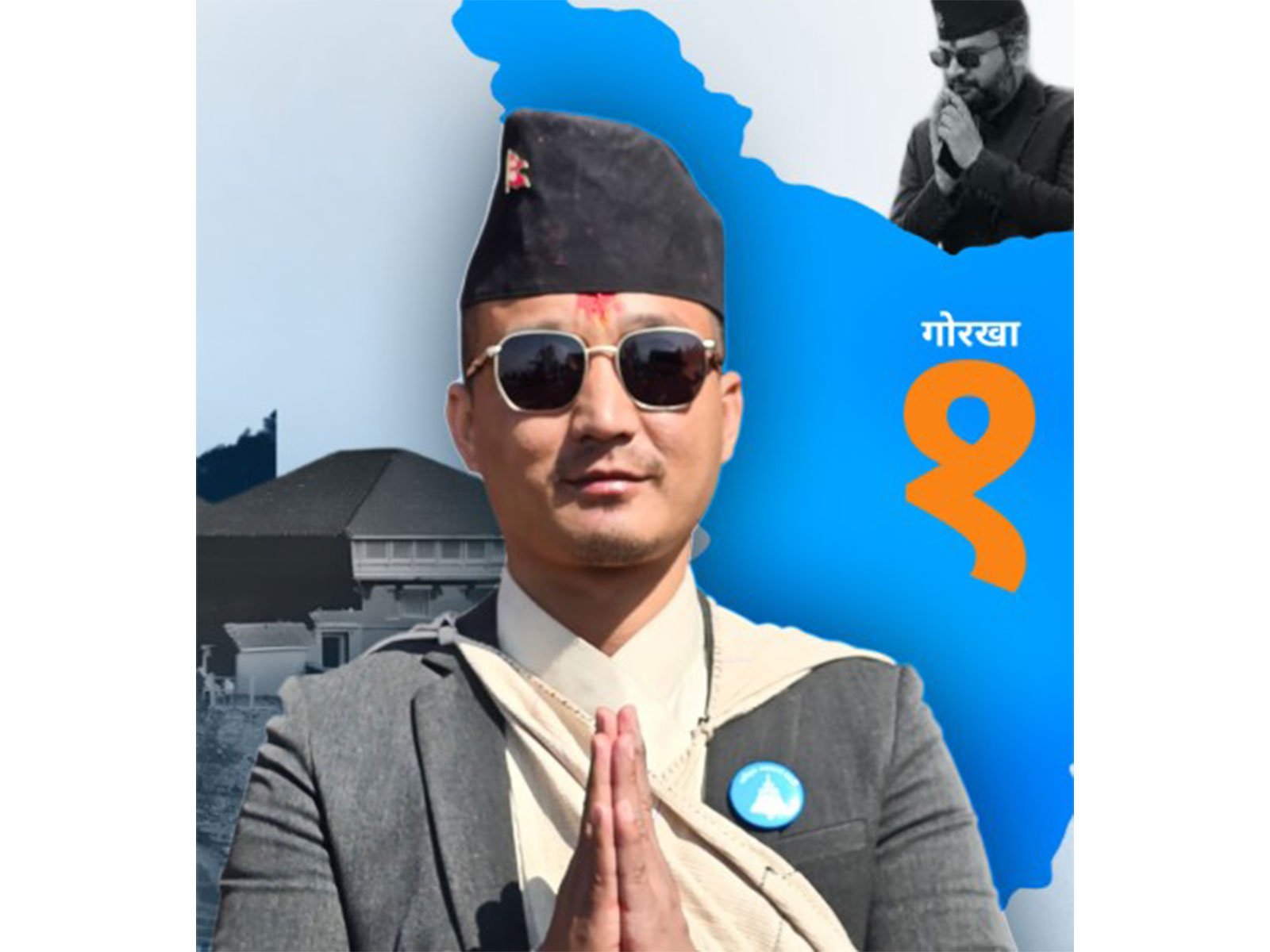
Kathmandu, Nepal | April 22
In a significant political development in Nepal, Home Minister Sudan Gurung resigned from his position on Wednesday, emphasizing that ethical values and public trust are more important than holding any government office. His resignation comes amid growing public scrutiny over concerns related to his financial holdings and alleged share-related matters.
Resignation Announcement and Reason
Sudan Gurung made the announcement through a public statement on Facebook, where he acknowledged the concerns raised by citizens and media regarding his financial dealings.
He stated that he had been performing his duties with full honesty since assuming office on March 26, 2026, but recent allegations compelled him to take a moral stand.
Gurung said:
“For me, ethics hold more weight than any position, and there is no power greater than public trust.”
He added that stepping down was necessary to ensure a fair and unbiased investigation into the allegations against him.
Emphasis on Ethics and Accountability
In his resignation statement, Gurung strongly highlighted the importance of ethics in public life. He noted that leadership should be guided by transparency, accountability, and integrity.
Referring to the expectations of younger generations, he mentioned the growing demand for clean governance:
- Transparency in public administration
- Accountability of leaders
- Ethical conduct in politics
He described this as a reflection of a broader societal shift, especially among Gen Z, who are actively advocating for better governance standards.
Financial Concerns Trigger Controversy
The resignation follows increasing scrutiny over Gurung’s alleged financial interests, particularly regarding shares and related holdings. While no formal conclusion has been reached, the issue sparked public debate and criticism.
Gurung acknowledged these concerns and stated that stepping down would eliminate any potential conflict of interest while investigations are underway.
His move is being viewed as an attempt to maintain transparency and uphold democratic values in governance.
Political Context in Nepal
Nepal’s political environment has seen several recent developments involving accountability and disciplinary actions within the government.
Earlier this month, Prime Minister Balendra Shah took strict action against another minister, Deepak Kumar Sah, who was removed from his post following allegations of misconduct.
The action was reportedly based on findings that Sah misused his position to retain his wife in a government role, violating party discipline and ethical standards.
Commitment to Clean Governance
Gurung’s resignation reflects a broader push within Nepal’s political system toward clean governance.
He stated that:
- Public office should not interfere with investigations
- Leaders must be accountable for their actions
- Ethical responsibility should come before political power
He also highlighted the sacrifices made in Nepal’s political history, emphasizing that leaders must honor those sacrifices by maintaining integrity.
Message to Citizens and Youth
In his statement, Gurung appealed to citizens, media, and especially young people to support honesty and ethical conduct in public life.
He urged:
- Media to remain responsible and transparent
- Citizens to demand accountability
- Youth to lead change through truth and integrity
He also warned that hidden interests and unethical practices in society would eventually come to light, stressing the importance of moral courage.
Impact of the Resignation
Gurung’s resignation is likely to have several implications:
1. Political Accountability
It sets a precedent for leaders to step down when facing public scrutiny, reinforcing accountability in governance.
2. Public Trust
By prioritizing ethics, the move may help restore public confidence in political institutions.
3. Investigation Transparency
His resignation allows authorities to conduct investigations without any perceived influence or bias.
Public Reaction and Significance
The resignation has sparked widespread discussion in Nepal, with many viewing it as a rare example of ethical responsibility in politics.
Some analysts believe this could:
- Strengthen democratic values
- Encourage transparency in governance
- Influence future political conduct
Others have called for a thorough investigation to ensure clarity and accountability.
Sudan Gurung’s resignation marks a crucial moment in Nepal’s political landscape, highlighting the importance of ethics, transparency, and accountability in public life.
By stepping down voluntarily, Gurung has reinforced the idea that public trust is the foundation of governance. As Nepal continues to evolve politically, such actions may play a key role in shaping a more responsible and transparent leadership culture.
The coming days will determine the outcome of investigations, but the message from this development is clear: ethical leadership remains essential in maintaining public confidence and democratic integrity.
About The Author