
 admin
admin 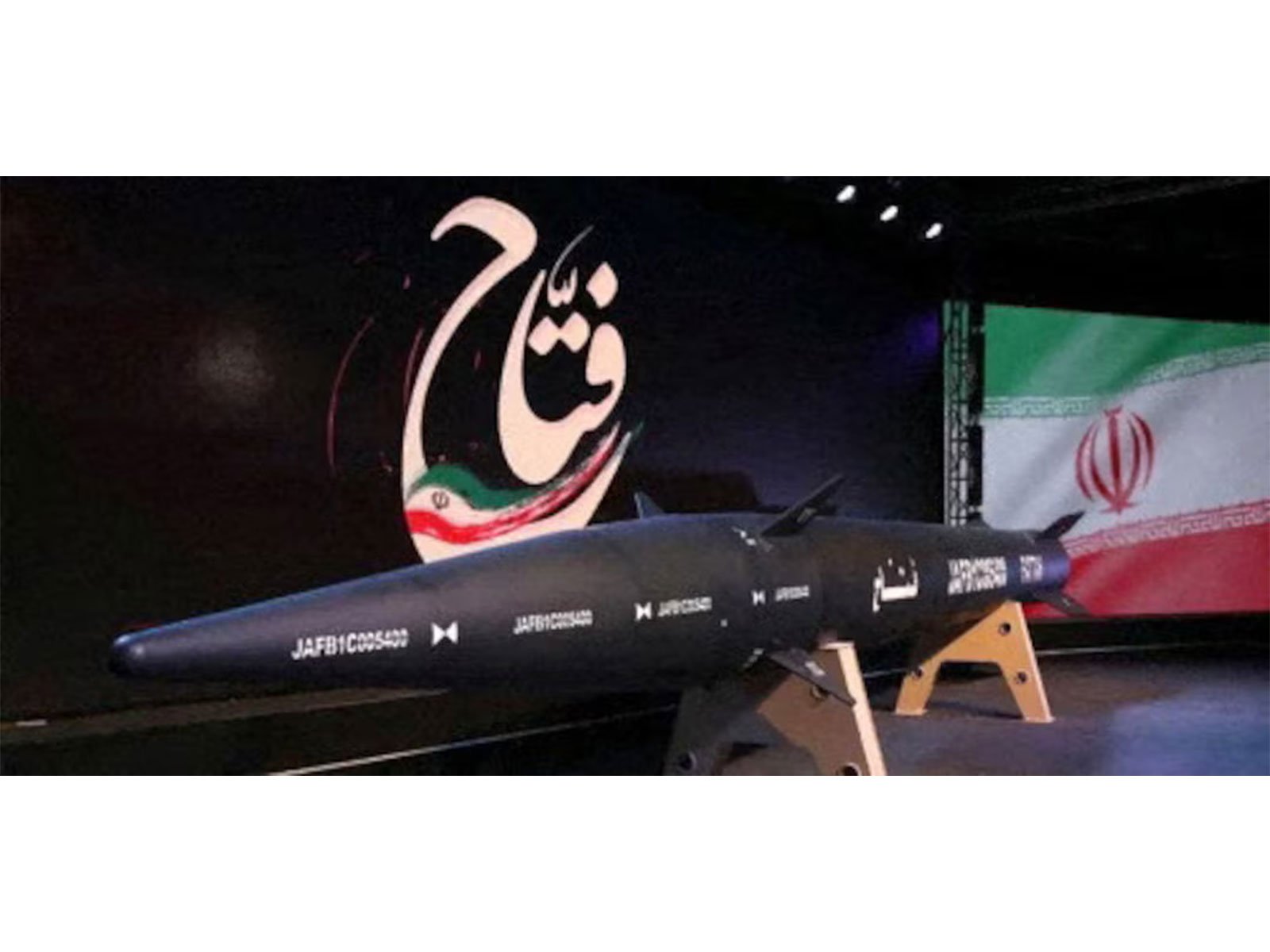
Tehran/Islamabad | April 25
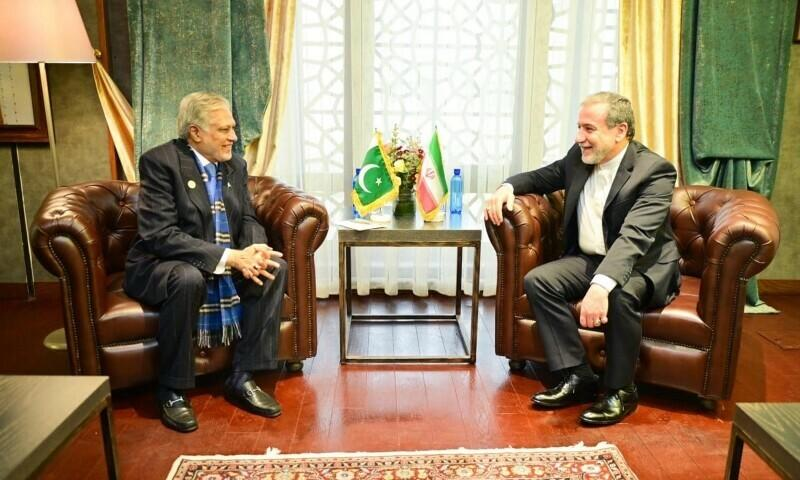
Talaei-Nik- Iran sent a strong strategic message even as its Foreign Minister Abbas Araghchi arrived in Islamabad for crucial diplomatic discussions. Officials emphasized that the country has not fully deployed its military capabilities during recent tensions, highlighting both restraint and preparedness.
The statement comes at a time when regional diplomacy is gaining momentum. At the same time, it reflects Tehran’s effort to balance negotiation with a display of strength.
Military Signals Controlled Restraint
Iran’s Defence Ministry spokesperson Reza Talaei-Nik clarified that the armed forces deliberately avoided using their full strength in recent confrontations.
He stressed that the country maintained a measured response despite having the capacity to escalate further. This approach, according to officials, demonstrates calculated restraint rather than limitation.
Additionally, Talaei-Nik stated that Iranian forces maintained effective control over key operational zones until the ceasefire was implemented. This claim reinforces the narrative of operational readiness and confidence.
Strong Domestic Defence Ecosystem
Iran also highlighted the strength of its indigenous defence production system. Officials noted that decades of investment have enabled the country to develop a self-reliant military infrastructure.
According to Talaei-Nik, the defence industry has evolved over more than 25 years. Even if certain facilities are damaged, production can continue across different regions.
Importantly, around 9,000 companies are reportedly linked to the defence sector. This wide network ensures stability in supply chains and supports continuous development of equipment.
As a result, Iran aims to showcase resilience and long-term sustainability in its military capabilities.
Strategic Importance of Key Waterways
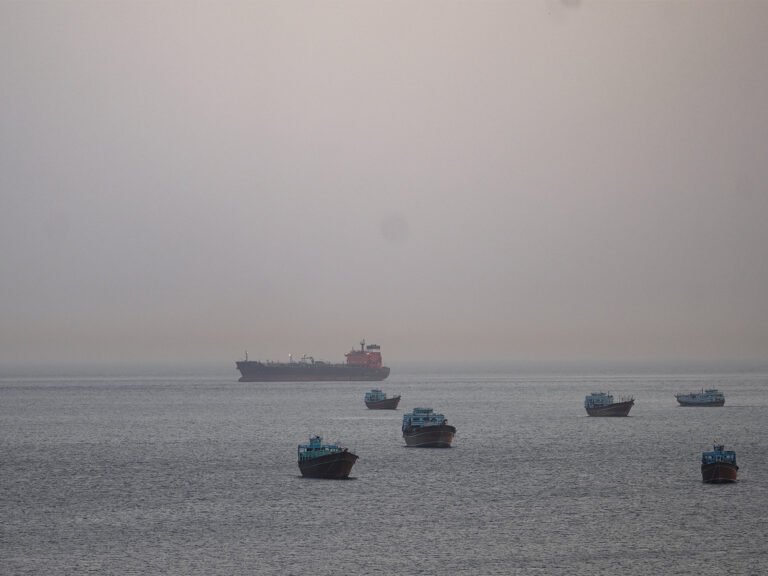
Iran also referred to its control over the Strait of Hormuz, which plays a crucial role in global oil transportation.
Officials described the region as strategically important in the current geopolitical situation. They claimed that effective monitoring and coordination allowed Iran to maintain influence over maritime activity.
This statement gains importance as tensions continue in nearby waters such as the Gulf of Oman. Any disruption in these areas could have global economic consequences.
Diplomatic Engagement in Focus
Meanwhile, Araghchi’s visit to Islamabad signals renewed diplomatic efforts. Reports suggest that discussions may involve interactions with US representatives like Steve Witkoff and Jared Kushner.
Pakistan is emerging as a key platform for dialogue. The meetings are expected to explore ways to reduce tensions and possibly revive negotiations between Tehran and Washington.
This diplomatic outreach highlights a parallel effort to find common ground while maintaining strategic positioning.
Internal Dynamics May Shape Outcomes
However, internal political dynamics could influence Iran’s approach. A recent assessment by the Institute for the Study of War indicates differences within leadership circles.
The report suggests that some factions within the Islamic Revolutionary Guard Corps prefer a stronger stance, while others support diplomatic flexibility.
Such differences may affect how Iran negotiates in upcoming discussions. A unified position will be critical for progress in talks.
Public Support and National Messaging
Iranian officials also highlighted strong domestic backing. Talaei-Nik described recent rallies as a reflection of national unity and public confidence.
He claimed that millions of citizens have expressed readiness to support the country during challenging times. This messaging aims to strengthen Iran’s position both internally and externally.
Public sentiment often plays a key role in shaping government strategies, especially during periods of tension.
A Delicate Balance Between Power and Diplomacy
The current situation reflects a careful balance between military preparedness and diplomatic engagement. On one hand, Iran continues to highlight its strength. On the other, it is actively participating in discussions aimed at easing tensions.
This dual strategy suggests that Tehran is keeping its options open. It seeks to negotiate from a position of strength while avoiding unnecessary escalation.
Global stakeholders are closely watching these developments. The outcome of these talks could influence regional stability and international relations.
Iran’s latest statements underline a clear strategy of restraint combined with readiness. While diplomatic efforts continue in Islamabad, the country is also reinforcing its strategic position.
The coming days will be crucial in determining the direction of talks. A positive outcome could ease tensions, while failure may lead to further escalation.
For now, Iran appears focused on maintaining a balance between dialogue and deterrence, ensuring it remains prepared for any scenario.g strategic restraint with a strong show of capability—keeping both diplomacy and deterrence firmly in play.
Rising Stakes in Global Politics
The situation reflects a complex balance between diplomacy and military signaling. On one hand, Iran is engaging in talks and showing willingness to negotiate. On the other hand, it continues to highlight its military strength and strategic capabilities.
This dual approach indicates that Tehran is keeping all options open. It seeks a favorable outcome through dialogue while ensuring it remains prepared for escalation if needed.
At the same time, global powers are closely watching developments. Any shift in Iran’s stance could have far-reaching implications for regional stability, energy markets, and international relations.
Diplomatic Push Gains Momentum
Meanwhile, Araghchi’s visit to Islamabad signals renewed diplomatic efforts. Reports suggest that discussions may include potential engagement with US representatives such as Steve Witkoff and Jared Kushner.
The meetings are expected to explore ways to ease tensions and revive negotiations between Iran and the United States.
Pakistan’s role as a mediator has gained importance in recent weeks. Islamabad is positioning itself as a platform for dialogue amid escalating regional uncertainty.
Internal Differences Within Iran
However, internal dynamics within Iran may influence the negotiation process. A report by the Institute for the Study of War suggests divisions among Iranian leadership.
According to the assessment, hardline figures within the Islamic Revolutionary Guard Corps have resisted calls for a more flexible diplomatic approach.
In contrast, some political leaders reportedly favour engagement and negotiation to reduce international pressure.
This internal divide could impact Iran’s ability to present a unified stance in upcoming talks.
Domestic Support and National Messaging
Iranian officials also pointed to strong domestic backing. Talaei-Nik described recent pro-government rallies as a “social miracle.”
He claimed that over 30 million citizens have joined a national campaign expressing readiness to defend the country. This messaging aims to project unity and resilience both domestically and internationally.
Such narratives often play a key role in strengthening a government’s negotiating position during times of crisis.
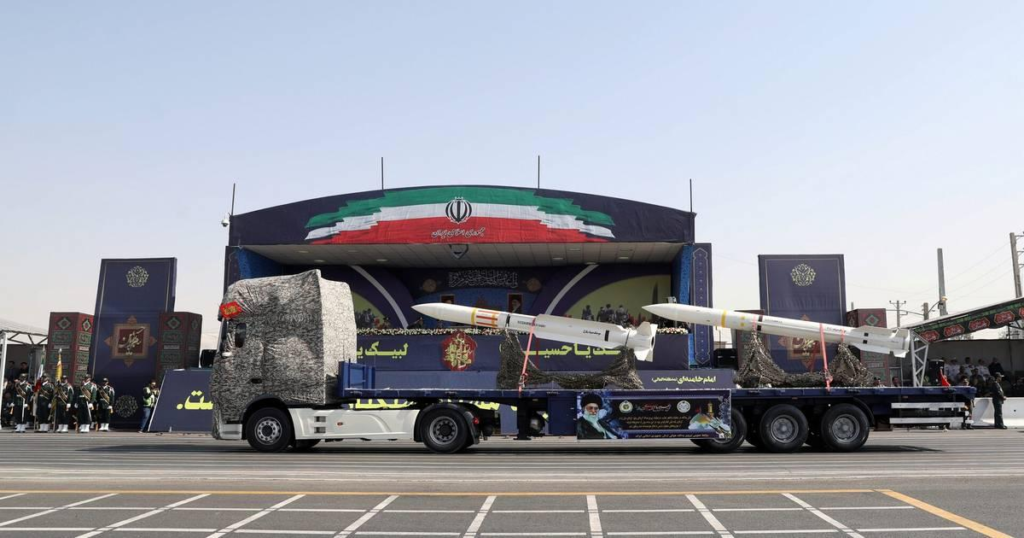
As Abbas Araghchi arrived in Islamabad for high-level diplomatic engagements, Iran’s military issued a strong statement highlighting its strategic strength. Officials stressed that a significant portion of the country’s missile capability remains unused, signaling both restraint and readiness amid rising regional tensions.
The development comes at a critical moment, as diplomatic efforts intensify between Iran, Pakistan, and the United States. At the same time, military messaging from Tehran underscores its preparedness in case negotiations fail.
Iran Emphasises Untapped Missile Capability
Iran’s Defence Ministry spokesperson Reza Talaei-Nik stated that the country has deliberately held back a large part of its missile arsenal during recent hostilities.
He explained that Iran exercised “strategic restraint” despite having the capacity to escalate further. This statement highlights Tehran’s attempt to project strength while maintaining a controlled response.
Moreover, Talaei-Nik claimed that Iran’s armed forces maintained effective control over airspace in key operational zones until the ceasefire took effect. This assertion reflects confidence in the country’s military preparedness and defensive capabilities.
Talaei-Nik claimed that Iranian forces have effectively managed maritime activity in the Gulf of Oman. He further stated that “enemy forces” were forced to retreat due to Iran’s strategic positioning and monitoring.
This assertion adds another dimension to the ongoing geopolitical tensions, as any disruption in the Strait of Hormuz can have significant global economic consequences.
Iran also highlighted its self-reliant defence ecosystem. Officials said the country’s weapons are produced through an entirely indigenous system, reducing dependence on external suppliers.
According to Talaei-Nik, more than 25 years of continuous investment have strengthened Iran’s defence industry. He added that even if some facilities face damage, production can continue across multiple locations within the country.
Meanwhile, Araghchi’s visit to Islamabad signals renewed diplomatic efforts. Reports suggest that discussions may include potential engagement with US representatives such as Steve Witkoff and Jared Kushner.
The meetings are expected to explore ways to ease tensions and revive negotiations between Iran and the United States.
Pakistan’s role as a mediator has gained importance in recent weeks. Islamabad is positioning itself as a platform for dialogue amid escalating regional uncertainty.
Iran’s latest statements underline a clear message: while diplomacy is ongoing, its military strength remains intact and largely unused.
As Foreign Minister Abbas Araghchi engages in talks in Islamabad, the coming days will be crucial. The outcome of these discussions could determine whether tensions ease through negotiation or intensify further.
For now, Iran appears to be balancing strategic restraint with a strong show of capability—keeping both diplomacy and deterrence firmly in play.
However, internal dynamics within Iran may influence the negotiation process. A report by the Institute for the Study of War suggests divisions among Iranian leadership.
According to the assessment, hardline figures within the Islamic Revolutionary Guard Corps have resisted calls for a more flexible diplomatic approach.
In contrast, some political leaders reportedly favour engagement and negotiation to reduce international pressure.
This internal divide could impact Iran’s ability to present a unified stance in upcoming talks.
Notably, around 9,000 companies are reportedly involved in supporting Iran’s defence sector. This wide network ensures resilience and uninterrupted supply chains for military equipment.
As a result, Iran aims to demonstrate that its military infrastructure can sustain prolonged pressure without major disruption.
About The Author