

 admin
admin 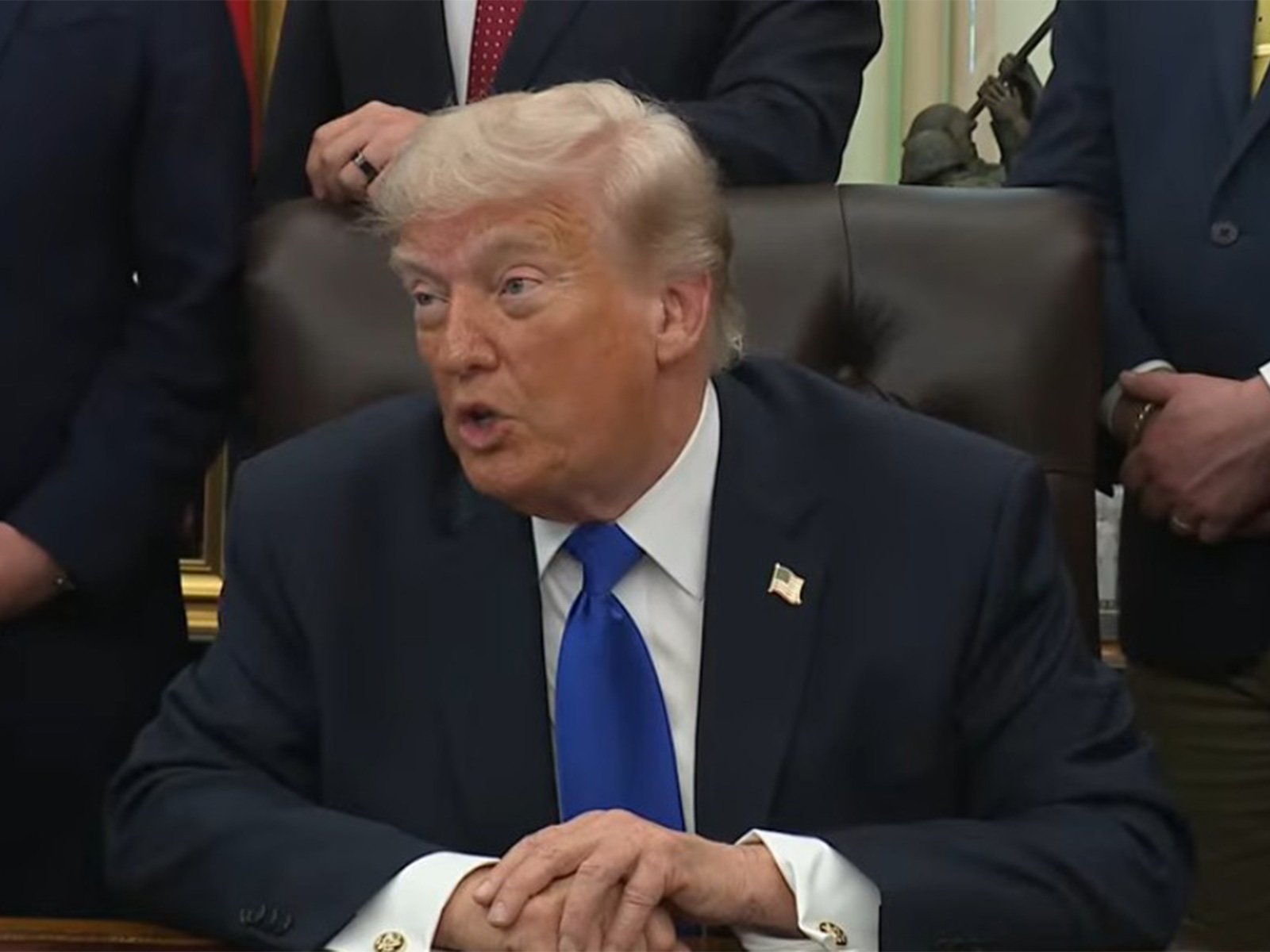
Washington DC, May 1, 2026
In a bold and highly charged statement, Donald Trump declared that Iran is eager to reach an agreement with the United States, even as tensions between the two nations remain elevated. Speaking during an executive order signing at the White House, Trump emphasised that the current situation should not be viewed as a war but rather a strategic military operation.
The statement, now widely discussed under the keyword Trump Iran Deal 2026, signals a potential shift in diplomatic dynamics amid ongoing geopolitical pressure.
Trump Iran Deal 2026: “Not a War, But a Military Operation”
During his address, Trump made it clear that he does not consider the current US actions against Iran as a full-scale war.
“I don’t call it a war. I’d rather have a military operation. Iran is dying to make a deal,” he said.
This distinction is important, as it suggests that Washington is attempting to maintain pressure while leaving room for negotiations. The framing of the situation as a “military operation” indicates a controlled approach rather than an escalation into open conflict.
Economic Pressure and Blockade Strategy
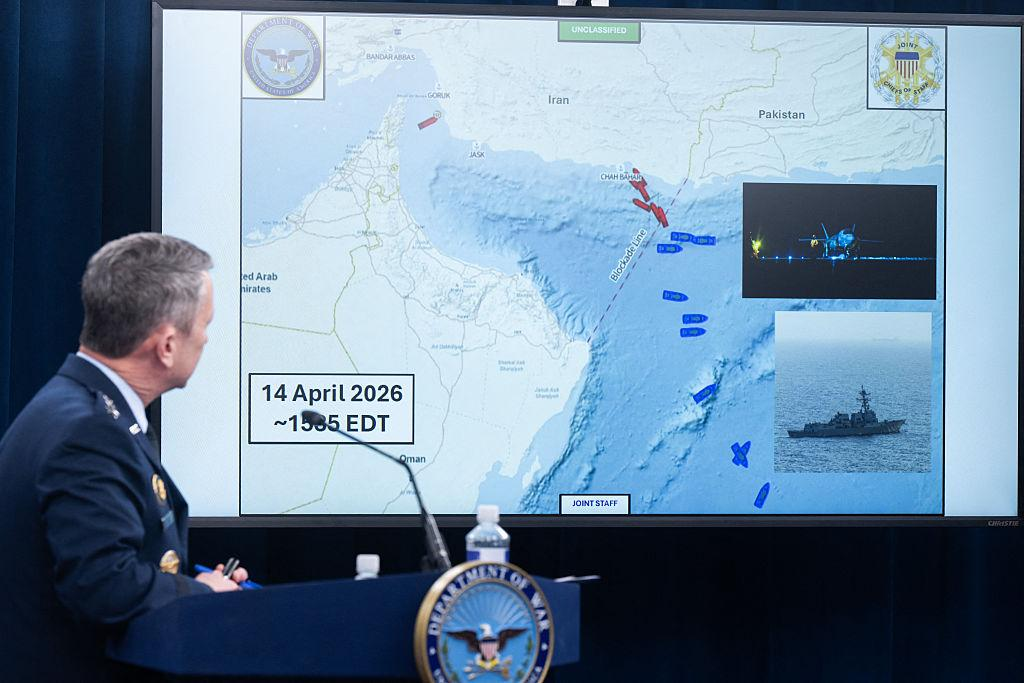
A central element of the Trump Iran Deal 2026 narrative is the economic pressure being exerted on Iran.
Trump claimed that:
- Iran’s economy is collapsing
- Oil revenues have significantly dropped
- The US-led blockade is highly effective
According to him, the blockade has severely limited Iran’s ability to generate income, particularly from oil exports, which form a major part of the country’s economy.
“They’re not getting any money from oil. The power of the blockade is incredible,” Trump said.
This strategy appears to be aimed at forcing Iran back to the negotiating table.
Claims on Iran’s Military Capabilities
In a striking assertion, Trump stated that US actions have drastically weakened Iran’s military infrastructure.
He claimed:
- Iran’s navy has been neutralised
- Its air force is no longer operational
- Drone factories are reduced by over 80%
- Missile production capacity has dropped by nearly 90%
While these claims have not been independently verified, they highlight the aggressive stance taken by the US administration.
The Trump Iran Deal 2026 narrative is built around the idea that such pressure will compel Iran to agree to US demands.
Allegations of Human Rights Violations in Iran
Another major aspect of Trump’s statement involved allegations of internal repression in Iran.
He claimed that:
- Thousands of civilians have been killed during protests
- Political dissent has been met with severe punishment
- Executions have been carried out for anti-government activities
Trump also stated that he personally intervened to prevent the execution of several individuals, including women.
“I got on the phone very quickly… I said, ‘Don’t do it. The whole world is watching,’” he said.
These remarks add a humanitarian dimension to the Trump Iran Deal 2026 narrative, positioning US actions as both strategic and moral.
Iran’s Response and Strait of Hormuz Tensions
On the other side, Iran has maintained a firm stance. Mohammad Bagher Ghalibaf reiterated Tehran’s commitment to securing the Persian Gulf and countering US influence.
He emphasised Iran’s control over the strategic Strait of Hormuz, a critical global oil route.
The Strait of Hormuz remains a major flashpoint, as:
- A significant portion of global oil passes through it
- Any disruption could impact global markets
- Control over the region is strategically vital
This ongoing tension adds complexity to the Trump Iran Deal 2026 scenario.
Link to US Economic Performance
Interestingly, Trump also linked the situation with Iran to the US economy.
He pointed to:
- Rising stock market indices
- Strong performance of the S&P and Dow Jones
According to him, economic strength gives the US leverage in dealing with global challenges, including Iran.
This connection highlights how domestic economic factors are being used to justify foreign policy decisions.
Is a Deal Really Possible?
Despite strong rhetoric, Trump’s repeated statement that Iran wants a deal suggests that diplomatic channels may still be open.
The Trump Iran Deal 2026 discussion raises key questions:
- Is Iran ready for negotiations under pressure?
- Will the US ease sanctions in exchange for concessions?
- Can both sides reach a mutually acceptable agreement?
While uncertainty remains, the emphasis on a “deal” indicates that diplomacy has not been ruled out.
Human Perspective: Between Pressure and Peace
Beyond political statements and strategic moves, the situation has real human consequences.
- Economic sanctions affect everyday citizens
- Military tensions create uncertainty in the region
- Diplomatic breakdowns increase global instability
The Trump Iran Deal 2026 narrative is not just about geopolitics—it is about finding a balance between pressure and peace.
What Lies Ahead?
The coming weeks could be crucial in determining the direction of US-Iran relations.
Possible scenarios include:
- Renewed negotiations leading to a deal
- Continued economic and military pressure
- Escalation if talks fail
Global stakeholders will be closely watching how the situation unfolds.
A Critical Moment in Global Diplomacy
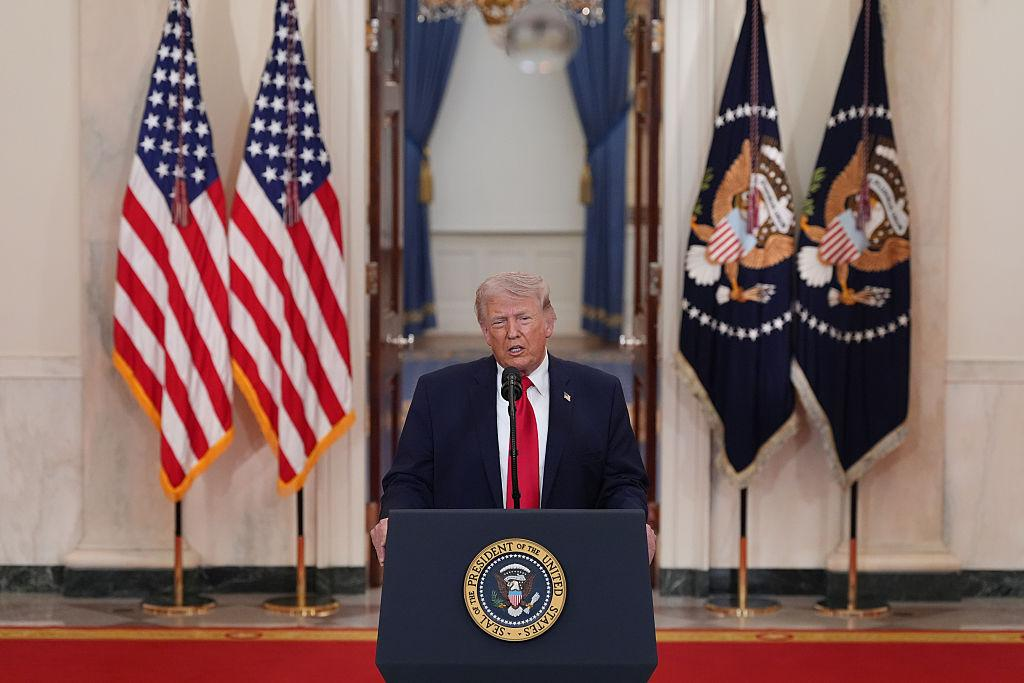
The statements made by Donald Trump have once again brought the spotlight on US-Iran relations.
The Trump Iran Deal 2026 narrative reflects a complex mix of pressure, diplomacy, and strategic messaging. While tensions remain high, the possibility of a deal offers a glimmer of hope for de-escalation.
Whether this leads to a breakthrough or further confrontation will depend on how both nations navigate the path ahead.
About The Author