
 admin
admin 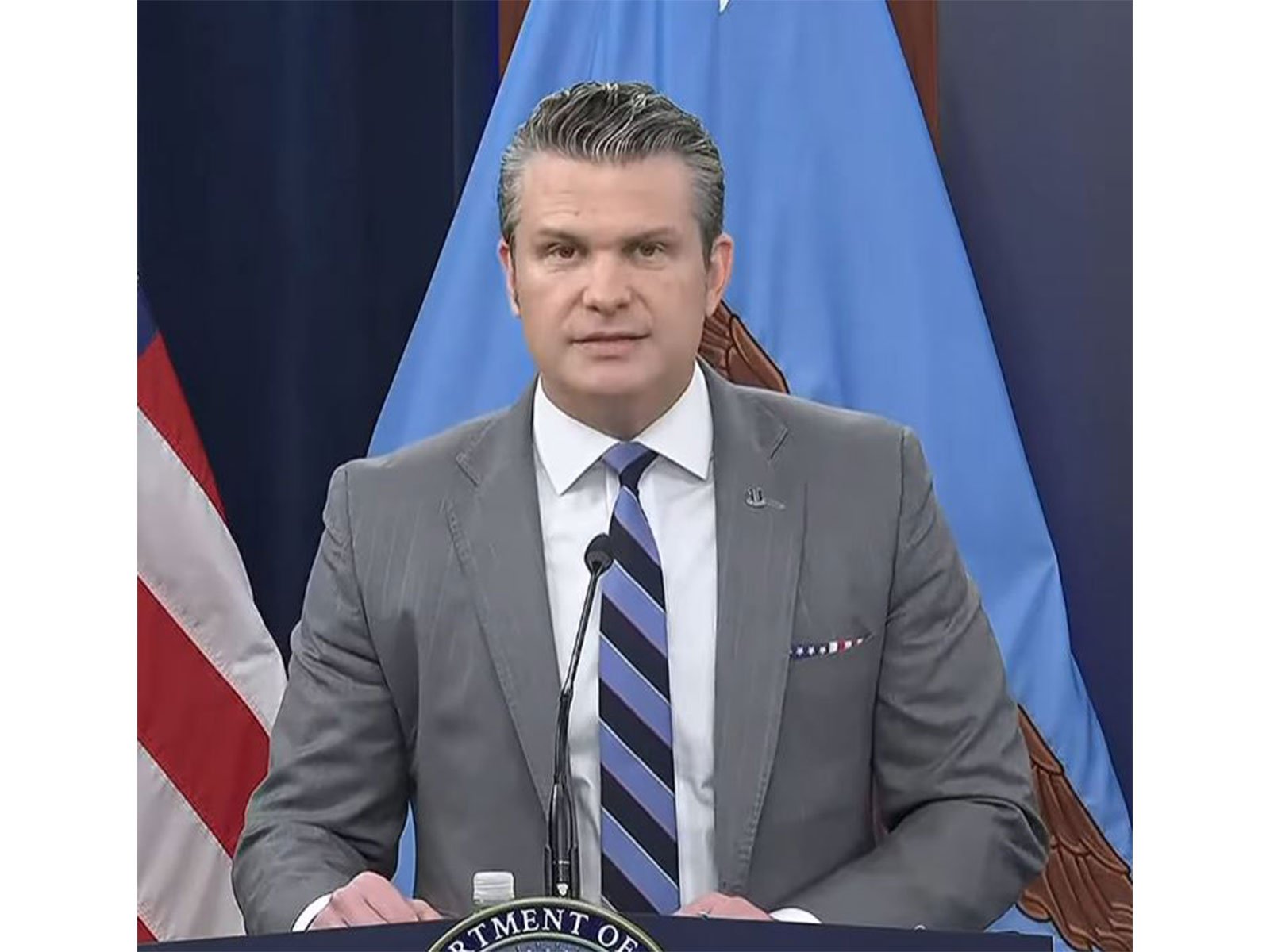
Washington DC | April 25
The United States has significantly escalated pressure on Iran by expanding its naval blockade across key global waterways. US Secretary of War Pete Hegseth stated that Iran now faces a critical decision—engage in negotiations or face increasing isolation as enforcement measures intensify.
The announcement signals a major shift in Washington’s strategy. While diplomacy remains on the table, military pressure is now being used as a primary tool to influence Tehran’s next move.
Expanding Blockade Across Global Waters
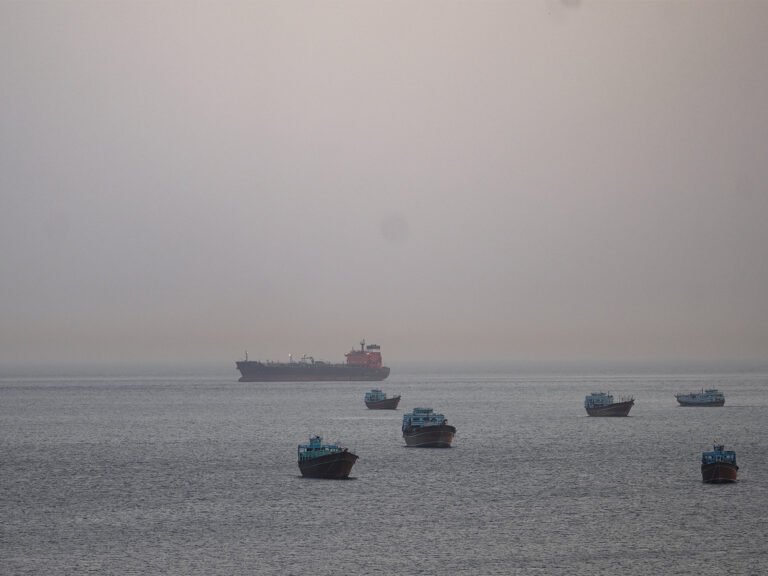
According to Hegseth, the blockade is no longer limited to the Middle East. Instead, it now stretches from the Gulf of Oman to the Indo-Pacific region, marking a broader global enforcement approach.
He emphasized that US naval forces are actively monitoring and intercepting vessels suspected of links to Iranian ports or sanctioned trade routes.
The US Navy has already taken decisive action. Several ships have been turned back, while others have been seized for allegedly violating international sanctions. This includes so-called “dark fleet” vessels—ships that operate outside regulatory frameworks and are often used to transport restricted oil shipments.
As a result, maritime activity linked to Iran has come under intense scrutiny.
Vessel Interceptions and Enforcement Actions
Hegseth revealed that multiple vessels have already been intercepted under the expanded blockade. He stated that every ship meeting US enforcement criteria has either been redirected or denied passage.
However, not all shipping has been affected. A limited number of non-Iranian vessels have been allowed safe transit after thorough checks. This indicates that the blockade aims to target specific activities rather than disrupt global trade entirely.
Moreover, US forces recently seized two Iranian-linked vessels in the Indo-Pacific region. These ships had reportedly left Iranian ports before the blockade came into effect. Despite this timing, authorities acted against them due to alleged sanctions violations.
This move highlights the growing reach of US maritime enforcement.
Military Build-Up Signals Strong Deterrence
To further strengthen its position, the United States is deploying additional naval assets. Hegseth confirmed that a second aircraft carrier will soon join the operation.
This deployment will enhance surveillance, interception capabilities, and rapid response readiness. It also sends a strong signal to Iran and other global actors about America’s military preparedness.
The increased presence of warships and aircraft reflects a strategy focused on deterrence. By demonstrating strength, Washington aims to prevent escalation while maintaining pressure.
Diplomatic Option Still Open
Despite the aggressive military posture, the US has not ruled out diplomacy. Hegseth made it clear that Iran still has an opportunity to negotiate.
He described the situation as a “chance to make a good and wise deal.” This suggests that Washington prefers a negotiated outcome but is willing to escalate pressure if necessary.
The dual approach—combining diplomacy with military action—has become a defining feature of current US foreign policy toward Iran.
Furthermore, recent statements from US officials indicate that discussions could resume if Iran presents a unified and constructive proposal.
Global Implications of the Blockade
The expanding blockade has significant global consequences. First, it impacts energy markets, as Iran remains a key player in oil exports. Any disruption in supply routes can influence global prices.
Second, the move raises concerns about maritime security in strategic waterways such as the Strait of Hormuz. This region is critical for international trade, and increased military activity may heighten tensions.
Rising Tensions and Strategic Messaging
The US action comes amid already strained relations between Washington and Tehran. Iran has repeatedly criticised sanctions and military pressure, calling them violations of international norms.
At the same time, the US maintains that its actions aim to enforce compliance and ensure global security. The blockade serves both as a practical enforcement tool and a strategic message.
About The Author