

 admin
admin 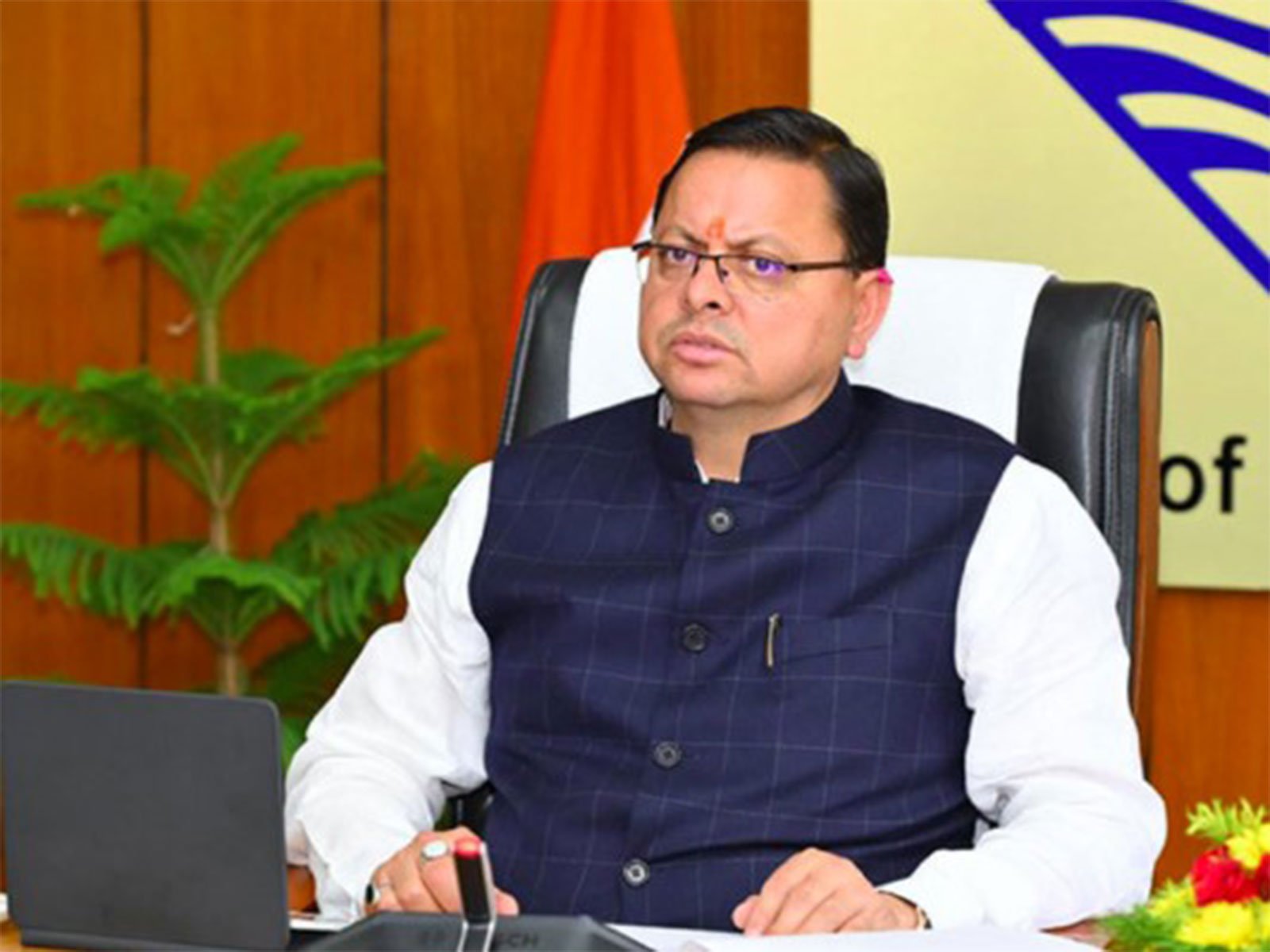
Dehradun, March 7: Uttarakhand has secured the first position in India for the effective implementation of new criminal laws and the Inter-Operable Criminal Justice System (ICJS) 2.0, according to the latest data released by the National Crime Records Bureau (NCRB) up to January 2026.
The achievement highlights the state’s strong performance in adopting technology-driven policing and judicial reforms.
Uttarakhand Scores Highest in National Ranking
According to the CCTNS/ICJS Progress Dashboard, Uttarakhand scored 93.46, the highest among all states.
The top five states in the national ranking include:
- Uttarakhand – 93.46
- Haryana – 93.41
- Assam – 93.16
- Sikkim – 91.82
- Madhya Pradesh – 90.55
Officials said the ranking reflects the state’s efficient implementation of digital justice systems and new criminal laws.
CM Pushkar Singh Dhami Led Implementation Efforts
The success is largely credited to Uttarakhand Chief Minister Pushkar Singh Dhami, who closely monitored the implementation of the new legal framework.
The new criminal laws include:
- Bharatiya Nyaya Sanhita (BNS)
- Bharatiya Nagarik Suraksha Sanhita (BNSS)
- Bharatiya Sakshya Adhiniyam (BSA)
CM Dhami held several review meetings with senior officials and district-level officers to ensure smooth implementation of these laws.
Officials said this continuous monitoring helped resolve technical issues and improve coordination between departments.
ICJS 2.0 Improves Coordination Across Justice System
The ICJS 2.0 platform integrates several departments under a “One Data, One Entry” system.
Through this system, information entered once becomes instantly available across multiple platforms, including:
- Police (CCTNS)
- e-Courts
- e-Prisons
- e-Prosecution
- e-Forensics
This integration reduces paperwork, improves efficiency, and speeds up case processing.
Technology Strengthens Smart Policing
To improve transparency and evidence management, the state has introduced the “e-Sakshya” mobile application.
The app enables:
- Videography of crime scenes
- Secure storage of digital evidence
- Better documentation of investigations
More than 23,000 police personnel have also received specialized training on the provisions of the new criminal laws.
The state has also introduced virtual court hearings through the “Nyaya Shruti” system and deployed forensic mobile vans to strengthen investigative capabilities.
Uttarakhand Emerges as Model for Smart Policing
Uttarakhand Police spokesperson and Inspector General of Police (Crime and Law & Order) Sunil Kumar Meena confirmed the state’s top ranking.
He said Uttarakhand has set a national benchmark in technological implementation and real-time data entry within the criminal justice system.
Union Home Minister Amit Shah has also appreciated the state’s progress, particularly the implementation of the “One Data, One Entry” model.
Officials believe Uttarakhand’s success could serve as a national model for modern policing and digital justice reforms.
About The Author