
 admin
admin 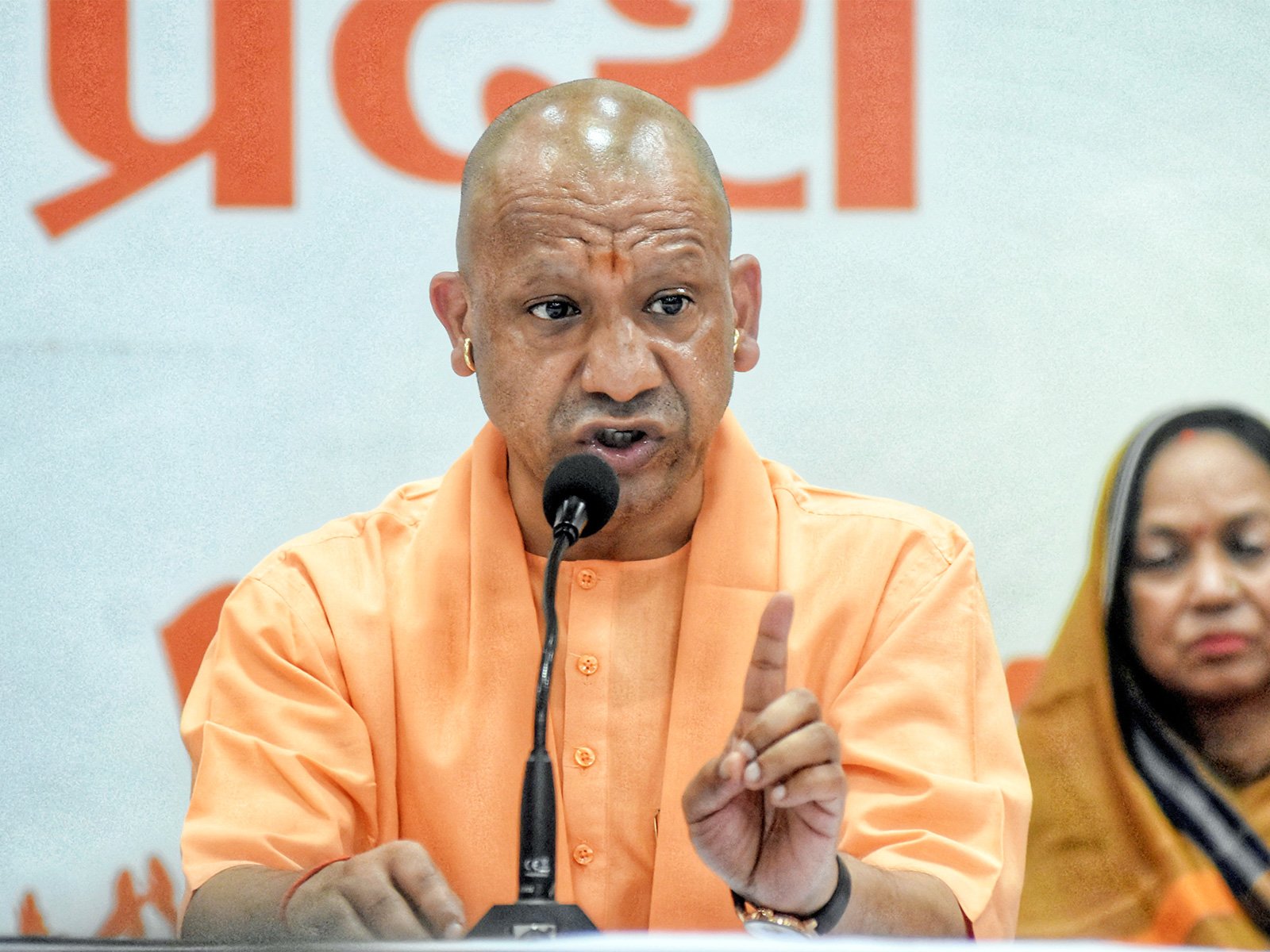
Lucknow (Uttar Pradesh), April 20:
Uttar Pradesh Chief Minister Yogi Adityanath on Monday urged citizens to remain alert as temperatures continue to rise across the state. He emphasized that people must take precautions to protect themselves from heat-related illnesses. At the same time, he assured that the government have made strong preparations to deal with the situation.
According to the India Meteorological Department (IMD), Lucknow will witness temperatures ranging between 25°C and 41°C. As a result, the risk of heatwaves has increased significantly. Therefore, authorities have started implementing preventive measures across districts.
CM Appeals for Public Awareness
Yogi Adityanath addressed citizens through a public message and highlighted the importance of awareness. He stated that summer arrives every year as part of nature’s cycle. However, rising temperatures require extra caution from everyone.
He urged people to stay hydrated and avoid stepping out during peak heat hours. In addition, he advised wearing loose cotton or khadi clothes to stay comfortable. He also asked citizens to avoid activities that may lead to fire hazards.
Moreover, the Chief Minister encouraged people to take care of vulnerable groups. Children and elderly individuals need special attention during extreme heat. He also appealed to citizens to keep water outside their homes for animals and birds.
Government Strengthens Preparedness
Along with public awareness, the state government has strengthened its preparedness. Officials have ensured coordination at all administrative levels. Consequently, response systems are ready to handle heat-related emergencies.
The government has focused on maintaining uninterrupted power supply. It plans to provide nearly 34,000 megawatts of electricity across the state. Thermal power plants will operate at full capacity to meet rising demand.
Furthermore, authorities have introduced measures to reduce heat exposure in urban areas. For instance, water sprinkling on roads has already begun in several cities. Shaded rest areas have also been set up at public places.
Health Measures and Emergency Support
The health department has taken several steps to manage heatwave conditions. Hospitals across Uttar Pradesh must stay prepared for heatstroke cases. Doctors and medical staff have received clear instructions to provide immediate treatment.
In addition, the government has organised health camps at construction sites and industrial zones. These camps will offer basic medical support to workers who face high exposure to heat.
Free drinking water facilities are now available at multiple public locations. These include tehsil offices, police stations, and Anganwadi centres. As a result, citizens can easily access safe drinking water during extreme weather.
Focus on Animal Safety and Environment
The government has also taken steps to protect animals from rising temperatures. Heatwave Action Plans are now active in zoos and wildlife sanctuaries. Officials are closely monitoring animal health and safety.
At the same time, gaushalas have received instructions to ensure adequate water and fodder supply. These efforts aim to prevent heat-related stress among animals.
Additionally, the Chief Minister highlighted the importance of environmental balance. He warned that disruptions in seasonal patterns can lead to disasters such as droughts, floods, and epidemics. Therefore, both government agencies and citizens must stay prepared.
Citizen Responsibility Remains Key
While the government has taken strong steps, Yogi Adityanath stressed the role of citizens. He said public cooperation is essential to reduce risks during extreme weather.
People must follow safety guidelines and remain cautious. Simple actions like drinking water regularly and avoiding direct sunlight can make a big difference. Similarly, helping animals and supporting vulnerable individuals can improve community safety.
Rising temperatures in Uttar Pradesh have increased the risk of heatwaves. However, the state government has taken proactive steps to address the situation. From power supply to healthcare support, multiple systems are now in place.
At the same time, citizens must act responsibly and follow safety measures. With coordinated efforts, the impact of extreme heat can be reduced effectively.
About The Author