
Delimitation Bill 2026: Vijay Seeks Assurance on Parliamentary Representation for Southern States
 admin
admin 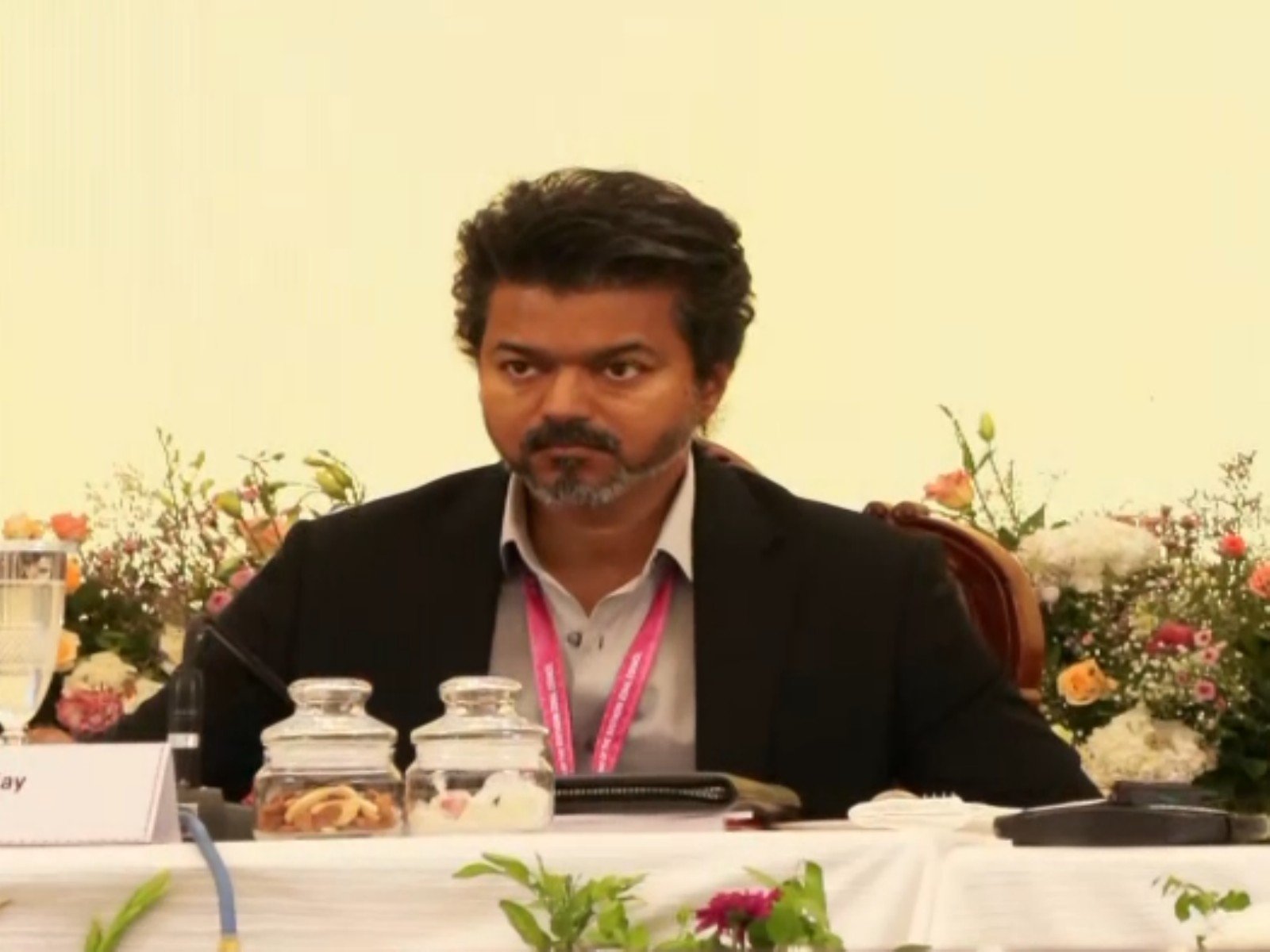
Tamil Nadu Chief Minister Joseph Vijay has raised serious concerns over the proposed Delimitation Bill 2026, urging the Union Government to provide a clear guarantee that no state will lose its parliamentary representation due to the upcoming delimitation exercise. His remarks came during the 31st meeting of the Southern Zonal Council, chaired by Union Home Minister Amit Shah in Tamil Nadu.
The debate around the Delimitation Bill 2026 has gained momentum as several Southern states fear that a population-based approach could reduce their share of seats in Parliament. Vijay highlighted that states like Tamil Nadu and Kerala have successfully implemented population stabilisation policies over several decades and should not face a disadvantage because of their achievements.
Vijay Raises Concerns Over Delimitation Bill 2026
Addressing the meeting, Vijay stated that the proposed changes in parliamentary seat allocation could impact the political representation of Southern states. The current freeze on Lok Sabha seat allocation, based on the 1971 Census, is expected to end soon, leading to discussions around a new delimitation process.
According to Vijay, using population numbers as the primary factor for allocating parliamentary seats may reduce the influence of states that have controlled population growth through effective public policies.
He emphasised that population stabilisation, human development, and economic progress are national achievements and should not result in reduced representation in democratic institutions.
Vijay urged the Centre to introduce legislative safeguards ensuring that no state experiences a decline in its percentage share of parliamentary representation due to successful population control measures.
Southern States Seek Fair Representation
The discussion surrounding the Delimitation Bill 2026 has been particularly important for Southern states. Tamil Nadu, Kerala, Karnataka, Andhra Pradesh, and Telangana have expressed concerns that population-based delimitation may favour states with higher population growth rates.
Southern states argue that they followed national family planning programmes and invested heavily in healthcare, education, and social development. As a result, their population growth has slowed compared to some other regions.
Leaders from these states believe that reducing their parliamentary representation could create an imbalance in India’s federal structure.
Vijay said that any delimitation process must maintain fairness and protect the democratic voice of every state.
Impact of Delimitation Bill 2026 on Indian Politics
The Delimitation Bill 2026 is expected to become one of the most significant political discussions in India as it directly affects the distribution of Lok Sabha seats among states.
Delimitation refers to the process of redrawing electoral boundaries and determining the number of parliamentary and assembly constituencies based on population data.
Supporters of population-based delimitation argue that representation should reflect current population realities. However, opponents believe that states which successfully managed population growth should not be politically penalised.
The issue highlights the challenge of balancing equal representation with India’s diverse regional development patterns.
Vijay Also Raises NEET Admission Concerns
Apart from the Delimitation Bill 2026, Vijay also raised concerns regarding the National Eligibility cum Entrance Test (NEET). He stated that Tamil Nadu believes NEET creates difficulties for rural and economically weaker students.
The Tamil Nadu Chief Minister requested permission for the state to fill medical seats under its quota system based on Class XII marks instead of NEET scores.
According to Vijay, the state’s previous admission model provided wider access to students from different social and economic backgrounds.
He urged the Centre to consider alternative mechanisms for MBBS, BDS, and AYUSH admissions in Tamil Nadu.
Interstate River Disputes and Cauvery Issue
During the Southern Zonal Council meeting, Vijay also discussed interstate water disputes, particularly the Cauvery river issue between Tamil Nadu and Karnataka.
He stated that cooperation between states must be supported by legal compliance and respect for Supreme Court decisions and tribunal orders.
Highlighting the importance of water resources for agriculture and livelihoods, Vijay said that river management requires both coordination and protection of the rights of lower riparian states.
He stressed that decisions of the Cauvery Water Management Authority must be implemented effectively.
Demand for Stronger Online Medicine Regulations
Vijay also called for stronger regulations on the online sale of prescription medicines. He urged the Central Government to improve monitoring systems and take stricter action against unauthorised medicine sales.
He further highlighted the need for stronger interstate coordination to address substance abuse among young people.
About The Author