admin
admin 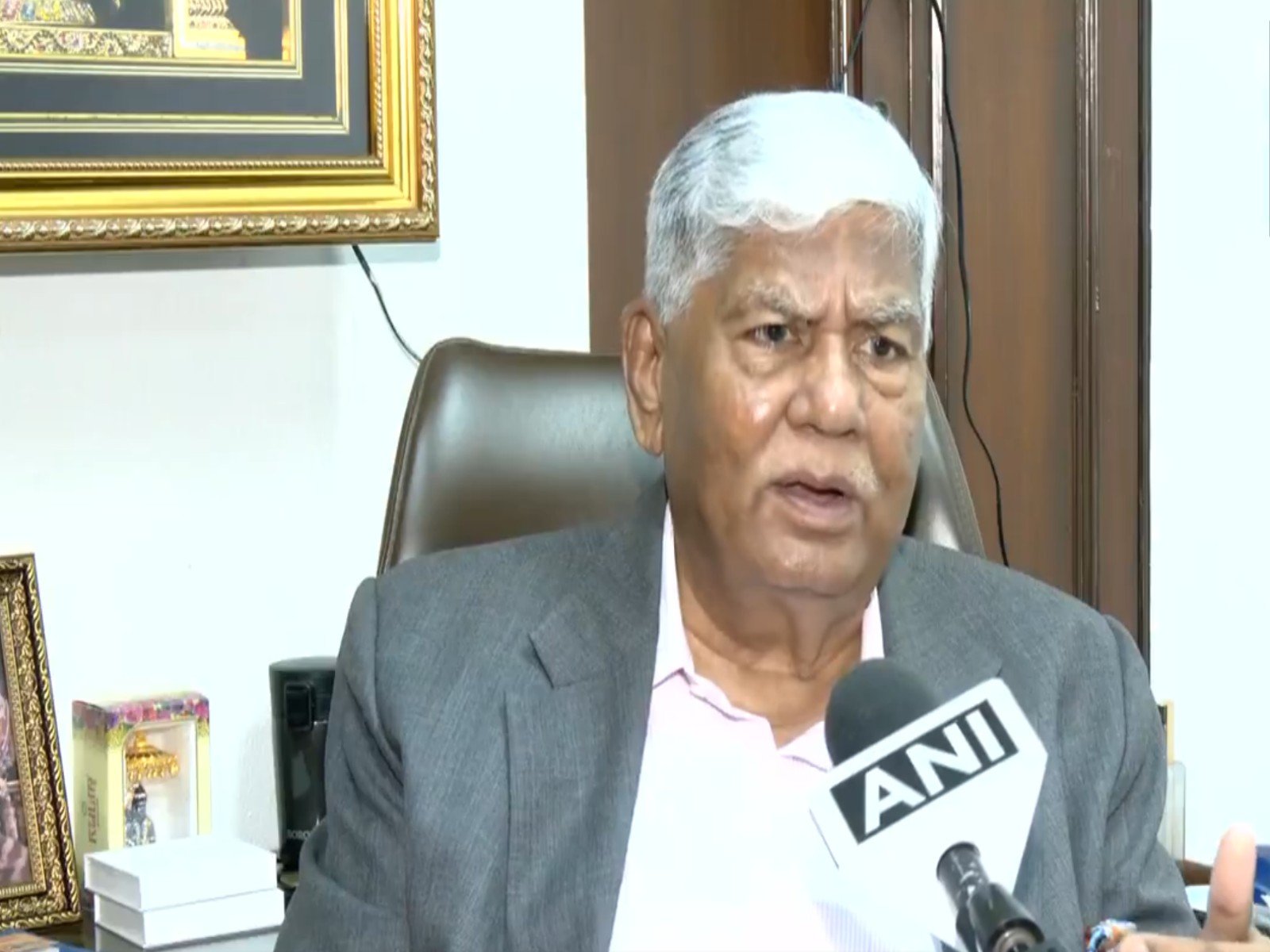
New Delhi, April 21, 2026: The Indian economy is expected to enter a phase of robust growth, stronger markets, and improved employment opportunities after May 1, according to Vijay G Kalantri, Chairman of the MVIRDC World Trade Center Mumbai.
Speaking to ANI, Kalantri expressed optimism about India’s economic outlook despite recent global challenges, including geopolitical tensions and energy supply disruptions.
Strong Economic Fundamentals Support Growth
Kalantri emphasized that India’s core economic fundamentals remain strong, supported by solid corporate earnings and resilient market indicators.
“Fundamentals are strong. Temporary hiccups due to gas and oil issues will fade. After May 1, we will see good markets, economic growth, better employment, and increased exports,” he said.
Falling Oil Prices to Boost Economy
A key factor driving this optimism is the expected decline in global oil prices. According to Kalantri:
- Oil prices have already dropped below USD 95
- Gas prices are nearing USD 12
- Prices may further fall to USD 70–80 range soon
He noted that increased production by OPEC is likely to stabilize energy markets, easing inflationary pressures on the Indian economy.
Geopolitical Stability Key to Growth
Addressing tensions in West Asia, Kalantri highlighted that dialogue and diplomacy remain essential for long-term stability. He stressed that economic growth should not be derailed by political conflicts.
India, he noted, maintains balanced relations with global powers including:
- United States
- Iran
- Israel
This diplomatic balance ensures continued trade and safe energy supply routes, including through the strategic Strait of Hormuz.
Push for US-India Trade Agreement
Kalantri also urged the quick finalization of the India–US Bilateral Trade Agreement (BTA), noting that the United States remains India’s largest trading partner.
“We should move forward with clear intent and remove trade irritants to strengthen business ties,” he said.
Growth Driven by Make in India & Energy Initiatives
Highlighting domestic strengths, Kalantri pointed to major initiatives such as:
- Make in India campaign
- Expansion of solar energy capacity (target 500 GW, already ~250 GW achieved)
- Growth in electric vehicles (EVs)
- New energy and rare earth policies
These initiatives are expected to drive long-term industrial and economic expansion.
Rising Industrial Capacity
India’s steel production capacity is also on the rise:
- Current: 140 million tons
- Target: 180 million tons
Kalantri stressed that achieving these goals will require reduced bureaucracy and greater ease of doing business, aligning with the government’s vision of “minimum government, maximum governance.”
About The Author