
RBI Rupee Volatility: RBI Remains Vigilant on Rupee Volatility, Welcomes Tax Relief for Foreign Investors in Government Securities
 admin
admin 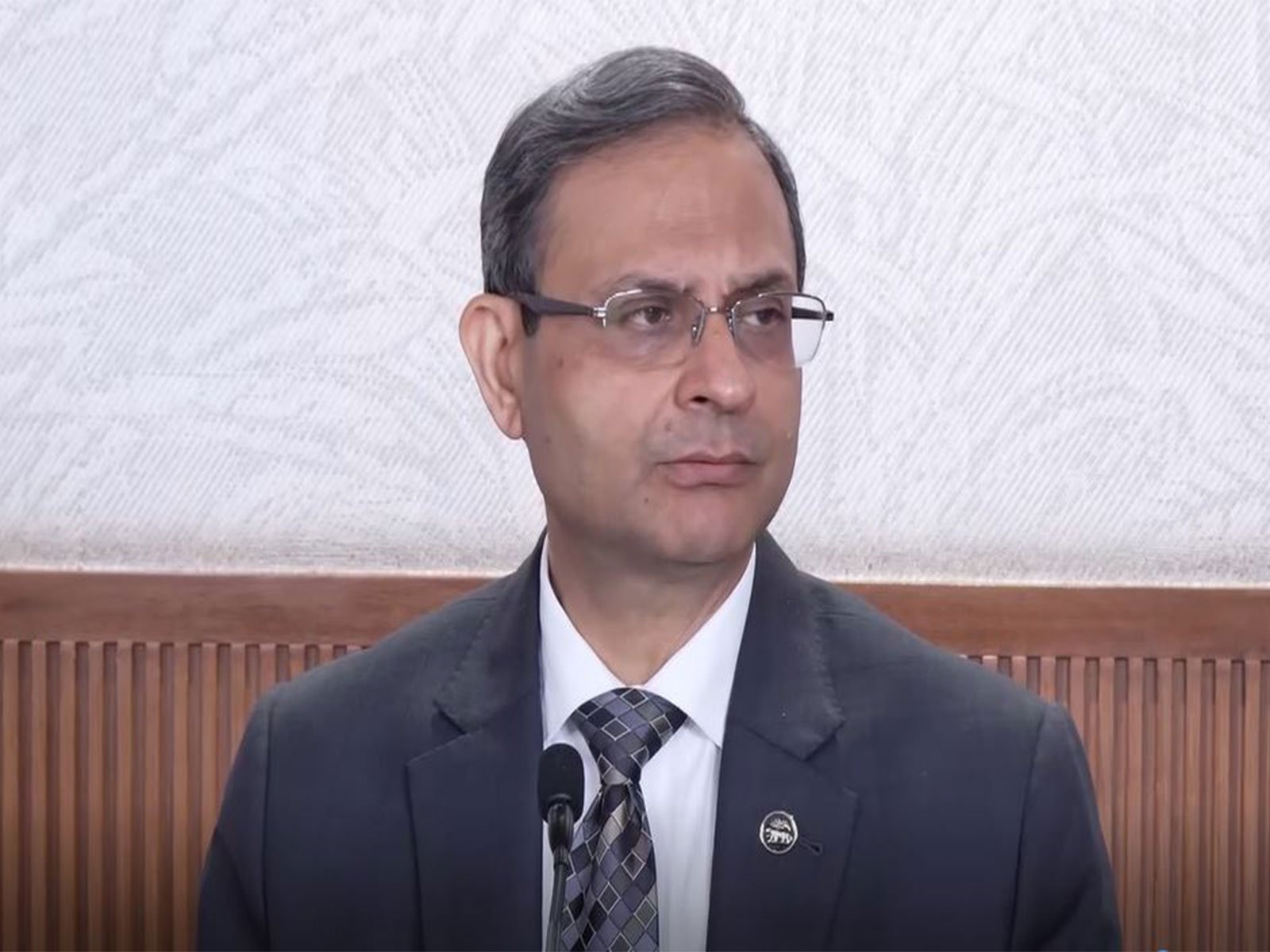
RBI Rupee Volatility
RBI Assures Market Stability Amid Global Uncertainty
New Delhi, June 5, 2026: The Reserve Bank of India (RBI) has reaffirmed its commitment to maintaining stability in the currency market, stating that it will closely monitor the Indian rupee and intervene whenever necessary to prevent excessive volatility. RBI Governor Sanjay Malhotra made these remarks during the post-Monetary Policy Committee (MPC) press conference on Friday.
The Governor also welcomed the government’s recent decision, RBI Rupee Volatility to exempt foreign institutional investors (FIIs) from capital gains tax on investments in government securities (G-Secs), describing it as a positive step that will strengthen India’s external financial position.
Tax Relief for Foreign Investors Expected to Boost Capital Inflows
Addressing questions during the press conference, Governor Malhotra said the RBI Rupee Volatility tax exemption for foreign investors investing in Indian government securities would have a favourable impact on the country’s balance of payments.
According to the RBI Governor, the move is expected to attract additional foreign capital into India’s debt market, improve investor confidence, and further strengthen the country’s financial stability.
Financial experts believe that the tax relief could increase the RBI Rupee. Volatility: the attractiveness of Indian government bonds among global investors, supporting long-term economic growth and foreign exchange reserves.
RBI to Act Against Excessive Rupee Volatility
The RBI Governor emphasized that whileAddressing questions during the press conference, Governor Malhotra said theRBI Rupee Volatility tax exemption for foreign investors investing in Indian government securities would have a favorable impact on the country’s balance of payments.
market-driven movements in the rupee are natural, the central bank remains prepared to intervene if speculative activity creates disorderly market conditions.
He clarified that the RBI closely monitors currency market developments and standsAddressing questions during the press conference, Governor Malhotra said theRBI Rupee Volatility tax exemption for foreign investors investing in Indian government securities would have a favorable impact on the country’s balance of payments.
ready to take appropriate regulatory and macro-prudential measures if excessive speculation leads to abnormal fluctuations in the rupee’s value.
The statement comes at a time when global financial markets are witnessing heightened uncertainty due to geopolitical tensions and fluctuations in commodity prices.
Inflation Target Remains Firm at 4 Percent
Despite recent concerns regarding inflationary pressures, Governor Malhotra reiterated that the RBI’s inflation target remains unchanged at 4 percent.
He stated that maintaining price stability continues to be one Addressing questions during the press conference, Governor Malhotra said theRBI Rupee Volatility tax exemption for foreign investors investing in Indian government securities would have a favorable impact on the country’s balance of payments.
of the central bank’s primary objectives.RBI Rupee Volatility: The RBI will continue monitoring inflation trends and assess whether current price pressures become persistent enough to influence broader inflation expectations.
The central bank recently revised its inflation outlook for FY27, citing rising crude oil prices and uncertainties linked to ongoing geopolitical developments in West Asia.
West Asia Conflict Remains Key Economic Risk
Speaking about external risks, the RBI Governor identified supply disruptions arising from the conflict in West Asia as the most significant concern currently facing the global economy.
While supply availability remains relatively stable, the RBI is closely watching the impact of disruptions on commodity prices, particularly crude oil, which could influence inflation and economic growth.
Analysts suggest that prolonged geopolitical tensions could result in higher import costs and increased inflationary pressures for several emerging economies, including India.
RBI Clarifies Position on Gold Reserves
Governor Malhotra also addressed speculation regarding the RBI’s gold reserves, dismissing reports suggesting that the central bank was selling gold holdings.
He clarified that there has been no sale of gold by the RBI and that the country’s gold reserves have instead witnessed a marginal increase.
India’s gold reserves continue to play an important role in strengthening the country’s foreign exchange reserves and maintaining financial stability.
Polymer Currency Notes Under Review
On the possibility of introducing polymer currency notes in India, the RBI Governor confirmed that the proposal remains under examination.
He stated that the central bank is currently evaluating the advantages and disadvantages of polymer notes and that discussions are still at a preliminary stage.
Polymer banknotes are known for their durability, resistance to wear and tear, and enhanced security features compared to traditional paper currency.
Conclusion
The RBI’s latest remarks highlight its proactive approach toward RBI Rupee Volatility maintaining financial stability amid global economic uncertainty. By supporting measures that attract foreign investment while remaining vigilant against excessive rupee volatility, the central bank aims to safeguard India’s economic interests.
As inflation risks, geopolitical tensions, and global market uncertainties continue to evolve, investors and businesses will closely monitor future RBI policy decisions and their impact on the Indian economy.
About The Author