

Israel-US Coordination on Iran Gas Strike? Axios Report Contradicts Trump’s ‘No Knowledge’ Claim
 admin
admin 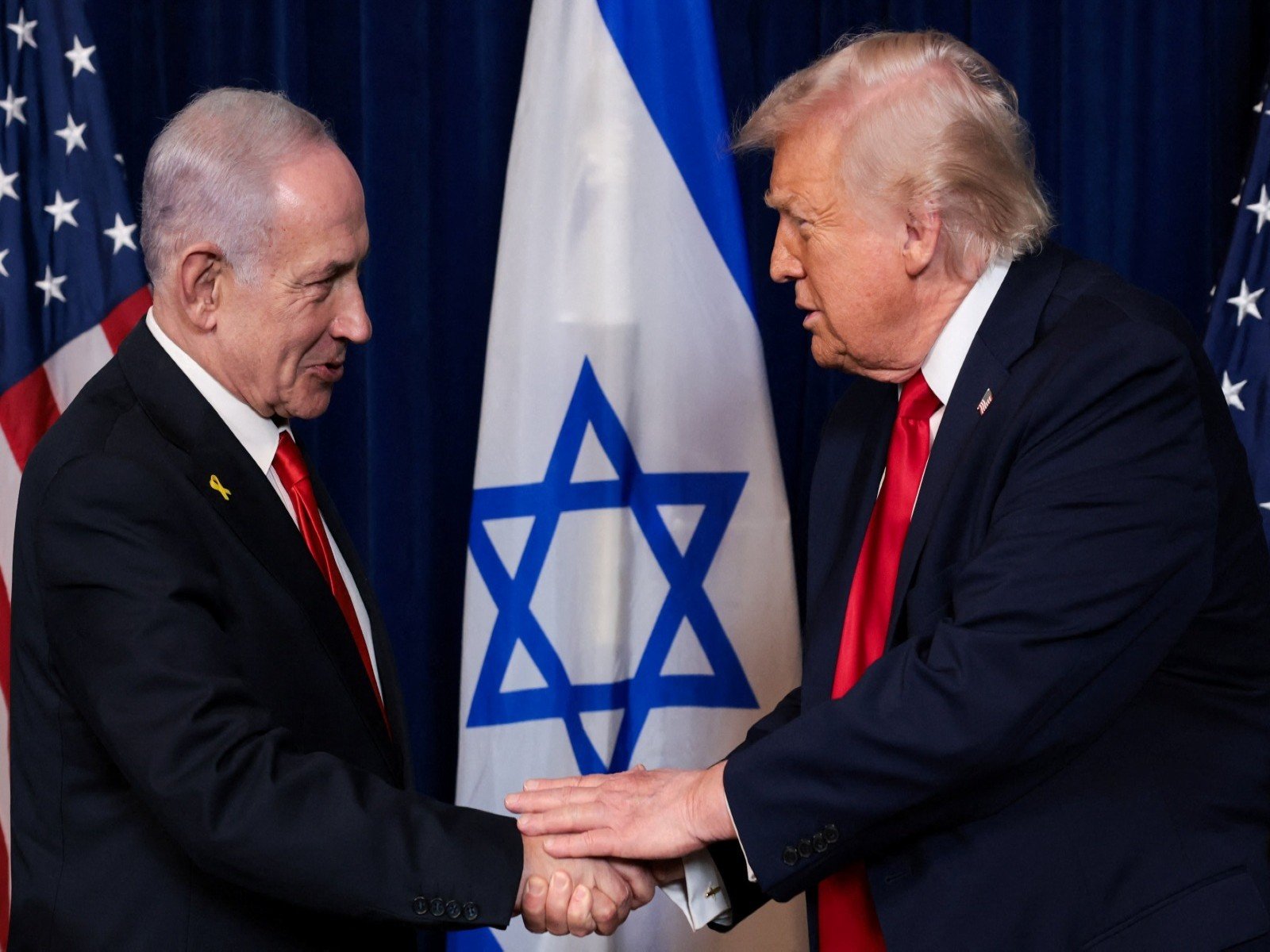
South Pars Attack Raises Questions Over US Role in Israel’s Operation
Washington DC, March 19: A new report has raised serious questions about the United States’ involvement in the recent strike on Iran’s South Pars gas field. According to Axios, the attack was coordinated between Israel and the US, contradicting earlier statements by Donald Trump.
Axios Report Claims Prior Coordination
The Axios report, citing Israeli officials, stated that Prime Minister Benjamin Netanyahu and Donald Trump discussed the strike in advance.
The report claimed that the Israeli Air Force carried out the attack with approval from the White House. The target was the South Pars gas field, a key energy facility in Iran.
The objective was to deter Iran from disrupting oil supplies through the Strait of Hormuz.
Trump Earlier Denied Knowledge
Earlier, Donald Trump publicly denied any US involvement. He said that Israel acted independently and out of anger.
He also stated that the US and Qatar had no prior knowledge of the strike. Trump warned that strong action would follow if Qatar’s energy facilities were targeted again.
Qatar Officials Sought Clarification
After the initial strike, Qatari officials reportedly contacted US authorities. They reached out to senior officials, including envoy Steve Witkoff and CENTCOM commanders.
According to sources, urgent discussions took place to clarify whether Washington had prior knowledge of the Israeli operation.
Efforts were also made to arrange a direct call between Trump and the Emir of Qatar.
Iran Retaliates with LNG Facility Attack
In response to the South Pars strike, Iran launched attacks on LNG facilities in Qatar. Targets included the Ras Laffan Industrial City, a major energy hub.
Iran’s Islamic Revolutionary Guard Corps warned that any repeat attack on its energy infrastructure would lead to severe consequences.
Rising Tensions in Middle East
The situation has significantly escalated tensions across the region. Energy infrastructure has now become a central target in the conflict.
Analysts believe continued escalation could disrupt global oil and gas supplies. This may also impact international markets and economic stability.
About The Author