
 admin
admin 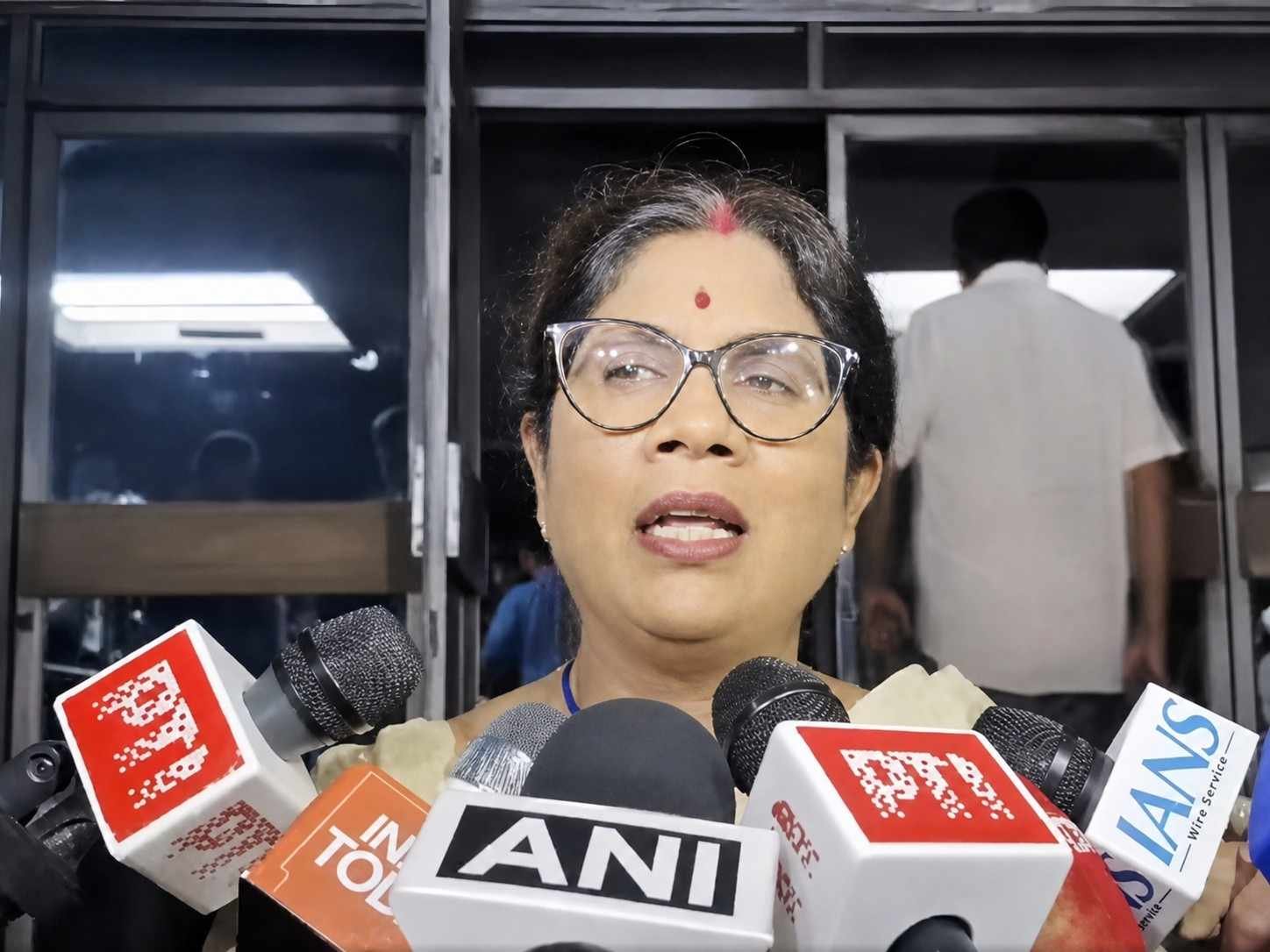
Kolkata, West Bengal | May 2, 2026
West Bengal’s high-voltage political atmosphere intensified on Saturday as fresh allegations emerged from the ruling party regarding the circumstances that led to re-polling in parts of the state. Senior leader and state minister Shashi Panja accused the Bharatiya Janata Party (BJP) of deliberately instigating disturbances during polling with the intention of forcing re-polling and tarnishing the image of the state.
Her remarks come at a time when re-polling is being conducted across select booths in South 24 Parganas, following complaints of irregularities during the second phase of voting.
Re-Polling in South 24 Parganas: Background and Context
The Election Commission of India ordered re-polling in a total of 15 booths across the South 24 Parganas district. This includes 11 booths in Magrahat Paschim Assembly constituency and 4 booths in the Diamond Harbour constituency.
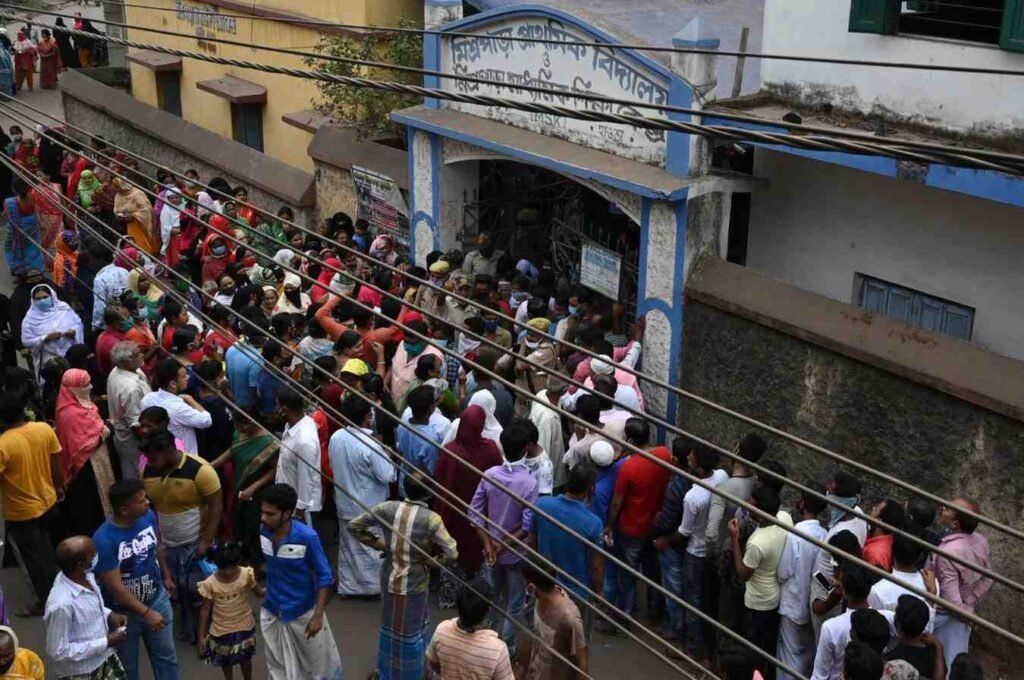
The decision followed reports of technical disruptions and alleged irregularities, including concerns over the Electronic Voting Machine (EVM) functioning and voter access issues. Authorities responded with tighter security arrangements and enhanced monitoring to ensure a fair re-polling process.
TMC’s Allegations: Political Strategy or Ground Reality?
According to Shashi Panja, the incidents that led to re-polling were not accidental but part of a calculated political strategy. She claimed that BJP workers attempted to provoke unrest during both phases of polling to create conditions that would necessitate re-polling in multiple booths.
Panja argued that such actions were aimed at influencing the electoral narrative and creating doubts about the integrity of the state’s election process. She further stated that despite these alleged provocations, her party chose not to retaliate, thereby avoiding escalation on the ground.
Her comments reflect a broader narrative from the All India Trinamool Congress (TMC), which has consistently accused the opposition of attempting to manipulate perceptions around electoral fairness.
Read Also: West Bengal Election 2026: Re-Polling in Diamond Harbour Draws
BJP’s Counter-Narrative and Political Clash
The BJP has strongly rejected these allegations and instead accused the TMC of trying to shift focus from governance issues and anti-incumbency. The party maintains that re-polling was necessary due to genuine concerns raised by voters and party workers.
In the Shyampukur constituency, BJP candidate Purnima Chakraborty launched a sharp attack on the TMC leadership, claiming that the ruling party is facing growing public dissatisfaction. She expressed confidence that voters would deliver a decisive verdict in favor of change.
This sharp exchange of accusations highlights the intense political rivalry between the two major parties, especially in crucial constituencies where electoral margins are expected to be narrow.
Legal Developments: Supreme Court Steps In
The election process has also seen significant legal developments. The Supreme Court of India recently constituted a special bench to hear a petition filed by the TMC.
The petition challenges a prior decision of the Calcutta High Court, which had allowed only Central government and Public Sector Undertaking (PSU) employees to act as supervisors during vote counting.
TMC leaders argue that this restriction could impact transparency and inclusiveness in the counting process, while authorities maintain that such measures are necessary to ensure neutrality.
Electoral Stakes in Key Constituencies
The Shyampukur seat has emerged as a key battleground in this election cycle. Shashi Panja is contesting from this constituency, facing a strong challenge from BJP candidate Purnima Chakraborty.
Meanwhile, constituencies like Diamond Harbour and Magrahat Paschim continue to attract attention due to their strategic importance in South 24 Parganas. Historically, these areas have witnessed competitive electoral battles, often reflecting larger state-level political trends.
Security and Voter Turnout: A Crucial Balance
Authorities have deployed extensive security forces across re-polling booths to ensure that voters can exercise their democratic rights without fear or disruption. The presence of central forces and local police has contributed to maintaining order during the process.
Interestingly, the overall voter turnout in the final phase of the West Bengal Assembly elections reached an impressive 92.67 percent, indicating strong public participation despite political tensions.
This high turnout reflects the deep engagement of voters in the democratic process and underscores the significance of these elections in shaping the state’s future.
EVM Concerns and Electoral Transparency
One of the key triggers for re-polling was the allegation of EVM tampering or malfunction in certain booths. While election authorities have not confirmed widespread tampering, they acknowledged the need for corrective measures in specific locations.
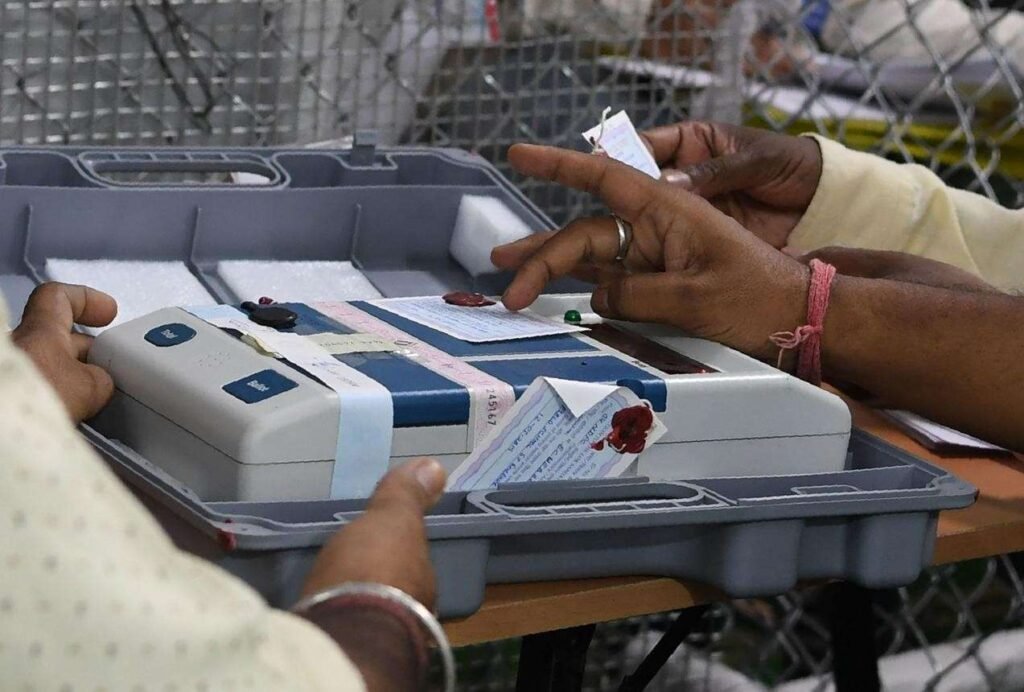
Ensuring the credibility of EVMs remains a critical aspect of maintaining trust in the electoral system. By ordering re-polling, the Election Commission aimed to address concerns and reinforce confidence among voters.
Counting Day: The Final Verdict Awaits
With re-polling underway and all phases of voting completed, attention now shifts to the counting of votes scheduled for May 4. Political parties are closely monitoring developments, as even minor shifts in voter sentiment could influence the final outcome.
The results will not only determine the fate of individual candidates but also provide insight into the broader political direction of West Bengal.
A Test of Democratic Resilience
The ongoing developments in West Bengal highlight the complexities of conducting elections in a highly competitive political environment. Allegations, counter-allegations, legal battles, and administrative interventions all form part of this dynamic process.
While political narratives may differ, the ultimate focus remains on ensuring that elections are conducted fairly and transparently. The role of institutions like the Election Commission and the judiciary becomes crucial in maintaining this balance.
As the state awaits the final results, the events surrounding re-polling serve as a reminder of both the challenges and strengths of India’s democratic framework—where accountability, participation, and institutional oversight continue to play defining roles.
Read the full TMC Alleges BJP Strategy Behind Re-Poll
About The Author