
 admin
admin 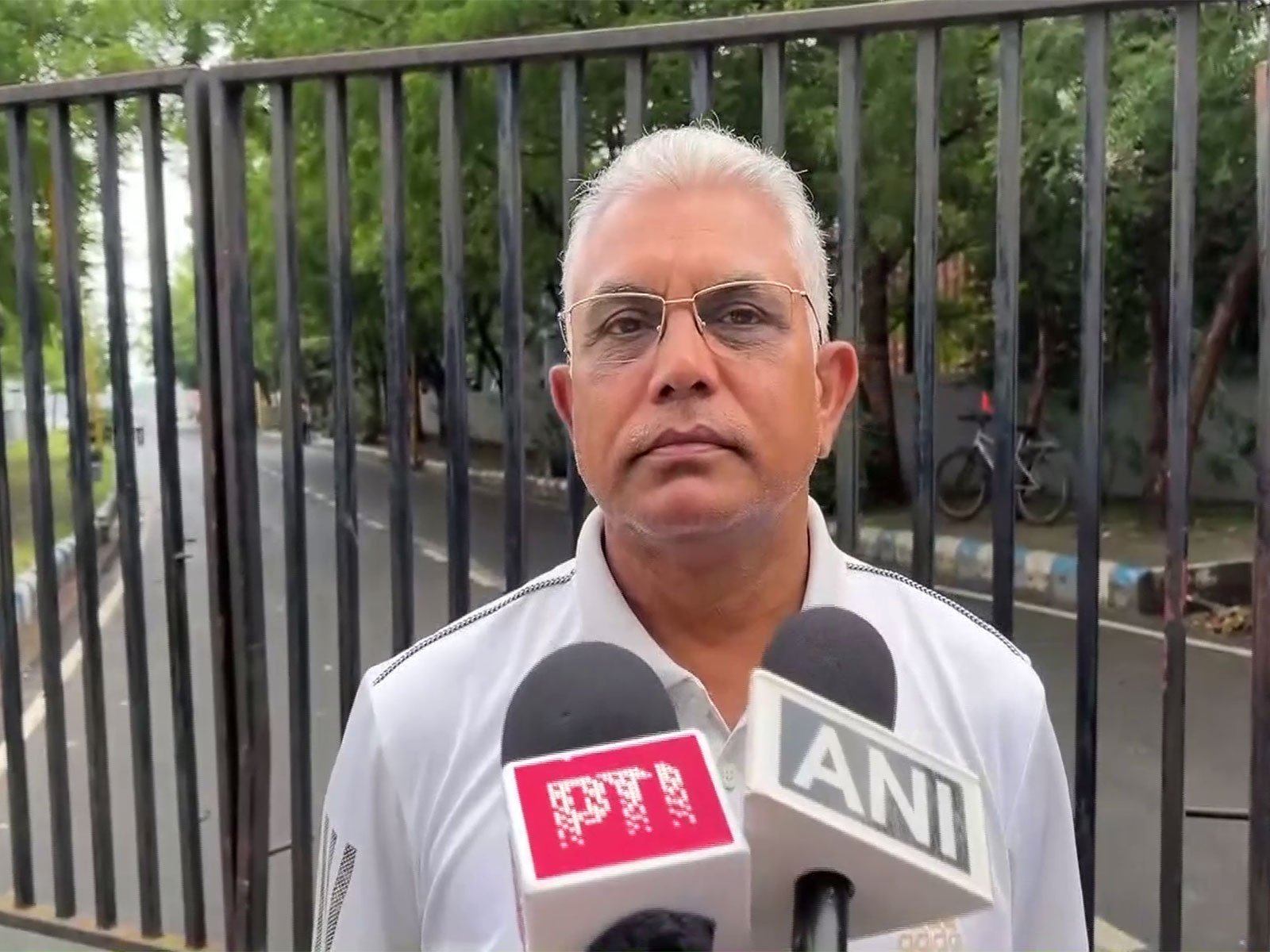
Kolkata, May 1, 2026: A record-breaking voter turnout in West Bengal’s ongoing elections has intensified political discourse, with Dilip Ghosh of the Bharatiya Janata Party (BJP) claiming that the surge in participation reflects a major political shift in the state. He further alleged that the ruling Trinamool Congress (TMC) is now on the defensive amid rising electoral pressure.
High Voter Turnout Indicates Changing Political Landscape
West Bengal has recorded one of its highest voter turnouts since independence, with Phase II polling reaching an impressive 91.66%, according to the Election Commission of India (ECI). When combined with Phase I’s turnout of 93.19%, the overall participation across two phases stands at a remarkable 92.47%.
This unprecedented level of voter engagement surpasses the previous record of 84.72% during the 2011 West Bengal Assembly elections, signaling a heightened political awareness and mobilization among citizens.
Political analysts suggest that such high turnout often reflects a desire for change or strong public sentiment regarding governance. According to Ghosh, the numbers indicate that voters are actively seeking an alternative to the current administration.
Dilip Ghosh’s Statement: TMC Under Pressure
Speaking to reporters in Kolkata, Dilip Ghosh dismissed allegations made by the TMC regarding vote rigging. He asserted that such claims are a reflection of the ruling party’s insecurity.
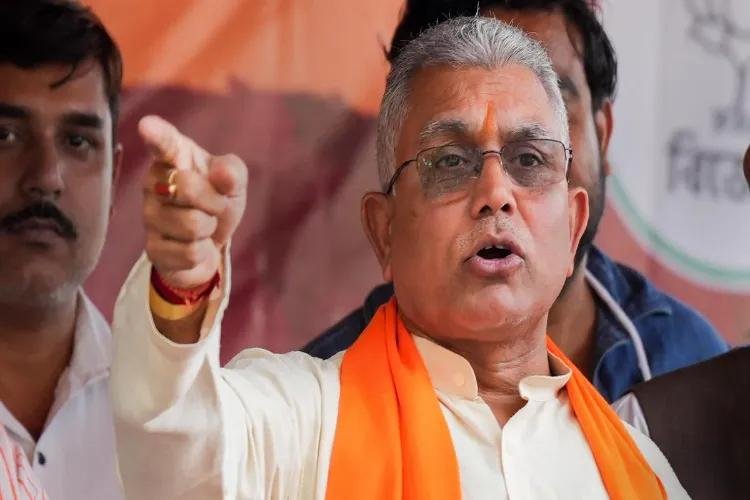
“Earlier, we were on the back foot, and they were in power. There used to be large-scale false voting. But now that is over. The massive turnout shows people want change,” Ghosh stated.
He further accused the TMC of targeting key democratic institutions, including the Election Commission, central security forces, and the Border Security Force (BSF), suggesting that these actions stem from the party’s weakening grip on power.
TMC’s Allegations and Rising Political Tensions
The elections in West Bengal have not been without controversy. The TMC has raised concerns over the role and deployment of central forces, alleging bias and intimidation in several constituencies.
Chief Minister Mamata Banerjee has been vocal about safeguarding the electoral process and has questioned the functioning of institutions involved in conducting the polls.
In response, BJP leaders have countered these claims, stating that the presence of central forces ensures free and fair elections, especially in regions with a history of electoral violence.
This ongoing exchange of accusations highlights the deep political divide in the state and underscores the high stakes involved in the elections.
Record Female Participation Reflects Inclusive Engagement
One of the most striking aspects of the election has been the high participation of women voters. According to the ECI, female voter turnout stood at 92.28%, surpassing male turnout of 91.07%.
This trend indicates increasing political awareness and empowerment among women in West Bengal. Experts believe that women voters could play a decisive role in shaping the final electoral outcome.
The high turnout across genders also reflects a robust democratic process, where citizens from all walks of life are actively participating.
Role of the Election Commission and Transparency Measures
The Election Commission of India has taken several measures to ensure transparency and fairness in the electoral process. One of the key initiatives has been 100% live webcasting of polling stations, allowing real-time monitoring.
Chief Election Commissioner Gyanesh Kumar, along with Election Commissioners Sukhbir Singh Sandhu and Vivek Joshi, closely supervised the polling process.
These measures have been crucial in maintaining the credibility of the elections, especially amid allegations from political parties.
Security Forces and Poll Management
The deployment of central security forces, including the BSF, has been a major point of contention. While the BJP has supported their presence as necessary for maintaining law and order, the TMC has raised concerns about their conduct.
Despite these disagreements, the large voter turnout suggests that citizens felt confident enough to participate in the electoral process.
Security arrangements, combined with technological interventions like webcasting, have contributed to a smoother polling experience in many areas.
What This Means for West Bengal Politics
The high voter turnout could have significant implications for the political future of West Bengal. Historically, such strong participation has often indicated a wave of change or consolidation of power.
If Ghosh’s claims hold true, the BJP could see improved performance in the state. However, the TMC remains a formidable force with a strong grassroots presence.
Political observers caution against drawing conclusions solely based on turnout, noting that high participation can also benefit incumbent parties depending on voter sentiment.
A Defining Moment for Democracy in West Bengal
The ongoing elections in West Bengal represent a crucial moment in the state’s political journey. With record-breaking voter turnout, heightened political tensions, and strong participation across demographics, the outcome is expected to be closely contested.
While the BJP sees the surge in voting as a sign of change, the TMC continues to defend its position and question the electoral process. Ultimately, the final results will determine whether West Bengal is indeed witnessing a political shift or reinforcing its existing leadership.
About The Author